
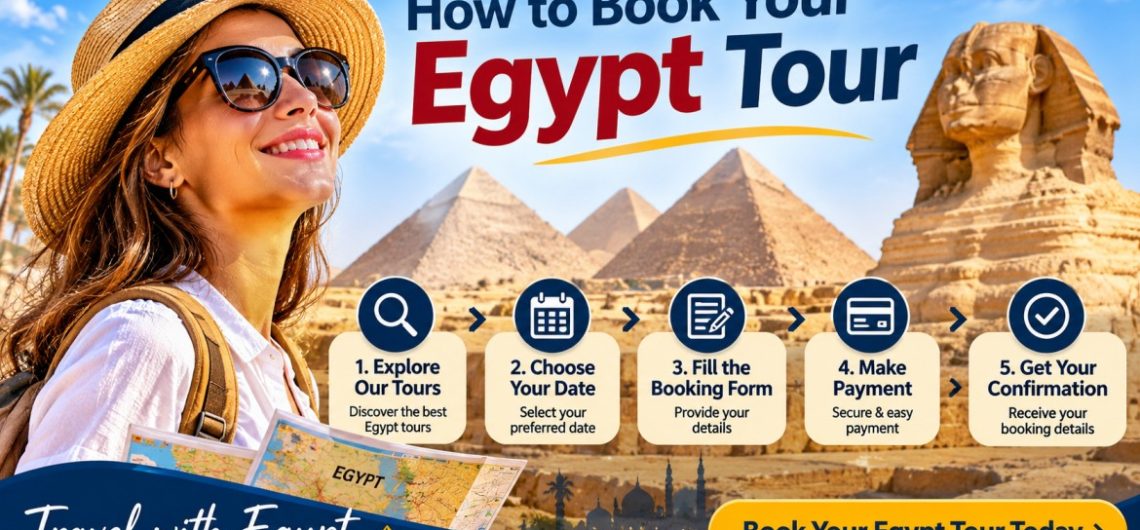
Learning how to book your Egypt tour is one of the most important steps in planning a successful journey to Egypt. The country is vast, historically rich, geographically spread out, and full of experiences that require more than a simple hotel reservation. From the Giza Pyramids Complex and the Grand Egyptian Museum to the temples of Luxor, the Nile-side beauty of Aswan, the wonders of Abu Simbel, and the beaches of the Red Sea, Egypt rewards travelers who plan with clarity, patience, and realistic expectations.
Many visitors arrive with excitement but leave feeling rushed, confused, or disappointed because they booked the wrong season, chose an overloaded itinerary, selected a poor guide, underestimated travel distances, or failed to confirm what was included in their tour. Egypt is not a difficult destination, but it is a destination where details matter. The right flight schedule can save a full day. The right hotel location can reduce traffic stress. The right guide can transform ancient stones into living history. The right pacing can turn exhaustion into wonder.
This guide is written for first-time visitors, returning travelers, families, couples, solo adventurers, honeymooners, luxury travelers, budget explorers, history lovers, beach seekers, Nile cruise passengers, and anyone who wants to understand exactly how to book an Egypt tour with confidence. Whether you are searching for “book Egypt tour,” “Egypt travel planning,” “how to plan a trip to Egypt,” “best way to book Egypt vacation,” “private Egypt tours,” “Egypt itinerary help,” or “Egypt tour package guide,” this article will walk you through every major decision from initial inspiration to final confirmation.
The goal is not to make Egypt seem complicated. The goal is to make it manageable. When you understand how to choose your travel dates, define your style, select the right route, book flights and hotels wisely, hire a qualified guide, and avoid common mistakes, your Egypt tour becomes smoother, more comfortable, and far more memorable.
Booking an Egypt tour is not just about choosing a package. It is about designing a rhythm: the right season, the right pace, the right guide, the right hotels, and the right balance between ancient wonder and personal comfort.
Quick Answer: How Do You Book an Egypt Tour?
To book your Egypt tour, start by choosing your travel season, trip length, budget, and travel style. Then decide whether you want a private tour, group tour, packaged holiday, Nile cruise, beach extension, or independent itinerary. Next, build a realistic route connecting Cairo, Luxor, Aswan, Abu Simbel, and the Red Sea. Book international and domestic flights early, select hotels based on location and comfort, hire a licensed guide for major historical sites, confirm entry tickets and transfers, and review cancellation policies before payment. The best Egypt tours are planned with enough detail to reduce stress but enough flexibility to allow enjoyment, rest, and spontaneous wonder.
Why Booking an Egypt Tour Requires More Planning Than a Typical Vacation
Egypt is not a city break. It is not a single-island beach holiday. It is not a compact European capital where you can walk everywhere. Egypt is a large country with major attractions separated by hundreds of kilometers. Cairo to Luxor is a domestic flight or long train journey. Luxor to Aswan can be covered by plane, train, cruise ship, or private car. Aswan to Abu Simbel usually requires an early morning flight or organized road convoy. The Red Sea coast adds another travel dimension with resorts spread along long stretches of highway.
This geography means that booking an Egypt tour is really about logistics. You are not only choosing where to sleep. You are choosing how to move, when to arrive, how to avoid fatigue, which sites deserve morning light, which museums can provide afternoon refuge, and where to build rest into the journey. A poorly planned Egypt trip can feel like a series of transfers, queues, and rushed photo stops. A well-planned Egypt trip feels like a flowing historical adventure with comfort, clarity, and time to absorb the magnificence.
Another reason Egypt requires planning is the quality of guiding. The pyramids, temples, and tombs are visually stunning, but their meaning is layered. Hieroglyphs, reliefs, royal iconography, religious symbolism, architectural evolution, and historical context are not always obvious from surface viewing. A knowledgeable guide can make the difference between “old stones” and a vivid encounter with one of humanity’s greatest civilizations. For travelers interested in figures such as Hatshepsut, Queen Nefertiti, Queen Nefertari, or King Khufu, the guide is not optional in spirit. They are the bridge between curiosity and understanding.
Finally, Egypt has seasonal intensity. The difference between a comfortable October morning in Luxor and a blazing July afternoon can completely alter the experience. Peak holiday periods such as Christmas, New Year, Easter, and school breaks bring festive energy but also crowds and higher prices. Booking at the right time, with the right expectations, is one of the most important parts of planning your Egypt tour.
Step 1: Define What Kind of Egypt Traveler You Are
Before comparing tours, hotels, or cruise ships, ask yourself what kind of Egypt trip you actually want. This sounds simple, but it is one of the most overlooked steps. Many travelers book a tour because it looks impressive online, only to discover that the pace, style, or included experiences do not match their personality.
Are you a history lover who wants deep temple explanations and time in museums? Are you a first-time visitor who wants the famous highlights without confusion? Are you a family needing pools, short days, child-friendly storytelling, and comfortable transfers? Are you a couple seeking romance, private dinners, Nile sunsets, and luxury comfort? Are you a solo traveler who values flexibility, safety, and social interaction? Are you a beach lover who wants culture but refuses to sacrifice relaxation? Are you a photographer chasing light, crowds, landscapes, and architectural detail?
Your answers shape the entire booking process. A history-focused traveler may prefer a private guide, extra time at Karnak Temple, and a slower Luxor itinerary. A family may prefer a Nile cruise with included meals, kid-friendly hotels, and a Red Sea finish. A honeymoon couple may choose a luxury cruise suite, private felucca sunset, and Red Sea villa. A budget traveler may skip the cruise and use trains, shared tours, and simpler hotels.
The mistake is trying to book a tour before defining your travel identity. Egypt can be experienced in many ways, but not every way is right for every person. The best tour is not the one with the most monuments. It is the one that matches your energy, interests, comfort level, and reason for travel.
Step 2: Choose the Right Time of Year Before Choosing the Tour
The season you choose affects prices, crowds, weather, flight availability, hotel comfort, and even your emotional experience. Egypt’s most popular sightseeing months are from October to April, when temperatures are milder and temple visits are more pleasant. However, this is also the busiest period, especially around Christmas, New Year, Easter, and school holidays.
If you want comfortable weather for pyramids, temples, tombs, and Nile cruising, aim for November, February, or March. These months often provide a strong balance of good conditions and manageable crowds. December and January are excellent for sightseeing but can be expensive and busy, especially during holiday weeks. October is warm but increasingly pleasant. April can still be good, though heat begins to rise in southern Egypt.
Summer travel from June to August is possible but requires a different strategy. Luxor and Aswan can be very hot, so itineraries should begin early, include long midday breaks, and prioritize air-conditioned transport, museums, pools, and evening activities. The Red Sea remains popular in summer because resorts, beaches, diving, and water sports are still enjoyable, though heat and humidity can be higher.
When booking, do not ask only “When can I travel?” Ask “What kind of experience do I want?” If you hate crowds, avoid peak holiday weeks. If you want festive atmosphere, Christmas and New Year can be magical in hotels, cruises, and resorts. If you want value, consider late January, February, September, or early December. If you are traveling with children during school holidays, book much earlier than you think necessary.
For deeper seasonal guidance, see our guide to the best time of year to visit Egypt and our article on climate and weather in Egypt.
Step 3: Decide How Many Days You Really Need
One of the most common booking mistakes is choosing a trip length based on vacation availability alone, without considering travel fatigue. Egypt can be physically engaging. You may wake early, walk on uneven ground, pass through security checks, sit in traffic, adjust to heat, navigate airports, and absorb large amounts of historical information. More days do not always mean more sightseeing. Sometimes they mean more comfort.
A three-day Egypt trip can work if you focus only on Cairo and Giza. You can visit the pyramids, Sphinx, Grand Egyptian Museum or Egyptian Museum, Islamic Cairo, Coptic Cairo, and perhaps Saqqara. But it will be intense and should not include Luxor unless you are willing to sacrifice depth for speed.
A five-day trip allows Cairo and Luxor. This is a good introduction for travelers who want pyramids and temples but do not have time for a full Nile cruise. You can fly from Cairo to Luxor, spend two days exploring east and west bank sites, then return to Cairo or continue to the Red Sea.
A seven-day trip is one of the most popular choices. It allows Cairo, Luxor, Aswan, and optionally Abu Simbel or a short Nile cruise. This is enough time to feel like you have experienced classic Egypt without rushing every hour. For a structured plan, see our 7 days in Egypt itinerary.
A ten-day trip is ideal for first-time visitors who want culture, Nile travel, and relaxation. You can combine Cairo, Luxor, Aswan, Abu Simbel, and a Red Sea extension. This route reduces pressure and allows rest days. For planning ideas, see our 10 day Egypt itinerary.
If you have two weeks or more, you can explore deeper: Alexandria, Siwa, Dahshur, Saqqara, Memphis, Abydos, Dendera, Edfu, Kom Ombo, Nubian villages, diving trips, or slower museum-focused travel. Egypt rewards travelers who stay longer, not because there are only more monuments, but because they can experience the country with less stress and more attention.
Step 4: Choose Between a Private Tour, Group Tour, Package Holiday, or Independent Trip
There is no single best way to book an Egypt tour. The right choice depends on your personality, budget, confidence level, travel companions, and interest in logistics.
Private Egypt Tours
Private tours are ideal for travelers who want flexibility, comfort, personalized pacing, and direct guide attention. A private Egypt tour usually includes a dedicated guide and driver, custom itinerary, hotel selection, domestic flights or transfers, and entry tickets. You can start early, pause for photos, ask detailed questions, change restaurant choices, and adapt to energy levels.
Private tours are especially recommended for families, older travelers, honeymooners, luxury travelers, history enthusiasts, photographers, and first-time visitors who want clarity without confusion. They are usually more expensive than group tours, but they can offer better value because they reduce wasted time and stress.
Group Egypt Tours
Group tours are social, structured, and often more affordable. They can be excellent for solo travelers who want companionship, budget-conscious visitors, and travelers who prefer fixed schedules. However, group tours move at the pace of the group, not the pace of the individual. You may have less freedom, fixed meal times, shared transport, and limited ability to linger at one site.
When booking a group tour, check group size, guide quality, hotel standards, included meals, internal flights, and whether excursions are truly included or optional extras. A small group with a strong guide can be wonderful. A large group with weak logistics can feel exhausting.
Package Holidays
Package holidays combine flights, hotels, transfers, and sometimes tours. They are convenient and can offer good value, especially for beach-plus-culture combinations. A typical package might include Cairo, Luxor, a Nile cruise, and Hurghada. The advantage is simplicity. The disadvantage is less flexibility.
Before booking a package, read the fine print. Check whether domestic flights are included, whether guides are licensed, whether entry tickets are covered, whether meals are included, and whether optional excursions are expensive add-ons. A cheap package can become costly once extras are added.
Independent Travel
Independent travel is possible in Egypt, especially for confident travelers who enjoy planning. You can book hotels, domestic flights, trains, guided day tours, and transfers separately. This approach offers freedom and potential savings, but it requires more research, flexibility, and problem-solving.
Independent travelers should still use licensed guides for major historical sites. Navigating airports, train stations, traffic, ticket offices, and site entrances can be manageable, but understanding Egypt’s monuments deeply is much easier with expert guidance.
Step 5: Build a Realistic Egypt Itinerary
Once you know your travel style, season, duration, and booking format, it is time to build the route. A realistic Egypt itinerary is not a list of every famous site. It is a logical movement plan that considers distance, energy, flight times, opening hours, heat, crowds, and rest.
Classic First-Time Route
For most first-time visitors, the classic route is Cairo, Luxor, Aswan, and optionally the Red Sea. This combination covers pyramids, museums, temples, tombs, Nile scenery, and relaxation. A simple version is:
- Cairo for two or three nights: Giza Pyramids, Sphinx, Egyptian Museum or Grand Egyptian Museum, Islamic Cairo, Coptic Cairo, Khan el-Khalili, and the Citadel.
- Luxor for two or three nights: Karnak Temple, Luxor Temple, Valley of the Kings, Hatshepsut Temple, Medinet Habu, Colossi of Memnon, and Luxor Museum.
- Aswan for one or two nights: Philae Temple, High Dam, Unfinished Obelisk, Elephantine Island, Nubian villages, felucca rides, and Nile relaxation.
- Optional Abu Simbel: early morning flight from Aswan.
- Optional Red Sea extension: Hurghada, Sharm El Sheikh, Marsa Alam, or El Gouna.
Nile Cruise Route
A Nile cruise usually travels between Luxor and Aswan, stopping at Edfu and Kom Ombo. It can be three or four nights, depending on the ship schedule. This route is comfortable because you unpack once and visit temples along the way. It is especially good for couples, families, older travelers, and first-time visitors who want structure.
When booking a cruise, confirm embarkation and disembarkation cities, cabin category, included excursions, meal plan, drink package, holiday supplements, and transfer arrangements. Also check whether the cruise includes Luxor west bank sites or only east bank temples. Some itineraries are stronger than others.
Culture Plus Beach Route
This is one of the smartest ways to experience Egypt. You begin with cultural intensity in Cairo and Luxor, then soften the journey with Red Sea relaxation. It works especially well for families, honeymooners, and travelers who want history but do not want to spend the entire trip walking through archaeological sites.
A strong example is Cairo for two nights, Luxor for two nights, Aswan for one night, then Hurghada or El Gouna for three nights. This creates a balanced arc: wonder, learning, scenery, rest, sea, and sun.
Deep History Route
For returning travelers or serious history lovers, a deeper route can include Saqqara, Dahshur, Memphis, Abydos, Dendera, Amarna, Nubian sites, and museum study. This itinerary is less about checking famous boxes and more about understanding Egyptian civilization across dynasties.
If you are interested in ancient symbols, royal women, solar theology, funerary belief, or architectural evolution, a deep history route can be incredibly rewarding. Related guides such as Symbols of Ancient Egypt, Egyptian Gods Family Tree, and Eye of Ra Symbol Meaning can help you prepare.
Step 6: Book Flights Early, but Choose Smart Connections
Flights can make or break an Egypt tour. International flights determine your arrival and departure dates, while domestic flights determine how efficiently you move between regions. During peak season, poor flight planning can waste entire days.
For most travelers, flying into Cairo is the simplest option. Cairo has the widest international access and connects easily to Luxor, Aswan, Hurghada, Sharm El Sheikh, and other domestic destinations. However, open-jaw tickets can be smarter. For example, you might fly into Cairo and out of Hurghada, or into Luxor and out of Aswan. This reduces backtracking and saves time.
Domestic flights between Cairo, Luxor, Aswan, Abu Simbel, and Red Sea cities are often the most comfortable way to travel. They save hours compared with road journeys and reduce fatigue. But they must be booked carefully. Morning flights to Abu Simbel are especially popular and can fill quickly. Cruise embarkation days may require specific arrival timings. Connecting international flights to domestic flights should include enough buffer for immigration, baggage claim, terminal changes, and unexpected delays.
When booking flights, consider the human side of travel. A late-night arrival followed by an early pyramid visit is rarely pleasant. A tight connection through Cairo can become stressful with children or luggage. A slightly more expensive flight schedule may be worth it if it gives you rest, comfort, and a smoother first day.
For airport planning, see our guide to airports in Egypt.
Step 7: Choose Hotels Based on Location, Not Just Star Rating
Hotel selection in Egypt should be strategic. A beautiful hotel in the wrong location can create daily frustration. A modest hotel in the right place can improve the entire trip. Star ratings matter, but location, transfer time, noise level, breakfast quality, pool access, room configuration, and guest reviews often matter more.
Cairo Hotels
In Cairo, choose based on your first and last day plans. If the pyramids are your priority, a Giza hotel can save time. If museums and historic Cairo are more important, downtown or Tahrir-area hotels may be better. If you want a quieter atmosphere, Zamalek or Maadi can be pleasant. If you value Nile views and evening comfort, riverside hotels are attractive.
Cairo traffic is unpredictable. A hotel that seems close on a map may still require long travel during rush hour. When booking, ask your tour operator or hotel about realistic transfer times from the airport, pyramids, museums, and dinner areas.
Luxor Hotels
Luxor hotels are divided mainly between the East Bank and West Bank. East Bank hotels are closer to Karnak, Luxor Temple, restaurants, shops, and the city. West Bank hotels are quieter, often set in gardens, and closer to the Valley of the Kings, Hatshepsut Temple, Medinet Habu, and the Colossi of Memnon.
If you love sunrise, palm-lined calm, and a more rural atmosphere, the West Bank can be wonderful. If you prefer walkability, evening dining, and easier access to east bank temples, stay on the East Bank. Families and older travelers should consider transfer distance and road conditions when choosing.
Aswan Hotels
Aswan is one of Egypt’s most scenic cities. Nile-view hotels, island properties, and riverside resorts create a relaxed atmosphere. Some hotels are close to the city center and felucca docks, while others are farther south near Philae or on Elephantine Island.
If you want easy access to the city, museums, boats, and restaurants, choose a central Nile-front hotel. If you want calm and scenery, an island or southern resort may be better. Aswan is not as hectic as Cairo or Luxor, but location still affects convenience.
Red Sea Resorts
Red Sea hotel choice depends on the type of beach holiday you want. Hurghada is convenient and family-friendly. Sharm El Sheikh is strong for diving, reefs, and international leisure travel. Marsa Alam is quieter and more remote. El Gouna is polished, planned, and resort-town oriented.
Always check transfer distance. Some resorts are close to the airport, while others are far along the coast. Also check beach type: sandy entry, rocky entry, house reef, lagoon, pool access, kids club, dining options, and review patterns. All-inclusive packages can be excellent for families, but read what is actually included.
Step 8: Hire the Right Guide, Because This Is Where Egypt Comes Alive
If there is one part of booking an Egypt tour that should not be treated casually, it is the guide. Egypt’s monuments are not self-explanatory. A temple wall can look like carved decoration until a guide explains the meaning of a king’s name, a goddess’s gesture, a funerary spell, a solar symbol, or a royal cartouche. A good guide does not simply recite facts. They curate attention.
When choosing a guide, consider experience, language, specialization, pacing, and personality. Some guides are excellent with children. Some are strong in art history. Some specialize in religious symbolism. Some are brilliant at storytelling. Some are more academic. The best guide is not universally best; the best guide is best for you.
Before booking, ask whether the guide is licensed, how many years they have worked, what languages they speak, whether they can adapt to your interests, and whether they are available for your full itinerary or only for certain days. If you are interested in Hatshepsut, Nefertiti, Nefertari, Ramesses II, Tutankhamun, pyramid construction, or ancient symbols, mention this in advance. A strong guide can tailor the experience.
During peak season, excellent guides are booked early. If you wait until the last minute, you may still receive a guide, but you may not receive the right guide. For private tours, this is especially important. For group tours, ask about guide reputation and group size.
Step 9: Confirm Entry Tickets, Special Tombs, and Site Access
Many travelers assume that a tour price includes everything. In Egypt, this is not always true. General entry tickets may cover basic access to a site, but special tombs, museum sections, photography permits, boat access, and certain areas may require additional tickets.
In the Valley of the Kings, for example, the standard ticket may include a limited number of tombs, while famous tombs such as those of Ramesses VI, Seti I, or Tutankhamun may require separate tickets depending on current rules. Tomb availability can also change due to conservation, humidity, crowd control, or maintenance.
At the Giza Plateau, entering a pyramid may require a special ticket. Access rules can vary by pyramid, season, and conservation policy. At museums, some halls or special exhibitions may have separate entry. At temples, general access is usually straightforward, but certain areas may be restricted.
When booking, ask exactly what is included. Request a written list of entry tickets, special tombs, museum access, boat trips, photography rules, and optional extras. This prevents surprises and helps you budget accurately.
Step 10: Arrange Transfers Before You Arrive
Airport transfers, hotel transfers, site transfers, and intercity transport are some of the most underestimated parts of an Egypt tour. A smooth arrival can set the tone for the whole trip. A confusing transfer can create stress before you even see the pyramids.
Private transfers are usually the most comfortable option, especially for families, older travelers, late arrivals, first-time visitors, and anyone with luggage. A pre-arranged driver meets you outside arrivals, helps with bags, and takes you directly to your hotel. This reduces negotiation, confusion, and exposure to unofficial offers.
Taxis and ride-hailing options may be available, but prices, vehicle quality, and pickup rules can vary. Shared minibuses can be cheaper but slower and less comfortable. For major movements such as Cairo to Giza, airport to hotel, Luxor airport to West Bank, or Aswan to Philae dock, private transfer is often worth the cost.
When booking transfers, confirm meeting point, driver name, vehicle type, luggage capacity, waiting time, flight tracking, and contact number. If you are traveling during Christmas, New Year, Easter, or high season, arrange transfers well in advance.
Step 11: Decide Whether to Include a Nile Cruise
A Nile cruise is one of the most iconic ways to travel between Luxor and Aswan, but it is not automatically the best choice for every traveler. It offers comfort, included meals, guided excursions, scenic river travel, and a romantic rhythm. It can be especially appealing for couples, families, older travelers, and first-time visitors who want structure.
However, cruises are fixed. You travel on the ship’s schedule, eat at set times, join organized excursions, and share the experience with other passengers. If you prefer independence, slow museum days, or highly customized timing, you may prefer hotels and domestic flights instead.
If you choose a cruise, book early. Cabins, deck categories, family cabins, suites, and holiday departures sell out quickly. Compare ships carefully. A five-star cruise label does not always guarantee the same experience across operators. Look at cabin size, deck space, dining reviews, excursion quality, guide reputation, transfer inclusion, and current condition.
For planning details, see our Nile cruise itinerary guide.
Step 12: Add a Red Sea Extension Only If It Fits Your Energy
A Red Sea extension can be the perfect ending to an Egypt tour. After days of pyramids, temples, tombs, museums, and early starts, many travelers welcome beach time, hotel pools, snorkeling, diving, spa treatments, and relaxed dining. It can turn a culturally intense trip into a balanced holiday.
But do not add the Red Sea simply because it looks good in an itinerary. Consider your energy. If you are traveling with young children, older relatives, or heat-sensitive companions, a beach finish can be wise. If you are a deep history lover who wants more time in Luxor, Aswan, Saqqara, or museums, adding beach days may reduce the time you actually want.
When choosing a Red Sea destination, match it to your style. Hurghada is convenient and family-friendly. Sharm El Sheikh is strong for diving and international leisure. Marsa Alam is quieter and more remote. El Gouna is polished and resort-town oriented. Each has different transfer distances, resort types, and atmosphere.
If you are combining culture and beach, book domestic flights or transfers carefully. The connection between Luxor, Aswan, Cairo, and Red Sea airports can affect your final day. A poorly timed flight can turn a relaxing beach extension into a stressful departure.
Step 13: Set a Realistic Budget Before Booking
Egypt can be visited at many budget levels. The key is to understand what drives cost. Peak-season flights, luxury hotels, Nile cruise suites, private guides, domestic flights, special tomb tickets, Red Sea all-inclusive resorts, and private transfers all add expense. Conversely, shoulder-season travel, standard hotels, shared tours, trains, and selective private guiding can reduce cost.
When budgeting, include more than the tour price. Add international flights, domestic flights, visa costs if applicable, travel insurance, airport transfers, meals not included, tips, entry tickets, special tomb fees, optional experiences, SIM card or eSIM, laundry, and personal spending. Also consider seasonal supplements around Christmas, New Year, and Easter.
Do not automatically choose the cheapest option. In Egypt, value is often found in the middle: a comfortable hotel, a good private guide, reliable transfers, and a realistic itinerary. Spending too little on guiding or transport can reduce the quality of the entire trip.
For broader budget guidance, see our article on Egypt travel costs.
Step 14: Understand Tipping Culture Before You Go
Tipping is part of the travel experience in Egypt. It is not always mandatory in a strict legal sense, but it is socially expected for many services, especially when service is helpful. Drivers, guides, cruise staff, hotel porters, restaurant servers, toilet attendants, and some site workers may receive tips.
Before booking, decide how you want to handle tipping. Some tours include service charges or suggest tipping guidelines. Others leave it to the traveler. Carry small Egyptian pound notes for convenience. Tip politely, fairly, and without feeling pressured into excessive amounts for poor service.
A good guide or driver who provides comfort, knowledge, patience, and safety deserves appreciation. But tipping should not become a source of stress. Understanding expectations in advance helps you travel more calmly.
For detailed etiquette, see our guide to tipping in Egypt.
Step 15: Prepare Documents, Visa Rules, and Insurance
Before confirming your Egypt tour, check passport validity, visa requirements, health considerations, travel insurance, and airline baggage rules. Passport requirements can vary by nationality, and visa policies may change. Some travelers can obtain a visa on arrival, while others should apply in advance. Always verify current official requirements before booking non-refundable services.
Travel insurance is strongly recommended. It should cover medical emergencies, trip interruption, lost luggage, flight delays, and potential evacuation if needed. Egypt is generally safe for tourists when planned responsibly, but insurance provides peace of mind, especially for families, older travelers, and those with medical conditions.
Also check airline baggage allowances, especially for domestic flights. Some fares include checked baggage, while others do not. If you plan to buy souvenirs, leave space in your luggage, but never transport suspected antiquities. Legal and ethical souvenir shopping is important.
Step 16: Pack for Egypt According to Season and Activity
Packing may seem minor, but it affects comfort. Egypt in December is not Egypt in July. Luxor temples are not the same as a Red Sea resort. Cairo traffic is not the same as a Valley of the Kings walk. Good packing helps you manage heat, sun, wind, cool evenings, dusty paths, museum air conditioning, and modest dress expectations.
For most Egypt tours, pack comfortable walking shoes, lightweight breathable clothing, modest shoulders-and-knees-covering options for religious sites, a hat, sunglasses, sunscreen, a reusable water bottle, a small daypack, tissues, hand sanitizer, medications, power adapter, portable charger, and a light jacket for evenings or air-conditioned spaces.
If you are traveling in winter, bring layers. Evenings on a Nile cruise deck, in desert areas, or in Upper Egypt can feel cool. If you are traveling in summer, prioritize sun protection, hydration, breathable fabrics, and timing strategies.
For a full checklist, see our guide to what to pack when traveling to Egypt.
Step 17: Learn How to Avoid Common Tourist Scams and Hassles
Most Egypt visits are positive, but tourist pressure exists. At major sites, you may encounter persistent vendors, unofficial guides, inflated camel ride prices, confusing taxi offers, fake ticket sellers, or people claiming to be official helpers. None of this should ruin your trip, but preparation helps you respond calmly.
The best protection is a trusted tour operator, licensed guide, pre-booked transfers, clear meeting points, and polite confidence. Agree prices before using services. Do not accept help from strangers unless verified. Keep passports and valuables secure. Use official entrances and authorized ticket offices. If something feels wrong, walk toward your guide, hotel representative, or official site staff.
Do not travel with fear, but travel with awareness. Egypt’s tourism infrastructure is experienced, and millions of visitors enjoy the country every year. A little preparation makes the difference between annoyance and smooth travel.
For practical advice, see our guides on whether it is safe to travel to Egypt and tourist scams in Egypt.
Step 18: Ask the Right Questions Before Paying
Before booking any Egypt tour, ask detailed questions. This is one of the simplest ways to protect yourself from misunderstandings. A professional operator should answer clearly and willingly.
- Which hotels are included, and what room category will I receive?
- Are airport transfers private or shared?
- Is the guide licensed, and can I request a specialist guide?
- Which entry tickets are included, and which are optional extras?
- How many tombs are included in the Valley of the Kings?
- Are special tomb tickets included or purchased locally?
- What is the cancellation and refund policy?
- Are meals included, and what type of dining is provided?
- How much free time is built into each day?
- What happens if a site, tomb, or museum is closed?
- Are domestic flights included, and what baggage allowance applies?
- Is the Nile cruise ship category clearly stated?
- Are holiday supplements included for Christmas, New Year, or Easter?
- Can the itinerary be customized for mobility, heat sensitivity, or children?
- Will I receive a written itinerary with names, times, hotels, and contacts?
If an operator is vague, pressures you to pay quickly, or cannot provide written details, pause. A good Egypt tour should feel transparent, organized, and tailored to your needs.
Step 19: Build Rest Into the Itinerary
This is the step most travelers ignore until it is too late. Egypt is mentally and physically stimulating. You may see more history in one day than in years of reading. You may walk on hot stone, navigate crowds, wake early, sit in traffic, adjust to new food, and process enormous amounts of information. Rest is not a weakness. It is part of good planning.
A well-designed Egypt tour includes slower mornings, hotel pool time, café breaks, sunset moments, free evenings, and lighter days after intense site visits. Families especially need rest. Older travelers benefit from it. Even enthusiastic history lovers perform better when they are not exhausted.
Do not measure a successful Egypt trip by the number of sites visited. Measure it by the quality of attention you were able to give. One hour truly understanding Karnak may be more valuable than three hours rushing through photos.
Step 20: Book with a Trusted Egypt Travel Company
Once you have defined your style, season, duration, route, budget, and priorities, the final step is choosing a travel partner. The right company should not simply sell you a fixed package. They should listen, advise, adjust, and design an itinerary that fits your reality.
A trustworthy Egypt tour operator should offer clear pricing, licensed guides, comfortable transport, verified hotels, realistic itineraries, responsive communication, and support during the trip. They should be willing to explain what is included, what is optional, and what can be customized. They should also understand seasonal pressure, traffic patterns, tomb access rules, flight logistics, and family or mobility needs.
At Egypt Via Travel, we help travelers plan private Egypt tours, classic cultural itineraries, Nile cruises, family holidays, honeymoon journeys, Red Sea extensions, luxury travel, and history-focused routes. Whether you want to stand before the pyramids of Giza, walk through the halls of Karnak, explore the temple of Hatshepsut, sail between Luxor and Aswan, or finish your trip on the Red Sea, the planning stage matters.
The best Egypt tour is not the one with the longest list. It is the one that feels right for you: comfortable, meaningful, well-guided, and beautifully paced.
How to Book an Egypt Tour for Families
Family trips to Egypt can be wonderful, but they require a different booking mindset. Children may love pyramids, mummies, boats, camels, pools, beaches, and stories, but long museum visits and hot temple walks can test patience. The key is balance.
When booking a family Egypt tour, choose hotels with pools, family rooms, good breakfasts, and convenient locations. Use private transfers to avoid taxi stress. Select guides who know how to speak to children without talking down to them. Keep site visits short and vivid. Include fun experiences such as felucca rides, Red Sea beach time, camel rides in responsible settings, and hotel downtime.
Avoid overpacking the itinerary. One major site in the morning, lunch and rest, then a lighter afternoon experience is often better than a full day of monuments. For school holiday travel, book early because family rooms, connecting cabins, and child-friendly guides fill quickly.
For broader planning, see our guide to Egypt with kids.
How to Book a Romantic Egypt Tour or Honeymoon
Egypt can be deeply romantic. Sunset feluccas in Aswan, private pyramid moments, Nile cruise balconies, desert light, luxury hotels, Red Sea villas, and ancient temples create a rare atmosphere. For couples, the booking priority is comfort, privacy, beauty, and emotional pacing.
When booking a honeymoon or romantic Egypt tour, choose hotels with strong reviews for couples, private transfer arrangements, and scenic dining. Consider a higher-category Nile cruise cabin or suite. Add a private felucca sunset, balloon ride if weather allows, spa afternoon, or Red Sea relaxation. Avoid overly crowded group schedules if privacy matters.
A balanced romantic route might include Cairo for pyramids, Luxor for temples, Aswan for Nile beauty, and a Red Sea resort for rest. This creates a journey that feels adventurous but intimate.
For ideas, see our Egypt honeymoon itinerary guide.
How to Book a Solo Egypt Tour
Solo travel in Egypt can be empowering, social, and deeply reflective. Many solo travelers enjoy Egypt because guided tours provide structure, hotels are accustomed to international guests, and major sites are easy to access with planning.
When booking solo, prioritize well-reviewed accommodation, private airport transfers, trusted guides, and daytime arrival whenever possible. Small-group tours can be social, while private tours offer flexibility. Solo female travelers may prefer extra caution in transport, dress, and nighttime movement, especially outside resort areas.
A solo Egypt trip can also be intellectually rich. You can move at your own pace, spend extra time in museums, revisit a temple relief that interests you, or sit quietly by the Nile. The key is to plan enough structure so that independence does not become stress.
For practical advice, see our solo female travel Egypt guide.
How to Book a Luxury Egypt Tour
Luxury Egypt travel is not only about expensive hotels. It is about seamless logistics, private access, expert guiding, comfortable vehicles, curated dining, spa time, suite categories, and intelligent pacing. The goal is to reduce friction so that the ancient world feels majestic rather than exhausting.
When booking luxury, secure the best elements early: premium Nile cruise suites, top-tier Cairo and Luxor hotels, specialist guides, private transfers, special dining experiences, photography timing, balloon rides, and Red Sea villa stays. Luxury travelers often benefit from custom routing rather than fixed packages.
Also consider what luxury means to you. For some, it is a five-star hotel. For others, it is an empty temple at sunrise, a guide who can answer deep questions, a driver who knows traffic patterns, or a hotel room that allows true rest after a long day.
How to Book a Budget Egypt Tour
A budget Egypt tour is absolutely possible, but it should be planned honestly. Egypt can be affordable, especially outside peak season, but the cheapest option is not always the best value. Low-cost tours may use distant hotels, older vehicles, inexperienced guides, shared transfers, and crowded group schedules.
To book well on a budget, travel in shoulder season, choose mid-range hotels, compare package inclusions carefully, use domestic flights selectively, and prioritize spending on guiding and transfers. Consider skipping the Nile cruise if hotels and trains suit you better. Eat at reputable local restaurants, carry water, and avoid expensive optional extras unless they truly matter.
Budget travel does not mean sacrificing safety or comfort entirely. It means choosing where to spend. In Egypt, a good guide and reliable transport can make a modest trip feel rich.
How to Book an Egypt Tour Around Christmas, New Year, or Easter
Holiday-season Egypt trips require earlier planning and clearer expectations. Christmas and New Year are among the busiest periods because the weather is excellent and many travelers seek winter sun. Easter also brings family demand, especially from Europe, North America, and Australia.
When booking for these dates, secure international flights, Nile cruises, family hotel rooms, Christmas dinners, New Year’s Eve galas, and private guides as early as possible. Many hotels and ships apply holiday supplements and minimum-stay requirements. If you want a specific experience, such as a Christmas dinner by the Nile or a New Year’s Eve Red Sea party, confirm it in writing.
Also remember that Egypt has Coptic Christmas on January 7. If your trip extends into early January, you may experience a different festive rhythm, with religious services, local celebrations, and a more cultural atmosphere. For details, see our guide to Christmas vacation in Egypt.
How to Book an Egypt Tour if You Have Mobility Needs
Egypt’s ancient sites can be challenging for travelers with mobility limitations. Temples may have uneven ground, sand, steps, narrow passages, and long walking distances. Tombs can involve sloped corridors and limited space. Pyramids interiors are especially restrictive.
When booking with mobility needs, communicate clearly with your tour operator. Request accessible vehicles, hotel rooms with suitable access, shorter walking routes, wheelchair-friendly sites where possible, and guides experienced in adaptive pacing. Some museums and modern facilities are more accessible than ancient tombs, but conditions vary.
Do not assume that every famous site is suitable. A well-planned accessible itinerary can still include powerful experiences, but it requires honesty, preparation, and flexibility.
For broader advice, see our guide on whether Egypt is wheelchair friendly.
How to Book a History-Focused Egypt Tour
If you are traveling for historical depth, your booking strategy changes. Instead of maximizing famous photo stops, you prioritize guide quality, museum time, lesser-known sites, and thematic routes. You may want to focus on the Old Kingdom pyramids, the New Kingdom empire, royal women, religious revolution, funerary belief, or ancient symbols.
For a pyramid-focused trip, combine Giza with Saqqara, Dahshur, and Memphis. For New Kingdom history, spend more time in Luxor, Karnak, Valley of the Kings, Valley of the Queens, Deir el-Bahari, Medinet Habu, and museums. For royal women, build visits around Hatshepsut, Nefertiti, Nefertari, Tiye, and Cleopatra-related contexts. For religion and symbolism, include temple reliefs, funerary texts, solar theology, and museum objects.
History-focused travelers should book specialist guides early. This is one area where a generic tour can feel disappointing. The right guide can turn a temple into a library of meaning.
Common Mistakes to Avoid When Booking an Egypt Tour
One common mistake is booking too late for peak season. Egypt’s best guides, best cruise cabins, best family hotels, and most convenient flight times disappear early. Waiting can force compromises.
Another mistake is choosing an itinerary that tries to do everything. Egypt is not a destination to conquer quickly. A rushed trip can leave you tired and superficially impressed but emotionally distant from the monuments.
Some travelers book hotels without considering transfer time. In Cairo and Luxor, distance on a map can be misleading. Traffic, security checks, road conditions, and opening hours matter.
Others ignore guide quality and focus only on price. A cheap tour with a weak guide can make ancient Egypt feel confusing. A well-guided trip can make it unforgettable.
Another error is failing to confirm inclusions. Entry tickets, special tombs, meals, transfers, domestic flights, and holiday supplements can change the real cost.
Finally, many travelers forget that Egypt is not only about monuments. It is also about people, food, river life, markets, hospitality, and atmosphere. Leave room for the country itself, not just the checklist.
A Simple Booking Checklist for Your Egypt Tour
Before you finalize your Egypt tour, use this checklist to make sure nothing important is missing.
- Choose travel season and check expected weather.
- Decide trip length and realistic pace.
- Define travel style: private, group, package, cruise, beach, luxury, budget, family, solo, or history-focused.
- Select route: Cairo, Luxor, Aswan, Abu Simbel, Red Sea, Alexandria, Saqqara, Dahshur, or deeper sites.
- Book international flights with smart arrival and departure timing.
- Book domestic flights or trains early.
- Choose hotels based on location, comfort, and reviews.
- Confirm Nile cruise cabin category and inclusions if applicable.
- Hire a licensed guide suited to your interests.
- Confirm entry tickets, special tombs, and site access.
- Arrange private airport and hotel transfers.
- Check visa, passport, insurance, and baggage rules.
- Review cancellation policies and payment terms.
- Build rest, meals, and flexible time into the itinerary.
- Ask final questions in writing before paying.
Frequently Asked Questions About How to Book an Egypt Tour
Is it better to book an Egypt tour in advance or last minute?
For peak season, holidays, Nile cruises, family travel, luxury trips, and specialist guides, booking in advance is much better. Last-minute booking can work in low season or for flexible solo travelers, but it often limits choice and can increase prices.
How many days should I book for my first Egypt tour?
Seven to ten days is ideal for a first visit. This allows time for Cairo, Luxor, Aswan, and optionally Abu Simbel or a Red Sea extension. Three to four days can work for Cairo only, but it will not provide a full Egypt experience.
Should I book a private tour or a group tour in Egypt?
Private tours are better for flexibility, comfort, families, couples, older travelers, and history lovers. Group tours can be social and more affordable but move at a fixed pace. The best choice depends on your personality and budget.
Do I need a guide to book an Egypt tour?
A guide is not legally required for every site, but it is highly recommended. Major historical sites such as the pyramids, Karnak, Luxor Temple, Valley of the Kings, Hatshepsut Temple, and Abu Simbel are much more meaningful with expert explanation.
Is a Nile cruise worth booking?
Yes, for many travelers. A Nile cruise is comfortable, scenic, and convenient, especially between Luxor and Aswan. It is ideal for couples, families, older travelers, and first-time visitors. However, it is less flexible than independent hotel-and-flight travel.
When should I book a Christmas or New Year Egypt tour?
Book as early as possible, ideally six to twelve months in advance. Christmas and New Year are peak seasons, with high demand for flights, Nile cruises, hotels, guides, and Red Sea resorts.
Can I add the Red Sea to my Egypt tour?
Yes. Adding Hurghada, Sharm El Sheikh, Marsa Alam, or El Gouna is a popular way to balance culture with relaxation. Just make sure domestic flights or transfers are scheduled realistically.
What should I check before paying for an Egypt tour?
Check hotel names, room categories, guide qualifications, included entry tickets, domestic flights, transfers, meals, cancellation policy, holiday supplements, special tomb access, and whether the itinerary is private or shared.
Is Egypt suitable for solo travelers?
Yes, many solo travelers enjoy Egypt. Choose reputable accommodation, pre-book transfers, use trusted guides, and plan daytime arrivals when possible. Small-group tours can also provide social structure.
What is the biggest mistake travelers make when booking Egypt?
The biggest mistake is overpacking the itinerary. Egypt is best experienced with realistic pacing, good guides, comfortable transfers, and time to absorb the monuments. Rushing can reduce enjoyment and understanding.
Related Topics and Internal Links
If you are researching how to book your Egypt tour, these related guides can help you refine your itinerary, understand seasonal planning, choose attractions, compare travel styles, and prepare for a smoother journey.
- How to Book Your Egypt Tour for the main planning guide
- Best Time to Book an Egypt Tour for booking timing advice
- Egypt itinerary guide for route planning
- 7 days in Egypt itinerary for classic short trips
- 10 day Egypt itinerary for relaxed cultural routes
- 3-day Egypt itinerary for short Cairo breaks
- 4-day Egypt itinerary for quick Egypt visits
- Nile cruise itinerary for cruise planning
- Best time of year to visit Egypt for seasonal advice
- Climate and weather in Egypt for month-by-month conditions
- Cairo for capital city travel
- Giza Pyramids Complex for pyramid visits
- Great Sphinx of Giza for iconic Giza experiences
- Grand Egyptian Museum for museum planning
- Egyptian Museum for classic Cairo collections
- Luxor for temples and tombs
- Karnak Temple for Luxor attraction planning
- Luxor Temple for evening visits
- Valley of the Kings for west bank tombs
- Hatshepsut for Luxor historical focus
- Queen Nefertiti for royal women history
- Queen Nefertari for Nefertari tomb and Abu Simbel context
- King Khufu for Great Pyramid history
- Aswan for southern Egypt travel
- Temple of Philae for Aswan attractions
- Temples of Abu Simbel for southern monument planning
- Hurghada for Red Sea resort planning
- Sharm El Sheikh for beach and diving travel
- Marsa Alam for quieter Red Sea holidays
- El Gouna for polished resort experiences
- Airports in Egypt for flight and transfer planning
- Egypt travel costs for budget planning
- Egypt travel tips for practical preparation
- What to pack when traveling to Egypt for packing advice
- Is it safe to travel to Egypt for safety guidance
- Tourist scams in Egypt for avoiding common hassles
- Tipping in Egypt for service etiquette
- Egypt with kids for family travel planning
- Solo female travel Egypt guide for independent travelers
- Egypt honeymoon itinerary for romantic travel planning
- Christmas vacation in Egypt for holiday-season planning
- Top museums in Egypt for museum-focused visits
- Symbols of Ancient Egypt for cultural depth
- Egyptian Gods Family Tree for religious context
- Eye of Ra Symbol Meaning for solar symbolism
- Scarab Beetle Meaning for rebirth symbolism
Final Thoughts: Book with Clarity, Travel with Curiosity
Knowing how to book your Egypt tour is not about memorizing every hotel name or flight code. It is about making intentional choices. Choose the season that fits your comfort. Choose the route that fits your time. Choose the guide that fits your curiosity. Choose the hotels that fit your energy. Choose the pace that allows you to enjoy Egypt rather than merely survive it.
Egypt is a destination that rewards preparation, but it also rewards openness. The pyramids will still astonish you even if the traffic is heavy. The temples will still move you even if the sun is strong. The Nile will still glow at sunset even if your schedule changes. Good planning does not remove the unpredictability of travel. It gives you the confidence to enjoy the journey when things do not go exactly as expected.
When you book your Egypt tour with care, you are not just buying a vacation. You are creating the conditions for memory. You are giving yourself time to stand before the Great Pyramid and understand Khufu’s ambition. You are allowing space to walk through Karnak and feel the scale of New Kingdom power. You are making room to visit Hatshepsut’s temple and recognize the brilliance of a female pharaoh. You are preparing to see Nefertari’s tomb, Nefertiti’s world, Tutankhamun’s legacy, and the living rhythm of the Nile.
Egypt is not a place to rush. It is a place to enter thoughtfully, move intelligently, and leave changed. The best tour is the one that helps you do that with comfort, clarity, and wonder.
To book your Egypt tour well is to protect your curiosity. Choose the right season, the right guide, the right pace, and the right balance of history, comfort, and rest.
Ready to Book Your Egypt Tour?
Let Egypt Via Travel help you plan a private, comfortable, and meaningful Egypt itinerary with licensed guides, curated hotels, domestic flight support, Nile cruise options, Red Sea extensions, family-friendly pacing, luxury upgrades, and tailored routes for Cairo, Luxor, Aswan, Abu Simbel, and beyond.