Top museums in Egypt are among the most extraordinary cultural destinations on the planet. Nowhere else on Earth can you stand before a golden burial mask that is over 3,000 years old, walk through reconstructed royal tombs, and trace the full arc of one of humanity’s greatest civilizations — all in a single afternoon. For travelers planning a trip to Egypt in 2026, the country’s museums are not optional side trips. They are the heart of the entire experience.

Egypt’s museums hold more than artifacts. They hold answers. Every painted sarcophagus, every carved stele, every ancient papyrus scroll speaks directly to questions that human beings have asked across centuries: Who were we? How did we live? What did we believe? Whether you are a first-time visitor arriving in Cairo with a layover and a bucket list, or a seasoned traveler returning for your third dedicated Egyptology trip, the museums of Egypt will stop you in your tracks.

This guide was written for serious travelers — people who want to understand what they are looking at, not just photograph it. It covers the most important, most rewarding, and most visit-worthy museums across Egypt, from Cairo to Luxor, from Alexandria to Aswan. It explains what makes each one remarkable, what you absolutely cannot miss, how to plan your visit efficiently, and how a professionally organized guided tour can transform a good museum visit into an unforgettable, deeply informed experience.

Egypt’s tourism infrastructure has advanced significantly heading into 2026. New museums have opened, existing collections have been reinstalled with modern curation, and guided tour services have become more specialized and more immersive than ever before. This is the best time in a generation to explore Egypt’s museums — and this guide will make sure you do it right.

Why Egypt’s Museums Are Unmatched in the World — and Why 2026 Is the Year to Visit

When travelers think about world-class museum destinations, cities like Paris, London, New York, and Rome often come to mind first. That perception is understandable — but it is incomplete. Egypt is, without question, one of the top museum destinations in the world, and in 2026, it has never been more accessible, more organized, or more spectacular.

The sheer volume of what Egypt holds is staggering. Egypt produces more archaeological discoveries per year than almost any other country. Its soil is a living archive. Museums across the country — particularly those in Cairo — are constantly receiving new acquisitions, new conservation breakthroughs, and newly interpreted collections that reframe our understanding of ancient civilization.

What sets Egypt apart from other museum destinations is context. In Paris, you can see Egyptian artifacts. In Cairo, you see them where they belong — surrounded by the landscape, the culture, the language, and the living history that produced them. Standing in the Egyptian Museum in Tahrir Square and then stepping outside to see the Nile a few blocks away is an experience that no European collection can replicate. Context is everything in archaeology, and Egypt provides it in full.

In 2026, Egypt’s museum scene is experiencing a genuine renaissance. The Grand Egyptian Museum — one of the largest archaeological museums ever built — has fully opened its permanent galleries and is drawing visitors from across the globe. The National Museum of Egyptian Civilization has established itself as the world’s most comprehensive narrative of Egyptian history, from prehistoric times through the modern era. Luxor Museum continues to be one of the finest, most beautifully curated archaeological museums anywhere in the world. And Alexandria’s Greco-Roman Museum has completed major restoration phases, giving visitors access to a collection that bridges Egyptian and Mediterranean history in a way that no other museum does.

For travelers who book guided tours, the experience is elevated further still. Expert Egyptologist guides provide layers of interpretation that signage alone cannot deliver. They connect objects to stories, stories to historical events, and historical events to the landscape you will visit the next day. If you are planning a trip to Egypt in 2026, building your itinerary around its museums — with a professional guide alongside you — is the single best decision you can make.

The Grand Egyptian Museum (GEM) — The World’s Largest Archaeological Museum

No list of the top museums in Egypt in 2026 is complete without beginning here. The Grand Egyptian Museum, located on the Giza Plateau just 2 kilometers from the Great Pyramids, is the most ambitious museum project in modern history — and it has delivered on that ambition in spectacular fashion.

The GEM was conceived as a permanent home worthy of Egypt’s greatest treasures. Its most prized possession is the complete treasure of Tutankhamun — all 5,000-plus artifacts from the boy king’s tomb, displayed together for the first time in history. When Howard Carter discovered Tutankhamun’s tomb in 1922, the world was astonished. Only a fraction of that collection has ever been displayed at one time, spread across different rooms in the old Egyptian Museum. At the GEM, the entire collection occupies its own dedicated wing, curated in sequence, with full context and expert interpretation at every turn.

The scale of the building itself is breathtaking. The GEM covers 490,000 square meters, with gallery space exceeding 100,000 square meters. The entrance hall features a colossal statue of Ramesses II — 11 meters tall — standing at the foot of the grand staircase, greeting visitors as a pharaoh would have greeted subjects at the entrance to his temple. It is one of the most powerful first impressions of any museum in the world.

Beyond Tutankhamun, the GEM houses royal mummies, state chariots, gilded furniture, jewelry collections, monumental sculpture, and papyrus archives covering every dynasty of ancient Egypt. The Children’s Museum wing makes the collection accessible to younger visitors. The conservation center — visible through glass walls — shows active preservation work in real time, giving visitors a behind-the-scenes understanding of how ancient artifacts are maintained for future generations.

Visiting the GEM without a guide is possible but not recommended. The scale of the museum means that an unprepared visitor can spend four hours wandering and still miss the most significant pieces. A professional Egyptologist guide structures the visit so that every hour spent inside the GEM delivers maximum historical and emotional impact. For travelers arriving in 2026, the GEM is not one stop among many — it is a destination in itself, worthy of a dedicated half-day or full-day visit.

Practical Information: The GEM is located on the Cairo-Alexandria Desert Road near Giza. It is open daily. Ticketing is tiered, with separate charges for the Tutankhamun galleries. Plan for a minimum of four hours; a full day is ideal for serious visitors.

The Egyptian Museum in Tahrir Square — Cairo’s Classic Treasure House

Before the GEM opened, there was only one address for Egypt’s greatest antiquities: the Egyptian Museum in Tahrir Square, Cairo. Founded in 1902, this iconic pink building on the banks of the Nile has been one of the most visited museums in the world for over a century — and it remains deeply relevant in 2026, even after the GEM’s opening.

The Egyptian Museum houses over 120,000 artifacts across two floors. While some of the most famous pieces — including much of the Tutankhamun collection — have transferred to the GEM, Tahrir’s collection remains extraordinary in its breadth and depth. The museum is particularly strong in its holdings of Middle Kingdom and Old Kingdom material, including some of the finest examples of ancient Egyptian statuary anywhere in existence.

The ground floor is organized geographically and chronologically, moving visitors through the major periods of Egyptian history. Here you will find the Narmer Palette — arguably the world’s first historical document, depicting the unification of Upper and Lower Egypt around 3100 BC. You will encounter colossal statues of Amenhotep III and Queen Tiye, the towering granite figures of Ramesses II, and the extraordinary painted limestone statue of Prince Rahotep and his wife Nofret, their eyes so lifelike in glass and crystal that visitors have reportedly mistaken them for living people.

The upper floor holds the royal mummy room — a collection of preserved pharaohs including Ramesses II, Seti I, and Thutmose III — as well as the remaining Tutankhamun artifacts still housed here, animal mummies, and the remarkable collection of Yuya and Thuya, great-grandparents of Tutankhamun, whose tomb was one of the most intact royal burials discovered before Tutankhamun himself.

What makes the Egyptian Museum at Tahrir irreplaceable — even in the age of the GEM — is its atmosphere. The building itself is a historical artifact. The light through the skylights, the density of objects, the sense that you are inside a place where history has been collected for generations — this is a museum experience that modern, purpose-built institutions cannot fully replicate. Many experienced travelers visit both the GEM and Tahrir Square in sequence, treating them as complementary rather than competing destinations.

For travelers booking guided tours of Cairo, the Egyptian Museum at Tahrir Square should remain on every itinerary. A skilled guide can navigate the density of the collection and extract the most meaningful stories, turning what could be an overwhelming experience into a coherent, deeply satisfying narrative of ancient Egypt.

The National Museum of Egyptian Civilization (NMEC) — Egypt’s Story from Beginning to Now


The National Museum of Egyptian Civilization, located in the historic Fustat district of Old Cairo, occupies a unique position among Egypt’s museums. While the GEM and the Egyptian Museum focus primarily on ancient artifacts, the NMEC tells the complete story of Egyptian civilization — from prehistoric times through the Pharaonic era, the Greco-Roman period, the Coptic and Islamic ages, and right up to the modern Egyptian state.

For travelers who want to understand Egypt as a living civilization with a 10,000-year continuous history — not merely as an ancient curiosity — the NMEC is indispensable. It is the only museum in the country that places the pharaohs in their proper context within a longer story, showing how ancient achievements shaped medieval Islamic Cairo, which in turn shaped the modern Egypt that travelers experience today.

The museum’s most dramatic gallery is the Royal Mummies Hall. In 2021, Egypt staged one of the most spectacular events in modern cultural history: the Royal Mummies Parade, in which 22 royal mummies were transported from the Egyptian Museum in Tahrir to their permanent new home at the NMEC. The parade, watched by millions worldwide, featured each mummy transported in a specially designed nitrogen-filled capsule aboard a decorated ceremonial vehicle, escorted through the streets of Cairo. Today, those 22 mummies — including Ramesses II, Hatshepsut, Thutmose III, and Seti I — are displayed in a world-class underground gallery at the NMEC, presented with a dignity and scientific precision that reflects their extraordinary status.

Beyond the mummies, the NMEC’s permanent galleries take visitors on a journey through Egyptian textile traditions, musical heritage, agricultural history, religious transformation, and architectural evolution. Interactive installations engage younger visitors, while scholarly depth satisfies serious students of history. The lake setting and the reconstructed ancient boats in the exterior galleries make the NMEC one of the most visually beautiful museum environments in Egypt.

In 2026, the NMEC has continued expanding its temporary exhibition program, bringing rotating international collections to Egypt and sending Egyptian artifacts on loan to partner institutions worldwide. The museum has firmly established itself as Cairo’s premier destination for understanding Egypt’s full cultural depth — and it is a destination that every traveler to Egypt should build into their itinerary.

Luxor Museum — Egypt’s Most Beautifully Curated Archaeological Collection

If the GEM wins on scale, Luxor Museum wins on quality. Located on the east bank of the Nile in Luxor, directly across from Karnak Temple, the Luxor Museum is widely regarded by Egyptologists and museum professionals as the finest curated archaeological collection in Egypt — and one of the finest in the world.

Opened in 1975 and expanded in 2004, the Luxor Museum houses a carefully selected collection of artifacts from the Theban region — the area in and around ancient Thebes, modern Luxor, which served as Egypt’s religious capital for much of the New Kingdom period. Every object in the museum is displayed with exceptional care: lighting is designed to reveal texture, depth, and detail; spacing between objects is generous; labeling is thorough and scholarly; and the overall presentation reflects a commitment to quality over quantity.

The museum’s highlights are remarkable. The cache of royal statuary discovered hidden beneath the floor of Luxor Temple in 1989 — 26 perfectly preserved pieces that priests had buried during a period of instability — is displayed in a dedicated gallery that stops most visitors in their tracks. These statues, including the extraordinary standing figure of Amenhotep III, are among the finest examples of New Kingdom sculpture ever found.

The mummified body of Ramesses I — whose mummy had been sold out of Egypt in the 19th century, passed through a Canadian museum, and was eventually repatriated in 2003 — is displayed in a dedicated chamber. The story of its journey and return is one of the most compelling narratives in modern Egyptology.

The War Gallery at Luxor Museum presents military artifacts from the reign of Ahmose I, who expelled the Hyksos invaders and reunified Egypt, along with materials from Ramesses II’s famous Battle of Kadesh. Chariots, weapons, and ceremonial objects from these campaigns give the gallery a dramatic, cinematic energy.

For travelers visiting Luxor — and every Egypt itinerary should include Luxor — the museum is not optional. It provides the essential context for everything else you will see: the temples of Karnak and Luxor, the Valley of the Kings, the mortuary temples of the West Bank. Spend two hours inside the Luxor Museum before visiting the Valley of the Kings, and your experience of Tutankhamun’s tomb or Seti I’s burial chamber will be transformed completely.

The Mummification Museum — Luxor’s Most Specialized Collection

A short walk along the Luxor Corniche from the main museum, the Mummification Museum occupies a dedicated space that serves a single, fascinating purpose: explaining in full scientific and cultural detail how ancient Egyptians preserved their dead.

Mummification was not merely a practical process. It was a sacred ritual embedded in the deepest layers of Egyptian religious belief. The ancient Egyptians understood the body as the anchor of the soul — without a preserved body, the soul could not return from the afterlife to inhabit it. Every step of the mummification process, from the removal of internal organs to the application of natron salt, from the wrapping of linen bandages to the placement of protective amulets, was a religious act performed by specialist priests following codified procedures.

The Mummification Museum presents this process with remarkable clarity and depth. The collection includes actual mummified animals — cats, baboons, fish, crocodiles, and birds — alongside the tools used by embalmers, canopic jars for storing organs, shabtis (small servant figures placed in tombs), and examples of coffins at different stages of preparation. The centerpiece of the collection is the mummy of Masaharta, a High Priest of Amun from the 21st Dynasty, displayed in exceptional condition.

For travelers with children, the Mummification Museum is often the most engaging stop in Luxor — the subject matter is inherently dramatic, and the museum’s clear, well-organized presentations make the science and ritual of mummification accessible to visitors of all ages. For adult travelers, it provides a scientific and religious framework that enriches every subsequent tomb visit.

A guided visit to the Mummification Museum, ideally combined with the Luxor Museum on the same day, creates one of the strongest educational museum days available anywhere in Egypt. Most professional tour itineraries include both, and for good reason.

Nubian Museum, Aswan — A Cultural Treasure of the South

The Nubian Museum in Aswan is one of Egypt’s most important and most underappreciated cultural institutions. Established in 1997 and recognized by UNESCO as one of the finest regional museums in the world, the Nubian Museum tells the story of Nubia — the ancient civilization that flourished along the Nile south of Egypt for thousands of years — with depth, dignity, and extraordinary curatorial skill.

Nubia’s story is inseparable from Egypt’s. The two civilizations traded, fought, intermarried, conquered, and were conquered by each other over millennia. At its height, Nubia produced the 25th Dynasty of Egypt — the Kushite pharaohs, who ruled Egypt as a unified kingdom for nearly a century and built more pyramids than Egypt itself. The Nubian Museum presents this history comprehensively, from prehistoric rock art to the Islamic period, with a particular focus on the extraordinary rescue operation that saved dozens of Nubian monuments — including Abu Simbel — when the construction of the Aswan High Dam flooded the ancient Nubian homeland in the 1960s.

The outdoor garden of the Nubian Museum features full-scale reconstructions of Nubian architecture from different periods, including a traditional Nubian village house with its painted facades and distinctive spatial organization. The indoor galleries display jewelry, pottery, bronze weapons, temple reliefs, and everyday domestic objects that reveal the texture of Nubian daily life across centuries.

For travelers visiting Aswan — itself one of Egypt’s most beautiful and relaxed cities — the Nubian Museum is a full half-day destination. It pairs naturally with visits to Philae Temple, the Unfinished Obelisk, and a felucca ride on the Nile. In 2026, the museum has expanded its temporary exhibition space and enhanced its digital interpretation resources, making it more accessible than ever for international visitors.

Understanding Nubia is essential to understanding Egypt. The Nubian Museum makes that connection vivid, moving, and intellectually satisfying.

The Greco-Roman Museum, Alexandria — Where Egypt Meets the Mediterranean World

Alexandria is a city unlike any other in Egypt. Founded by Alexander the Great in 331 BC, it served as the capital of Ptolemaic Egypt for three centuries and was one of the greatest cities of the ancient world — home to the famous Library, the Lighthouse, and a cosmopolitan population that blended Egyptian, Greek, Jewish, and later Roman culture into something entirely new. The Greco-Roman Museum in Alexandria is the primary repository of artifacts from this extraordinary period.

The museum was founded in 1892 and houses over 40,000 objects covering the period from the 3rd century BC through the 7th century AD. Its collections include monumental sculpture from the Ptolemaic court, funerary portraits of exceptional quality, coins, glassware, ceramics, and architectural fragments from ancient Alexandria’s most significant buildings. The mummy portraits from the Fayum — haunting, hyper-realistic paintings of deceased individuals, placed over the faces of their mummies — represent some of the most technically accomplished portraits to survive from the ancient world.

The museum underwent significant restoration phases that continued into 2026, and the reinstalled galleries reflect a modern curatorial approach that contextualizes the Ptolemaic period more effectively than the old presentation did. Visitors now move through the collection with a clearer narrative structure, understanding how Ptolemaic rulers deliberately fused Egyptian religious imagery with Greek artistic conventions to create a hybrid culture that legitimized their rule in the eyes of both populations.

For travelers visiting Alexandria — easily combined with a Cairo visit as a day trip or overnight — the Greco-Roman Museum is the anchor of any serious cultural itinerary. Combined with visits to the Catacombs of Kom el-Shoqafa, the Roman Amphitheatre of Kom el-Dikka, and the modern Bibliotheca Alexandrina, it creates a full and deeply satisfying exploration of one of antiquity’s greatest cities.

Imhotep Museum, Saqqara — History at the World’s Oldest Stone Complex

The Imhotep Museum at Saqqara is small in scale but extraordinary in significance. Located at the entrance to the Saqqara archaeological site — home to the Step Pyramid of Djoser, the world’s oldest monumental stone structure — the Imhotep Museum serves as both an introduction to the site and a repository for finds excavated from Saqqara over more than a century of archaeological work.

The museum is named after Imhotep, the architect who designed the Step Pyramid for Pharaoh Djoser around 2650 BC. Imhotep was among the most remarkable individuals of the ancient world: a physician, architect, philosopher, and royal advisor who was deified after his death and worshipped as a god of medicine for centuries. The museum honors this extraordinary figure while presenting the archaeological story of Saqqara with intelligence and care.

Collections include painted wooden sarcophagi of extraordinary quality, gilded mummy masks, shabtis by the hundreds, canopic equipment, and artifacts from the recently discovered Late Period burial shafts at Saqqara — some of which date to 700–600 BC and were found in exceptional condition by ongoing excavation teams. The museum is updated regularly as Saqqara continues to yield new discoveries, making it one of the most dynamic small museums in Egypt.

For travelers visiting the Giza-Saqqara corridor — a natural pairing for any Cairo itinerary — the Imhotep Museum should be the first stop before exploring the Step Pyramid complex. Thirty to forty-five minutes inside the museum transforms the site visit that follows, turning stone structures into human stories.

The Coptic Museum, Cairo — Egypt’s Christian Heritage

Egypt’s history did not end with the pharaohs. The country has been continuously inhabited and continuously significant across every era of human civilization — and the Coptic Museum in Old Cairo is the institution that tells the story of Egypt’s Christian centuries with depth, beauty, and scholarly rigor.

Located in the historic Coptic Cairo district, surrounded by ancient churches, the Roman fortress of Babylon, and the neighborhood where the Holy Family is said to have sheltered during their flight from King Herod, the Coptic Museum was founded in 1910 and houses the world’s largest collection of Coptic Christian art and artifacts. Its 16,000 objects span the period from the 1st century AD — when Christianity first arrived in Egypt, brought according to tradition by St. Mark the Evangelist — through the Islamic conquest and beyond.

The collection includes illuminated manuscripts of extraordinary beauty, carved wooden screens and panels from ancient churches, textiles and tapestries with intricate Coptic designs, icons painted across a millennium of artistic tradition, bronze liturgical objects, and architectural elements from early Christian basilicas. The museum’s building itself is part of the experience: it incorporates genuine Roman towers from the Babylon fortress into its structure, and its decorated wooden screens and mashrabiya latticework create an atmosphere of serene historical depth.

For travelers, the Coptic Museum opens a chapter of Egyptian history that most people know little about — and it does so in a way that is visually beautiful and emotionally resonant. Combined with visits to the Hanging Church, the Church of St. Sergius and Bacchus (where the Holy Family reportedly sheltered), and the Ben Ezra Synagogue nearby, the Coptic Museum anchors one of Cairo’s most distinctive and moving cultural experiences.

In 2026, the museum has completed new gallery installations that improve the presentation of its manuscript collection and expand interpretation of the early Christian monastic tradition in Egypt — one of the most significant and least understood chapters of world religious history.

Islamic Art Museum, Cairo — One of the World’s Greatest Collections of Islamic Culture

The Museum of Islamic Art in Cairo, located in central Cairo near Bab al-Khalq, houses one of the largest and most significant collections of Islamic art in the world. With over 100,000 artifacts spanning 1,400 years of Islamic culture — from the earliest decades of the Islamic era through the Ottoman period — it is an institution of global importance and a destination that every traveler with cultural curiosity should include in a Cairo itinerary.

The museum was founded in 1881 and occupies a palatial building renovated and reinstalled following damage sustained in 2014. The reinstalled galleries, which opened progressively through the mid-2020s, present the collection with a modern curatorial sensibility that places individual objects within their historical, geographic, and artistic contexts.

The collection spans the full breadth of Islamic artistic achievement: carved wood and stucco panels from Fatimid and Mamluk palaces, Quranic manuscripts of exquisite calligraphy, metalwork from Persia and Syria, Iznik ceramics from the Ottoman period, astronomical instruments, medical texts, textiles, glass mosque lamps, carved ivory, and fountains that once graced the courtyards of Cairo’s great palaces. The diversity of Islamic visual culture across fourteen centuries and from Morocco to Central Asia is presented here with a comprehensiveness that few institutions in the world can match.

For travelers exploring Islamic Cairo — the medieval district of mosques, madrasas, and khans that UNESCO has designated a World Heritage Site — the Museum of Islamic Art provides the essential visual and historical vocabulary. After two hours inside its galleries, the carved woodwork of the Ibn Tulun Mosque, the stucco decoration of the Al-Azhar complex, and the metalwork lamps of the Qalawun Mausoleum will speak to you in a language you understand.

In 2026, the museum continues to be one of Cairo’s most rewarding cultural destinations, and it is consistently recommended by specialist tour operators for travelers who want to understand the full depth of Cairo’s extraordinary cultural heritage.

Practical Guide to Visiting Egypt’s Museums in 2026

Planning a museum itinerary in Egypt requires more than enthusiasm. The country’s museums are geographically spread, entry requirements vary, ticket systems have been updated across most sites, and the best experiences consistently involve pre-arranged professional guidance. Here is practical advice to help you plan effectively.

Ticketing and Entry: Egypt has moved progressively toward advance ticketing systems for its major museums and archaeological sites. In 2026, the GEM, the Egyptian Museum at Tahrir, and the NMEC all offer online advance ticket purchase. Purchasing in advance is strongly recommended for the GEM in particular, where queue times without pre-booked tickets can be significant. Photography permissions vary by museum and gallery — always check at the entrance.

Opening Hours: Most museums in Egypt are open seven days a week, typically from 9:00 AM to 5:00 PM, with some extending hours in peak season. Ramadan brings modified hours across most cultural institutions. Confirm hours with your tour operator or directly with the museum before visiting.

Guided Tours vs. Independent Visits: Independent visits to Egypt’s museums are possible and many travelers do them. However, the difference between visiting with a qualified Egyptologist guide and visiting independently is substantial. Egypt’s best museums contain layers of meaning and context that are simply not accessible to visitors without expert interpretation. Object labels provide basic information; a guide provides stories, connections, debates, and insights accumulated over years of specialized study. For travelers who want to maximize the value of their time and experience in Egypt, professional guided museum tours are not a luxury — they are the most efficient investment possible.

Photography and Conservation: Egypt’s museums have updated their photography policies significantly in recent years. Most museums permit personal photography without flash in standard galleries; some premium galleries — particularly royal mummy rooms — prohibit photography entirely. Always follow posted guidelines. Flash photography damages ancient pigments and organic materials; conservation of these collections for future generations depends on visitor compliance.

Accessibility: Major museums including the GEM, the NMEC, and the Luxor Museum have made significant improvements to accessibility infrastructure in 2026, including wheelchair access, elevator service, and accessible restroom facilities. Visitors with specific accessibility needs should confirm arrangements with their tour operator in advance.

Best Time to Visit: Egypt’s museum season runs year-round, but October through April offers the most comfortable temperatures for travel. Summer visits are entirely feasible — museums are air-conditioned — but outdoor site visits in the same itinerary become more challenging. Early morning museum visits, before 10:00 AM, consistently offer the quietest, most contemplative experience.

How to Design the Perfect Egypt Museum Itinerary for 2026

The museums described in this guide are spread across four cities — Cairo, Luxor, Aswan, and Alexandria — and designing an itinerary that includes them all requires thoughtful planning. Here is a suggested framework for different trip lengths.

7-Day Cairo and Luxor Museum Itinerary: Days 1–4 in Cairo covering the GEM, the Egyptian Museum at Tahrir, the NMEC, the Coptic Museum, the Museum of Islamic Art, and the Imhotep Museum at Saqqara. Days 5–7 in Luxor covering the Luxor Museum, the Mummification Museum, and the Valley of the Kings. This itinerary delivers the core museum experience of Egypt with enough time at each institution to engage seriously rather than superficially.

10-Day Full Egypt Museum Circuit: The 7-day itinerary above, extended with 2 days in Aswan for the Nubian Museum and the temples of Abu Simbel and Philae, and 1 day in Alexandria for the Greco-Roman Museum and the Bibliotheca Alexandrina. This is the most comprehensive museum-focused itinerary available in Egypt and covers the full chronological range of Egyptian civilization.

14-Day Deep Dive Itinerary: For travelers with serious archaeological or historical interests, a 14-day itinerary adds dedicated time at Saqqara, Abydos, and Dendera — sites with their own on-site museum collections and interpretive centers — and includes additional time in each major museum destination for specialized gallery visits and behind-the-scenes access available through some specialist tour operators.

Whatever length of itinerary you choose, the single most important structural decision is to front-load your museum visits. Spending your first two days in Cairo visiting the GEM and the Egyptian Museum before heading to any outdoor archaeological site transforms everything that follows. You will walk through Karnak Temple or the Valley of the Kings with a mental framework that makes every column, every wall painting, every hieroglyphic inscription legible and meaningful.

Book Your Expert-Guided Egypt Museum Tour in 2026 — Why This Is the Trip You’ve Been Waiting For

If you have read this far, you are not a casual tourist. You are a traveler who wants to genuinely understand what you are seeing. You want Egypt’s museums to speak to you — not just impress you. And you want to leave Egypt with a knowledge and a set of experiences that stay with you for the rest of your life.

That is exactly what we specialize in.

Our agency has been organizing professional, expert-guided tours of Egypt’s museums and archaeological sites for years. Every guide on our team is a qualified Egyptologist with deep specialist knowledge of the periods, sites, and collections they cover. We do not offer generic sightseeing tours. We offer carefully structured, intellectually rigorous, emotionally immersive experiences designed for travelers who take their cultural travel seriously.

When you book a guided museum tour with us, you receive more than a ticket and a schedule. You receive access to guides who know curators personally, who follow ongoing excavations, who can explain the difference between the artistic conventions of the Old Kingdom and the New Kingdom, and who can connect the objects in front of you to the landscape, the beliefs, and the human lives that produced them.

We offer private tours, small-group tours, and fully customized itineraries designed around your specific interests — whether that is Tutankhamun, the Ptolemaic period, Coptic Christianity, Islamic art, Nubian civilization, or the full sweep of Egyptian history from Narmer to Nasser.

Our 2026 departures are filling quickly. Egypt’s museums — particularly the GEM, which continues to draw record visitor numbers — are best experienced with advance planning and professional support. Do not leave this trip to chance.

Contact us today to begin planning your 2026 Egypt museum tour. Our specialists are available to design a personalized itinerary that matches your interests, your schedule, and your ambitions as a traveler. The museums of Egypt are waiting. The only question is how deeply you want to understand them.

Frequently Asked Questions About Egypt’s Top Museums in 2026

What is the best museum in Egypt? The Grand Egyptian Museum (GEM) near Giza is currently the most spectacular in terms of scale and the completeness of its Tutankhamun collection. However, the Luxor Museum is widely considered the finest in terms of curatorial quality, and the National Museum of Egyptian Civilization is the most comprehensive in terms of historical scope. The “best” museum depends on what you want to experience.

How many days do I need to visit Egypt’s top museums? A focused 7-day itinerary allows serious visits to the major museums in Cairo and Luxor. A 10-day itinerary adds Aswan and Alexandria. For the most comprehensive experience, 14 days is ideal.

Is it worth visiting the Egyptian Museum at Tahrir now that the GEM is open? Absolutely. The two museums are complementary, not competing. The GEM houses the Tutankhamun collection and New Kingdom highlights; Tahrir Square holds exceptional Old and Middle Kingdom material, its own Tutankhamun artifacts, and an atmosphere of historical depth that the GEM, as a newer building, cannot replicate.

Do I need a guide for Egyptian museums? You do not legally need one, but the difference between guided and independent visits is very significant. Egypt’s best museums contain multiple layers of meaning — artistic, religious, political, scientific — that are simply inaccessible without expert interpretation. A qualified Egyptologist guide transforms a museum visit from an impressive visual experience into a genuinely educational and emotionally resonant one.

Are Egypt’s museums safe for tourists in 2026? Egypt’s museums and major tourist sites are well-staffed, professionally managed, and safe for international visitors. Security presence at major institutions is thorough and professional. The country’s tourism infrastructure has matured significantly, and visitor safety is a national priority.

Can I visit Egypt’s museums independently without a tour operator? Yes. Most major museums sell tickets directly, including online. However, for travelers who want to get the most out of limited time, a professional tour operator adds enormous value through expert guides, advance ticket arrangements, logistical coordination between multiple sites, and the kind of insider access that independent travelers rarely achieve.

Conclusion: Egypt’s Museums Are the Greatest Collection of Human History on Earth

The top museums in Egypt represent something that no other country can offer in quite the same way: the complete, continuous, astonishingly well-preserved record of one of humanity’s founding civilizations, displayed in the landscape that produced it, interpreted by some of the world’s leading specialists, and accessible to any traveler willing to make the journey.

In 2026, Egypt’s museums are at a high point. The Grand Egyptian Museum has established itself as one of the world’s great cultural institutions. The National Museum of Egyptian Civilization has given the royal mummies a permanent home of appropriate dignity. The Luxor Museum continues to set the standard for regional archaeological curation. And institutions from Alexandria to Aswan offer collections that reward serious visitors at every turn.

This is not a country whose museums you visit to tick a box. These are places that change how you think about human history, human creativity, human ambition, and human devotion. Visitors who have spent a serious, guided day in the GEM and then watched the sun set over the Giza Pyramids from the plateau describe it as one of the most profound experiences of their lives.

Make 2026 the year you discover why. Contact our team today, and let us build you an Egypt museum itinerary that you will spend the rest of your life describing to people who weren’t there.

Egypt is vast and diverse. Many travelers ask, “how many days for Egypt?” The answer depends on your interests:

3–4 days egypt itinerary: Ideal for Cairo-focused trips with Giza Pyramids, Egyptian Museum, and Old Cairo.

5–7 days egypt itinerary: Combines Cairo, Luxor, Aswan, and possibly a short Nile cruise.

8–10 days egypt itinerary: Allows deeper exploration including Nile cruises, Red Sea relaxation, and optional trips to Alexandria or Jordan.

12–14 days egypt itinerary: Perfect for travelers who want a full cultural and historical immersion across Egypt, including Upper and Lower Egypt, Nile cruises, and desert experiences.

Planning your egypt travel itinerary in advance saves time, money, and stress. It also ensures you see Egypt’s iconic landmarks while leaving room for leisure, family-friendly activities, and off-the-beaten-path discoveries.

Cairo – The Heart of Egypt

Most egypt itineraries begin in Cairo, Egypt’s sprawling capital. Highlights include:

Giza Pyramids and the Sphinx: No trip is complete without seeing these ancient wonders.

Egyptian Museum: Home to Tutankhamun’s treasures and thousands of artifacts.

Islamic Cairo: Explore historic mosques like Mohamed Ali Mosque and vibrant bazaars such as Khan El Khalili.

Old Cairo: Visit the Hanging Church, Abu Serga Church, and Ben Ezra Synagogue.

Cairo can be incorporated into any egypt itinerary 3 days, egypt itinerary 4 days, or longer trips like a 10 day egypt itinerary or egypt itinerary 12 days. Evening Nile cruises or dinner with a view of the pyramids offer a relaxed way to end your day.

Luxor and the Nile – Egypt’s Open-Air Museum

For egypt itinerary 7 days and beyond, Luxor is essential. Luxor is home to both the East Bank and West Bank treasures:

East Bank: Karnak Temple, Luxor Temple.

West Bank: Valley of the Kings, Hatshepsut Temple, Colossi of Memnon.

Adding a Nile cruise enhances your experience (egypt itinerary 10 days with nile cruise), allowing travelers to enjoy the river’s scenery and visit temples between Luxor and Aswan comfortably. This approach works for egypt 10 day itinerary, best 10 day egypt itinerary, and egypt travel itinerary 10 days.

Aswan and Abu Simbel – Southern Egypt Wonders

Aswan is known for its tranquility and historic sites:

Philae Temple: Dedicated to Isis, accessible via boat.

Aswan High Dam: A modern engineering marvel.

Optional Abu Simbel Excursion: Ramses II’s monumental temples are unforgettable highlights for any egypt itinerary 10 days or egypt 12 day itinerary.

Aswan also offers opportunities for cultural experiences, including Nubian village visits, traditional markets, and felucca rides on the Nile.

Alexandria and the Mediterranean Coast

For travelers planning longer egypt itineraries like 14 days egypt itinerary, Alexandria is worth including:

Bibliotheca Alexandrina: A modern library inspired by the ancient library.

Citadel of Qaitbay: Historic fort overlooking the Mediterranean.

Pompey’s Pillar and Roman Amphitheater**: Highlights of Egypt’s Hellenistic past.

This coastal city adds a refreshing contrast to the desert landscapes and Nile-centered itinerary.

Red Sea and Leisure Options

Many travelers include leisure days at the Red Sea as part of egypt itinerary 7 day or egypt itinerary 10 days:

Hurghada or Sharm El Sheikh: Ideal for beach relaxation, diving, and water sports.

Resort stays: Combine relaxation with adventure, perfect for families following egypt with kids itinerary or honeymooners using egypt honeymoon itinerary.

Egypt Itinerary Variations by Duration

3–4 Days: Cairo-focused, including pyramids, museums, and Islamic Cairo.

5–7 Days: Cairo, Luxor, Nile cruise, Aswan highlights.

8–10 Days: Adds Alexandria, extended Nile cruise, optional Red Sea.

12–14 Days: Covers all major sites, Nile cruise, Red Sea, and optional Jordan extension (egypt and jordan itinerary, 10 day itinerary egypt and jordan).

15+ Days: Deep cultural immersion including desert trips, lesser-known temples, and more relaxation.

Travel Tips for an Effective Egypt Itinerary

Plan early domestic flights to save time for egypt itinerary 10 days or egypt itinerary 12 days.

Hire licensed guides for temples and museums for a more enriching experience.

Include rest days, especially for families on egypt itinerary 7 days or egypt 7 day itinerary with beach.

Book accommodations near attractions for convenience.

Prepare for seasonal weather differences; mornings and evenings are ideal for tours.

Booking and Costs

The cost of an egypt itinerary depends on:

Domestic flights (Cairo–Luxor–Aswan).

Hotels or Nile cruise packages.

Entrance fees for pyramids, temples, and museums.

Optional excursions (Red Sea, Abu Simbel, Alexandria).

Professional travel agencies help customize trips, ensuring comfort and maximizing experiences for egypt itinerary 7 days cost, egypt itinerary 10 days with nile cruise, or best egypt itinerary planning.

Conclusion – Planning the Perfect Egypt Itinerary

Egypt offers travelers an unparalleled mix of history, culture, and adventure. Whether following a egypt itinerary 3 days, egypt itinerary 7 days, egypt 10 day itinerary, or even 14 days egypt itinerary, careful planning ensures a memorable experience.

From Cairo’s pyramids and Luxor’s temples to Aswan’s serenity and Red Sea relaxation, this egypt travel itinerary is structured for maximum enjoyment and comfort. Travelers can also consider combined trips with Jordan (egypt and jordan itinerary) for a more expansive journey.

No matter the length of your stay—whether a short egypt 1 week itinerary or a detailed egypt 3 week itinerary—this guide helps you plan every day for efficiency, enjoyment, and cultural i

Planning a trip to Egypt can feel overwhelming, especially when time is limited. A carefully structured Egypt 1 week itinerary allows travelers to experience the country’s most iconic landmarks, rich history, and vibrant culture without rushing or missing essential highlights. This guide is designed for travelers visiting Egypt in 2026 who want a smooth, rewarding, and well-organized journey that balances sightseeing with comfort.

Whether you are traveling for the first time or returning with a deeper curiosity, this 1 week Egypt itinerary reflects what modern travelers truly want: expert guidance, efficient transportation, authentic experiences, and peace of mind. Every day is thoughtfully planned to maximize value, reduce travel fatigue, and create lasting memories—all while keeping the experience enjoyable and accessible.

Why a 1 Week Itinerary in Egypt Is the Perfect Choice in 2026

A 1 week in Egypt itinerary is ideal for travelers who want a complete introduction to the country without extending their vacation too long. In 2026, travelers are prioritizing quality over quantity, and a one-week journey offers the perfect balance between discovery and relaxation.

Seven days allow you to explore Cairo’s ancient monuments, cruise the Nile between Luxor and Aswan, and experience Egypt’s cultural depth without feeling rushed. When professionally organized, a 1 week itinerary Egypt eliminates logistical stress, ensuring smooth flights, expert-guided tours, and well-located accommodations.

From an experience standpoint, one week is enough to see Egypt’s most famous landmarks while still leaving travelers inspired rather than exhausted. This timeframe is especially popular among international visitors who want a meaningful experience within a limited holiday window.

Day 1–2: Arrival in Cairo and the Pyramids of Giza (2026)

The journey begins in Cairo, the heart of Egypt’s ancient and modern worlds. Any successful 1 week itinerary for Egypt should dedicate sufficient time to Cairo, as it hosts some of the most important historical sites on the planet.

Upon arrival, travelers are welcomed with professional meet-and-assist services, ensuring a smooth airport experience. The first two days focus on the Giza Plateau, home to the Great Pyramid, the only surviving wonder of the ancient world, along with the Great Sphinx and surrounding pyramids.

In 2026, guided visits to the Grand Egyptian Museum are a major highlight. This modern museum houses thousands of artifacts, offering a deeper understanding of ancient Egyptian civilization. Expert Egyptologists transform each visit into a storytelling experience, making history accessible and engaging.

Evenings are typically relaxed, allowing travelers to enjoy Cairo’s skyline, Nile views, or traditional dining experiences. This pacing ensures travelers remain energized for the days ahead.

Day 3: Old Cairo, Islamic Cairo, and Cultural Immersion

Day three of your 1 week itinerary in Egypt focuses on Cairo’s cultural and spiritual heritage. This day offers a deeper connection to Egypt beyond its famous monuments.

Old Cairo is home to historic churches, mosques, and synagogues, reflecting centuries of coexistence. Walking through these neighborhoods with a knowledgeable guide provides valuable context and cultural insight that independent visits often miss.

Islamic Cairo introduces travelers to medieval architecture, historic mosques, and vibrant streets. A guided visit to Khan El Khalili Bazaar allows travelers to explore traditional crafts and local life while avoiding common tourist pitfalls.

This day is designed to be immersive yet relaxed, giving travelers time to absorb Egypt’s living culture. Optional experiences such as traditional lunches or evening Nile activities add flexibility and comfort to the itinerary.

Day 4: Flight to Aswan and Nile Discovery


A well-designed egypt 1 week itinerary makes smart use of domestic flights to save time. On day four, travelers fly south to Aswan, one of Egypt’s most picturesque cities.

Aswan offers a calm atmosphere and stunning Nile scenery. Highlights include the High Dam, Philae Temple, and a peaceful felucca sail along the river. These experiences showcase Egypt’s engineering achievements and spiritual heritage.

This day marks the transition from city exploration to Nile cruising, which many travelers consider the highlight of their trip. The slower pace of Aswan allows visitors to relax while still engaging with meaningful historical sites.

Day 5–6: Nile Cruise from Aswan to Luxor

A Nile cruise is the core of any successful 1 week itinerary Egypt. Over two nights, travelers sail from Aswan to Luxor, enjoying a floating hotel experience that combines comfort with daily guided excursions.

Stops include Kom Ombo Temple and Edfu Temple, both offering remarkable preservation and historical significance. Guided tours are timed to avoid peak crowds, enhancing comfort and enjoyment.

Onboard, travelers enjoy full-board meals, leisure time on deck, and evening entertainment. The cruise experience offers a balance of relaxation and discovery, making it suitable for couples, families, and solo travelers alike.

This segment transforms a standard trip into a seamless journey, where transportation and accommodation are combined into one memorable experience.

Day 7: Luxor’s Temples and Departure Planning

The final day of your 1 week itinerary for Egypt is dedicated to Luxor, often called the world’s greatest open-air museum. Highlights include the Valley of the Kings, Karnak Temple, and Luxor Temple.

Expert guides explain the symbolism, architecture, and history behind these monuments, ensuring travelers leave with a deeper understanding of ancient Egypt. Visits are carefully paced to prevent fatigue, even on the final day.

Depending on departure schedules, travelers may fly back to Cairo or depart directly from Luxor. Professional coordination ensures smooth transfers and timely airport assistance, leaving travelers with a positive final impression.

What Makes This Egypt 1 Week Itinerary Ideal for 2026 Travelers

This egypt 1 week itinerary is designed around modern travel expectations. In 2026, travelers value safety, comfort, authenticity, and efficiency. Every element of this itinerary reflects those priorities.

From expert-guided tours to carefully selected accommodations, each detail is planned to deliver maximum value within a limited timeframe. The itinerary avoids unnecessary rushing while ensuring all major highlights are included.

Travelers benefit from local expertise, updated logistics, and professional support—advantages that independent planning often lacks. This results in a smoother, more enjoyable experience from arrival to departure.

Why Book a 1 Week Itinerary in Egypt with a Professional Travel Agency

Booking a 1 week itinerary in Egypt through a specialized travel agency offers peace of mind and superior value. Professional agencies provide licensed guides, reliable transportation, and access to trusted suppliers across the country.

In 2026, travelers want assurance that their trip is well-organized and supported. From airport assistance to emergency support, professional planning ensures travelers can focus on enjoying Egypt rather than managing logistics.

Customized options, flexible scheduling, and insider knowledge elevate the experience and turn a short visit into a truly memorable journey.

Final Thoughts on the Best 1 Week Itinerary in Egypt

A well-planned 1 week in Egypt itinerary is the perfect introduction to one of the world’s most fascinating destinations. This itinerary balances history, culture, comfort, and efficiency, making it ideal for first-time visitors and experienced travelers alike.

If you are planning to visit Egypt in 2026, choosing a professionally organized itinerary ensures you experience the country at its best. With expert guidance, seamless logistics, and thoughtfully designed experiences, your one-week journey becomes an unforgettable adventure worth every moment.

Egypt is a rich destination, full of history, culture, and life. Travellers are always intrigued by the ancient marvels and vibrant cities of the country, which promise unforgettable experiences. However, solo female travellers are often taken aback when planning a trip to this country. It is always a bold and adventurous choice for them to travel to Egypt alone. But if you think that solo female travel in Egypt is not possible, you are mistaken. You can always have a successful solo adventure in this country if you plan and prepare everything properly. 

With a little awareness, planning, and caution, you can have your dream retreat to Egypt as a solo female traveller. If you are confused and worried, it is completely natural. We can help you get rid of all your confusion and offer tips from our experience to ensure you have a memorable time in the country. After reading this blog, you will be ready to book cheap flights to Egypt and embark on your next solo adventure to this exceptional country. 

Why is Egypt a Good Choice for Solo Female Travellers?

Egypt is known for many iconic experiences. From the pyramids of Giza and the Nile River to cities like Cairo and Luxor, which serve as open-air museums, Egypt offers many intriguing aspects. This attracts many female solo travellers from around the world. The layers of history and culture you get to experience in this incredible country are truly unmatched.  

Every place in Egypt is a fascinating sight, from every street and city. Whether you are interested in ancient sites or bustling markets, you can find a wide variety of experiences in the country, perfectly suited to female solo travellers. History and culture are in abundance here, and that is what mainly attracts female solo travellers from around the globe. 

Is Egypt Safe for Solo Female Travellers?

This is the main question everyone has in mind: Is Egypt safe for solo female travellers? It is fair to keep this question in mind, given the country’s reputation. But when we tell you there might be some challenges, we mean they can be easily overcome. Safety is the most common concern of every female traveller while travelling solo. And there are some drawbacks to travelling to Egypt alone as a woman. 

Women in the country often complain about unwanted attention and comments. Not only that, you might meet some persistent vendors or guides, too. Also, cultural misunderstandings often lead to uncomfortable situations for women. However, all these issues are annoying but are not as dangerous. 

One thing that you must keep in mind is that all these issues can be easily solved with a little precaution. Overall, female solo travellers say that the country is safe, just approach it with a little caution and mental preparation. 

How to Deal With Catcalling and Harassment in Egypt?

This is one of the major concerns of solo female travellers planning a trip to Egypt soon. Unwanted attention and catcalling are common in the country. Therefore, we have some tips to help you deal with catcalling and harassment during your time in Egypt. 

  • Stay confident and assertive at all times. If you are approached inappropriately, the best reaction is to ignore it. 
  • Use direct communication if ignoring doesn’t work. Say “no” directly or ask the person to leave you alone firmly. 
  • Make eye contact and maintain a strong posture to help you avoid unwanted attention. People will not bother you if they sense that you are confident in your space. 
  • Seek help from locals if you feel uncomfortable. In tourist-heavy areas, locals are usually helpful. So, if you feel uncomfortable, don’t hesitate to ask for help. 
  • Dress appropriately, keeping the local customs in mind. This will help you avoid unwanted attractions. Modesty is a prominent part of the culture here. Therefore, you will feel more comfortable by staying modest. 
  • As a solo female traveller, you will have to be cautious while choosing the accommodation and activities. You can always find a female-friendly hotel and travel in groups with other female travellers to feel safe and have a memorable time. 

Tips for Staying Safe in Egypt as a Female Solo Traveller

As a female solo traveller, you will need some of the most helpful tips below that will help you have the safest time in the country. 

Getting Around Safely 

You will have numerous transportation options while getting around in Egypt, including taxis, buses and trains. The transportation scene in Egypt looks a little chaotic at first, but it is manageable. It is recommended that you use ride-hailing apps like Uber and Careem instead of random taxis when travelling solo as a female. Also, avoid travelling late at night. And opt for domestic flights or trains for long distances. 

Choose the Right Accommodation

Choosing the right accommodation is crucial for a safe travel experience in Egypt. Stay at family-friendly or family-run hotels. Also, look for reviews before choosing an accommodation. Choose accommodations near famous tourist attractions as they are safer. 

Respect Religious and Cultural Norms 

Respecting religious and cultural norms is one of the best ways to avoid unwanted attention and problems. Egyptians are welcoming, especially for those who respect their cultural norms. Here are some things that you must keep in mind;

  • Remove shoes when required
  • Cover your head with a scarf
  • Avoid loud or disruptive behaviour

Final Words

Although many women think twice before planning a solo trip to Egypt, it can be a rewarding experience. This culturally and historically rich destination is sure to be a delight to experience. You just have to take all the precautionary measures, stay vigilant, and remain confident during your time here, and you will not have to worry about your safety. So, stop stressing out and start planning your Egypt holiday with Emenac Travel as soon as possible.

A cairo egypt itinerary is the perfect gateway into the heart of Egypt. Cairo is a city where ancient history meets modern life, and a well-structured itinerary allows travelers to experience the Pyramids, the Sphinx, the Grand Egyptian Museum, and the vibrant neighborhoods of Old Cairo, all while enjoying the comfort and efficiency of 2026 travel infrastructure.

Whether you are planning 3 day cairo egypt itinerary, cairo egypt 3 day itinerary, or longer stays within a broader one week in egypt or 5 days in egypt itinerary, this guide provides a comprehensive plan. It also serves travelers who are combining Cairo with other Egyptian highlights in a 10 days in egypt itinerary.

Cairo’s mix of bustling streets, rich culture, and history makes it an unforgettable starting point for any Egyptian adventure.

Why a Cairo Egypt Itinerary is Essential

Cairo is more than just a transit city. A cairo egypt itinerary allows travelers to see Egypt’s most famous landmarks, including the Great Pyramids of Giza and the Sphinx, while also experiencing the vibrant cultural scene. In 2026, Cairo offers smoother transportation, improved roads, and luxurious accommodations, making sightseeing more enjoyable than ever.

For travelers planning 3 days in cairo egypt or 3 day cairo egypt itinerary, a focused itinerary ensures you can maximize your time, avoid unnecessary backtracking, and explore the city in a way that balances history, culture, and relaxation. Even those including Cairo in a longer 10 days in egypt itinerary or 5 days in egypt itinerary will find that a concentrated Cairo plan sets the stage for the rest of the trip.

Day 1: Arrival in Cairo – Settling In

Your cairo egypt itinerary begins upon arrival at Cairo International Airport. In 2026, airport transfers are faster and more comfortable, with licensed guides ready to welcome travelers and provide tips for navigating the city.

Spend the afternoon settling into your hotel. Optional activities include a Nile riverfront walk or enjoying a traditional Egyptian meal at a local restaurant. This gentle introduction allows travelers to adjust to Cairo’s pace and prepare for full immersion in the city’s history and culture.

Even for travelers on a 3 day cairo egypt itinerary, starting calmly ensures a smooth experience without rushing.

Day 2: Giza Plateau – Pyramids and Sphinx

No cairo egypt itinerary is complete without visiting the Giza Plateau. Spend a full day exploring the Great Pyramids of Khufu, Khafre, and Menkaure, and marvel at the Sphinx. A licensed guide will explain the history, symbolism, and construction techniques of these ancient wonders.

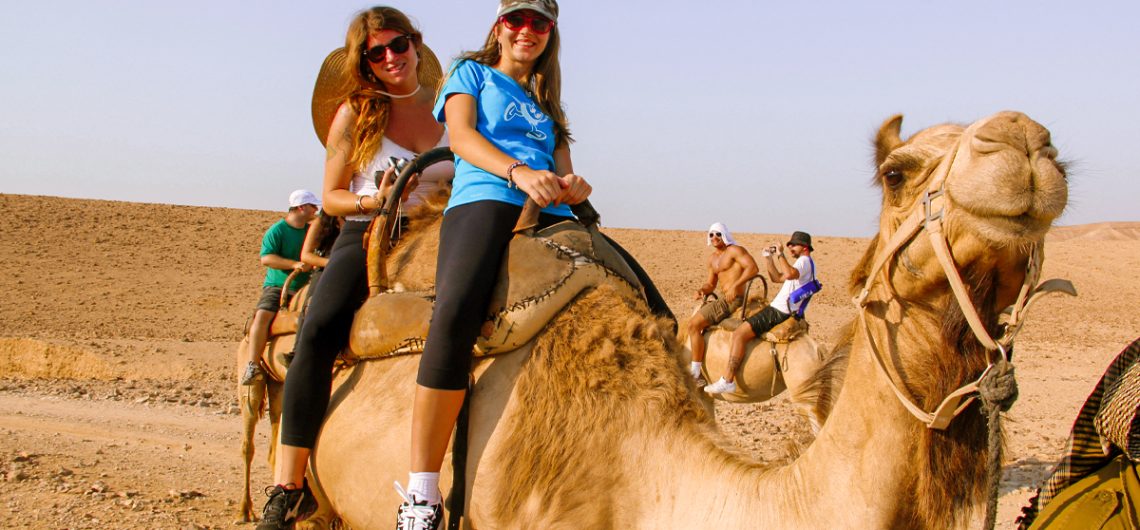
Optional activities include panoramic viewpoints for photography, camel rides across the desert, and even entering one of the pyramids for a unique perspective. This day is a highlight for any 3 day cairo egypt itinerary or part of a longer one week in egypt journey, offering travelers an unforgettable experience in Egypt’s most iconic locations.

Day 3: Grand Egyptian Museum and Old Cairo

Day three focuses on culture and history. Begin with the Grand Egyptian Museum, housing thousands of ancient artifacts, including Tutankhamun’s treasures. Guided tours bring history to life, transforming walls and displays into stories of pharaohs and dynasties.

In the afternoon, explore Old Cairo’s mosques, churches, and vibrant markets. This part of your cairo egypt 3 day itinerary provides insight into Egypt’s religious diversity, historical depth, and contemporary culture. Walking through the narrow streets of Old Cairo, travelers can see everyday Egyptian life and shop for unique souvenirs.

Even for travelers following a cairo egypt 3 day itinerary, this combination of modern museums and historic neighborhoods ensures a complete understanding of the city.

Day 4: Optional Day Trips – Saqqara and Memphis

For those on a one week in Egypt or extended 5 days in Egypt itinerary, day four offers optional excursions to Saqqara and Memphis, Egypt’s ancient capitals. Saqqara is home to the Step Pyramid of Djoser, the oldest pyramid in Egypt, while Memphis offers fascinating open-air ruins and statues.

These sites provide historical context for the Pyramids and Sphinx, enriching your Cairo Egypt itinerary. A guided tour ensures travelers understand the significance of these early dynastic sites, their construction methods, and their role in Egypt’s evolution.

Day 5: Cairo Highlights – Islamic and Coptic Cairo

Explore Cairo’s cultural heart with visits to the Islamic Citadel, Muhammad Ali Mosque, and the historic Coptic churches. This part of your Cairo Egypt itinerary introduces travelers to Cairo’s architectural richness and religious diversity.

Optional markets and street food tours allow travelers to experience the city’s vibrant daily life. Whether part of a 10 days in Egypt itinerary or a shorter 3 day Cairo Egypt itinerary, this day balances history, culture, and culinary exploration.

Day 6: Departure or Extension

Your final day in Cairo allows for last-minute shopping, a farewell Nile cruise dinner, or additional exploration depending on your schedule. Travelers can reflect on their Cairo Egypt itinerary, ensuring the city’s history, culture, and energy leave a lasting impression.

For those including Cairo in a 10 days in Egypt itinerary or 5 days in Egypt itinerary, departure can be coordinated with flights to Luxor, Aswan, or other destinations.