
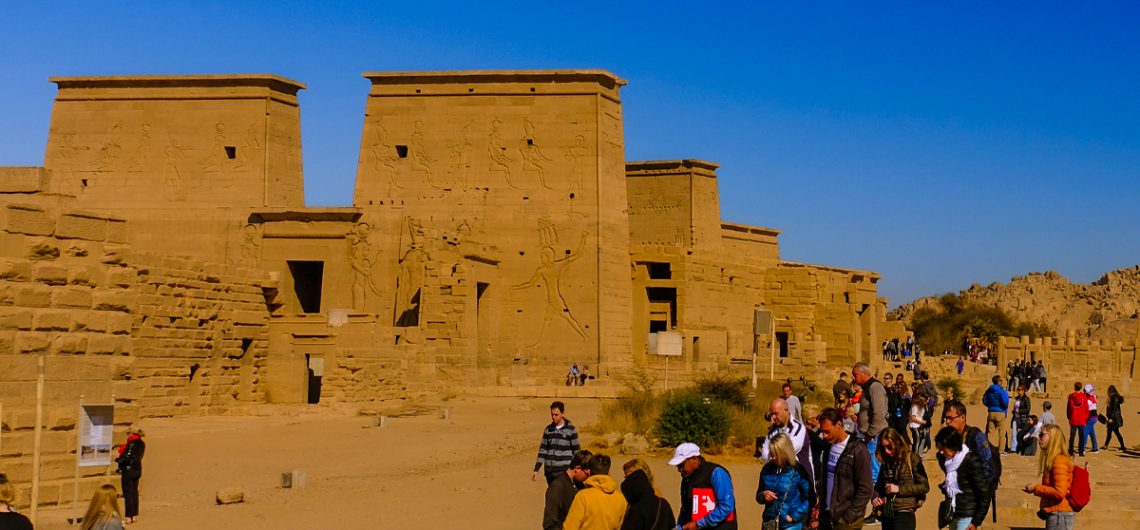
Aswan is one of Egypt’s most fascinating destinations, renowned for its breathtaking landscapes, rich Nubian culture, and remarkable ancient monuments. Located in southern Egypt along the banks of the Nile River, Aswan has served as a gateway to Africa for thousands of years. Among its many attractions, the Temples of Aswan stand out as some of the most impressive and historically significant sites in the country.
These magnificent temples provide visitors with a unique opportunity to step back in time and explore the religious, political, and architectural achievements of ancient Egyptian civilization. From the enchanting Temple of Philae dedicated to the goddess Isis to the impressive Kalabsha Temple and the world-famous Abu Simbel Temples nearby, Aswan offers an unforgettable journey through Egypt’s glorious past.
In this comprehensive guide, we will explore the most important temples of Aswan, their history, architecture, significance, and practical tips for visitors planning an unforgettable Egyptian adventure.
The Historical Importance of Aswan
Throughout ancient Egyptian history, Aswan occupied a strategic position near Egypt’s southern frontier. Known in antiquity as Swenet, the city served as a vital commercial center connecting Egypt with Nubia and sub-Saharan Africa. Merchants, travelers, soldiers, and diplomats passed through Aswan, bringing wealth and cultural exchange to the region.
The city was also famous for its granite quarries, which supplied stone for many of Egypt’s most iconic monuments, including obelisks, statues, and temples. The temples built in and around Aswan reflect the city’s importance as a religious and political center spanning multiple dynasties and historical periods.
Today, the temples of Aswan continue to attract millions of visitors seeking to discover the wonders of ancient Egypt while enjoying the region’s unique natural beauty.
The Temple of Philae
History of Philae Temple
The Temple of Philae is undoubtedly one of the most beautiful and famous temples in Egypt. Dedicated primarily to the goddess Isis, Philae became one of the most important religious centers in the ancient world.
Construction of the temple complex began during the Ptolemaic Period and continued under Roman rule. For centuries, pilgrims traveled from across Egypt and neighboring lands to worship Isis, who was revered as the goddess of motherhood, magic, healing, and protection.
Following the construction of the Aswan High Dam, rising waters threatened to submerge the temple permanently. In an extraordinary international rescue effort led by UNESCO during the 1960s and 1970s, the temple was carefully dismantled and relocated to nearby Agilkia Island, where it stands today.
Architectural Highlights
Visitors arriving by boat immediately understand why Philae is considered one of Egypt’s most romantic temple complexes. The temple features:
- Massive pylons decorated with intricate carvings.
- Elegant colonnades.
- Sacred sanctuaries.
- Beautiful reliefs depicting Isis, Osiris, Horus, and other deities.
- Roman-era additions and chapels.
- Stunning Nile River surroundings.
The detailed artwork throughout the temple provides valuable insights into ancient Egyptian mythology and religious practices.
Why Visit Philae Temple?
Philae offers a unique combination of history, architecture, and natural beauty. The Sound and Light Show held in the evenings further enhances the experience by bringing ancient legends and historical events to life.
For many travelers, Philae represents one of the highlights of any visit to Egypt.
Kalabsha Temple
The Largest Free-Standing Temple in Nubia
The Temple of Kalabsha is one of the largest and best-preserved temples in Lower Nubia. Originally built during the reign of Roman Emperor Augustus, the temple was dedicated to Mandulis, a Nubian solar deity.
Like Philae, Kalabsha faced destruction due to rising waters following the construction of the High Dam. UNESCO successfully relocated the temple to higher ground near Aswan, preserving it for future generations.
Architectural Features
Kalabsha Temple showcases a fascinating blend of Egyptian and Roman architectural styles. Notable features include:
- Monumental entrance gateway.
- Large courtyard.
- Well-preserved reliefs.
- Detailed hieroglyphic inscriptions.
- Impressive sanctuary chambers.
The temple’s remote location means fewer crowds, allowing visitors to enjoy a more peaceful exploration experience.
Cultural Significance
Kalabsha reflects the cultural interactions between Egypt and Nubia during the Roman period. The temple provides valuable evidence of how local traditions and religious beliefs continued alongside Roman influence.
Abu Simbel Temples
Egypt’s Most Spectacular Temple Complex
Although located approximately 280 kilometers south of Aswan, Abu Simbel is often included among the region’s most important temple attractions.
Built by Pharaoh Ramesses II during the 13th century BCE, the temples were designed to demonstrate Egypt’s power and to commemorate Ramesses’ military victories.
The Great Temple of Ramesses II
The Great Temple features four colossal statues of Ramesses II seated at its entrance. Each statue stands approximately 20 meters tall, creating one of the most iconic images in Egypt.
Inside the temple, visitors can admire:
- Massive halls supported by Osirid pillars.
- Detailed battle scenes.
- Religious carvings.
- Sacred chambers dedicated to Egyptian gods.
The Temple of Queen Nefertari
Adjacent to the Great Temple stands a smaller temple dedicated to Queen Nefertari and the goddess Hathor.
This remarkable monument is notable because it grants unusual prominence to a royal queen, reflecting Ramesses’ deep affection and respect for Nefertari.
UNESCO Rescue Operation
Like Philae and Kalabsha, Abu Simbel faced destruction due to the creation of Lake Nasser. UNESCO coordinated one of the greatest archaeological rescue projects in history by cutting the temples into large blocks and relocating them to higher ground.
Today, Abu Simbel remains one of humanity’s greatest preservation achievements.
The Unfinished Obelisk Site
Although technically not a temple, the Unfinished Obelisk is one of Aswan’s most important archaeological attractions and is often included in temple-focused itineraries.
The enormous obelisk remains attached to the bedrock in an ancient granite quarry. Had it been completed, it would have been the largest obelisk ever erected in Egypt.
The site offers valuable insights into ancient Egyptian engineering techniques and stone-cutting methods.
The Temple of Beit El-Wali
Beit El-Wali is a smaller yet historically significant rock-cut temple constructed by Ramesses II.
The temple contains colorful reliefs depicting:
- Military campaigns.
- Religious ceremonies.
- Offerings to the gods.
- Royal achievements.
Despite its modest size, Beit El-Wali provides fascinating insights into New Kingdom art and political propaganda.
The Temple of Dakka
Another important Nubian monument relocated to preserve it from flooding is the Temple of Dakka.
Originally dedicated to the god Thoth, the temple features:
- Beautiful gateways.
- Detailed carvings.
- Greek and Roman additions.
- Well-preserved inscriptions.
The site demonstrates the cultural diversity that characterized the Nubian frontier region.
The Temple of Maharraqa
Maharraqa Temple is one of the lesser-known treasures of Aswan. Although unfinished, the temple includes unique architectural features such as a spiral staircase, which is extremely rare in ancient Egyptian temple design.
Visitors interested in archaeology and architecture often appreciate the temple’s distinctive character and peaceful atmosphere.
Religious Life in Ancient Aswan
The temples of Aswan reveal much about ancient Egyptian religious beliefs. Worship centered around a diverse pantheon of gods and goddesses who were believed to influence every aspect of life.
Important deities associated with Aswan temples include:
- Isis
- Osiris
- Horus
- Hathor
- Thoth
- Mandulis
Temples served not only as places of worship but also as economic, educational, and administrative centers.
Priests conducted daily rituals, maintained sacred objects, and organized festivals that attracted pilgrims from across Egypt.
Architectural Excellence of Aswan’s Temples
The temples of Aswan showcase the extraordinary skills of ancient Egyptian architects and craftsmen.
Common architectural elements include:
Pylons
Massive gateways marking temple entrances.
Courtyards
Open spaces used for ceremonies and gatherings.
Hypostyle Halls
Large chambers supported by columns.
Sanctuaries
Sacred inner rooms housing divine statues.
Reliefs and Hieroglyphs
Decorative carvings that recorded religious beliefs, historical events, and royal achievements.
These features demonstrate a sophisticated understanding of engineering, symbolism, and artistic expression.
Visiting the Temples of Aswan
Best Time to Visit
The ideal time to visit Aswan is between October and April when temperatures are more comfortable.
Summer temperatures can exceed 40°C, making sightseeing challenging.
Recommended Itinerary
A typical temple itinerary may include:
Day 1:
- Philae Temple
- Unfinished Obelisk
- High Dam
Day 2:
- Kalabsha Temple
- Nubian Museum
- Nile Felucca Ride
Day 3:
- Abu Simbel Excursion
Transportation
Visitors can reach the temples by:
- Boat
- Taxi
- Private tour
- Domestic flights (for Abu Simbel)
Photography Tips
For the best photographs:
- Visit early morning or late afternoon.
- Use natural lighting.
- Capture reflections along the Nile.
- Explore elevated viewpoints when available.
The Role of UNESCO in Preservation
Without UNESCO’s intervention, many of Aswan’s temples would have disappeared beneath the waters of Lake Nasser.
The international rescue campaign remains one of the most ambitious cultural preservation efforts ever undertaken.
These projects demonstrated the importance of global cooperation in protecting humanity’s shared heritage.
Why the Temples of Aswan Should Be on Every Traveler’s Bucket List
The Temples of Aswan offer an extraordinary combination of history, architecture, spirituality, and natural beauty. Whether exploring the magical island setting of Philae, admiring the grandeur of Abu Simbel, or discovering hidden Nubian treasures, visitors encounter some of the finest achievements of ancient civilization.
Unlike many archaeological destinations, Aswan combines its ancient monuments with vibrant modern culture, scenic Nile views, welcoming hospitality, and a relaxed atmosphere. This unique blend makes the city one of Egypt’s most rewarding travel destinations.
Conclusion
The Temples of Aswan stand as enduring symbols of Egypt’s remarkable past and humanity’s commitment to preserving cultural heritage. From the majestic Temple of Philae to the awe-inspiring Abu Simbel Temples, these monuments tell stories of powerful pharaohs, sacred rituals, architectural innovation, and international cooperation.
Whether you are a history enthusiast, archaeology lover, photographer, or curious traveler, the temples of Aswan provide unforgettable experiences that connect visitors with thousands of years of civilization. Exploring these timeless wonders is not simply a journey through Egypt—it is a journey through human history itself.