
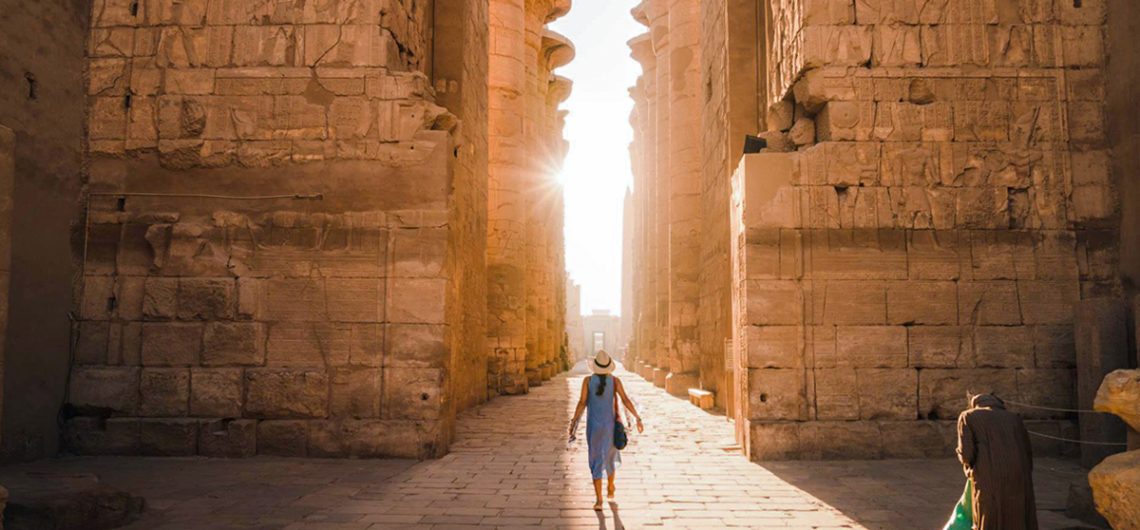
The Temples of Luxor are among the most extraordinary ancient monuments in the world and remain one of the main reasons millions of travelers visit Egypt every year. Located on the banks of the Nile River, Luxor is often called the world’s greatest open-air museum because it contains an unmatched collection of temples, tombs, statues, and archaeological treasures that reveal the grandeur of ancient Egyptian civilization.
For travelers planning a trip to Egypt in 2026, exploring the Temples of Luxor is an unforgettable experience. From the magnificent Karnak Temple Complex to the iconic Luxor Temple, every monument tells a story of powerful pharaohs, religious ceremonies, architectural brilliance, and thousands of years of history.
Whether you are a history enthusiast, a first-time visitor to Egypt, or someone looking for a luxury Nile cruise itinerary, Luxor offers some of the most rewarding travel experiences in the country. The city combines ancient wonders with modern tourism facilities, making it easy to discover Egypt’s rich heritage while enjoying comfortable accommodations, guided tours, and cultural experiences.
This complete guide will help you discover the most famous temples in Luxor, understand their historical significance, learn the best times to visit in 2026, and find practical travel tips that can enhance your journey. If you are planning an Egypt tour package, adding the Temples of Luxor to your itinerary is not just recommended—it is essential.
Why the Temples of Luxor Are a Must-Visit Destination in 2026
Few destinations in the world can compare to the historical importance and visual beauty of the Temples of Luxor. These ancient structures were built over thousands of years by some of Egypt’s most famous rulers, including Amenhotep III, Ramses II, Hatshepsut, Thutmose III, and Seti I.
What makes Luxor unique is the remarkable concentration of monuments within a relatively small area. Visitors can explore monumental temples, royal tombs, sacred avenues, and colossal statues all within a few days. This makes Luxor one of the most rewarding destinations for travelers interested in archaeology, culture, and ancient history.
In 2026, Luxor continues to attract visitors from around the globe due to ongoing archaeological discoveries and enhanced visitor experiences. Restoration projects have helped preserve many structures while improving accessibility for tourists. Modern lighting systems, visitor centers, and guided experiences make it easier than ever to appreciate the magnificence of these ancient sites.
The city is divided into two main areas: the East Bank and the West Bank. The East Bank was traditionally associated with life and worship, while the West Bank was linked to death and the afterlife. Together, they provide a complete picture of ancient Egyptian beliefs and daily life.
Another reason Luxor remains a top destination is its accessibility. Many Egypt tour packages include direct flights, Nile cruises, private transfers, and expert Egyptologist guides, allowing visitors to maximize their experience without logistical challenges.
For travelers seeking an authentic cultural adventure, the Temples of Luxor provide a unique opportunity to walk through structures that have stood for over three thousand years. Every column, relief, and statue offers insight into one of humanity’s greatest civilizations.
Karnak Temple Complex: The Largest Religious Site in Ancient Egypt
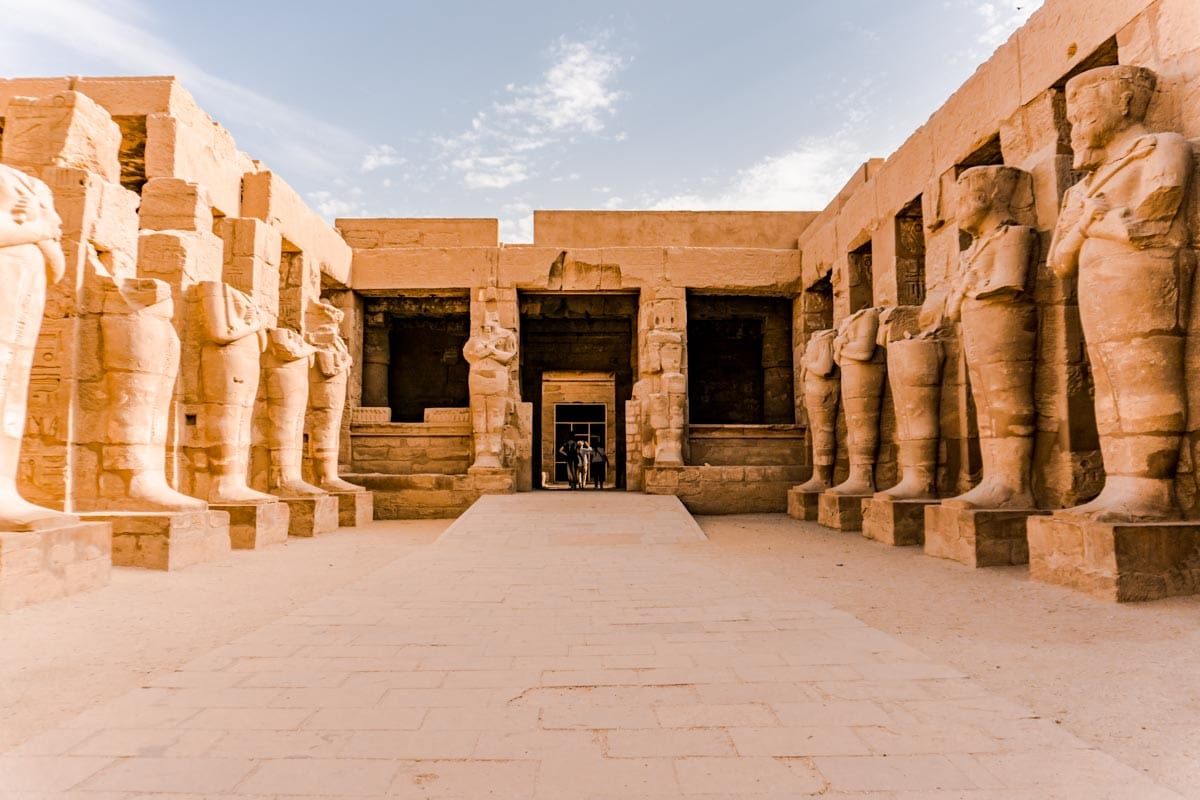
No discussion about the Temples of Luxor would be complete without highlighting the magnificent Karnak Temple Complex. Covering more than 200 acres, Karnak is considered the largest religious complex ever built and stands as one of Egypt’s most impressive archaeological attractions.
Construction at Karnak began nearly 4,000 years ago and continued through multiple dynasties. More than thirty pharaohs contributed to its expansion, resulting in an architectural masterpiece unlike any other ancient site.
The complex was primarily dedicated to Amun-Ra, the chief deity of Thebes. It includes temples, chapels, obelisks, sanctuaries, sacred lakes, and monumental gateways known as pylons. Each section reflects different periods of Egyptian history and showcases evolving architectural styles.
One of Karnak’s most famous features is the Great Hypostyle Hall. This incredible space contains 134 gigantic columns arranged in sixteen rows. Standing beneath these towering pillars is often described as one of the most awe-inspiring experiences in Egypt. The intricate carvings and hieroglyphics remain remarkably preserved and provide valuable insights into ancient religious ceremonies.
Visitors should also explore the Sacred Lake, where priests performed purification rituals, and the impressive obelisks erected by Queen Hatshepsut. These monuments demonstrate the engineering achievements of ancient Egypt and continue to fascinate historians and travelers alike.
The Sound and Light Show at Karnak is another popular attraction. Held in the evening, the show combines illumination, music, and historical narration to bring the temple’s history to life. Many travelers consider it one of the highlights of their stay in Luxor.
For anyone planning an Egypt vacation in 2026, Karnak Temple is a must-see destination. Its sheer scale, historical importance, and architectural beauty make it one of the most unforgettable sites in the world.
Luxor Temple: The Heart of Ancient Thebes
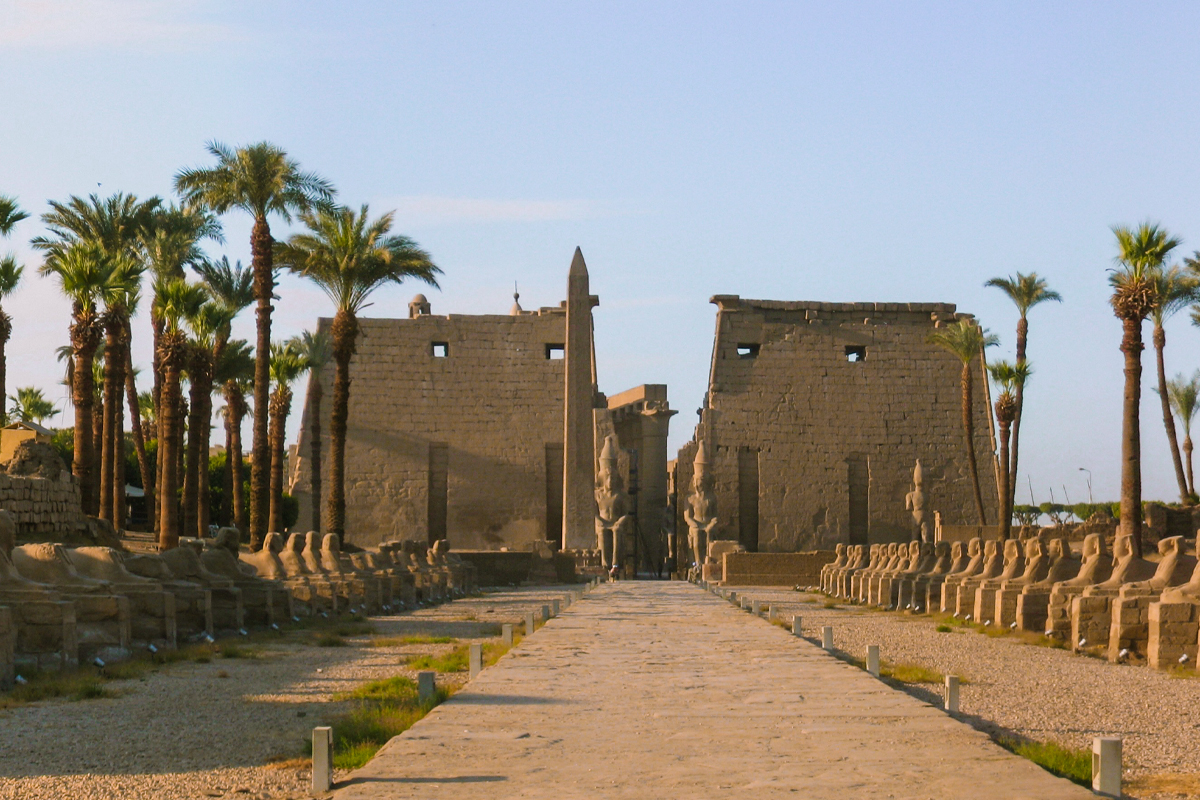
Located in the center of modern Luxor, Luxor Temple is one of Egypt’s most recognizable monuments. Unlike many other temples dedicated primarily to gods, Luxor Temple focused on the divine kingship of pharaohs and played a central role in religious festivals.
Construction began during the reign of Amenhotep III around 1400 BCE and was later expanded by Ramses II. The temple served as an important ceremonial center where rulers demonstrated their divine connection to the gods.
One of the first features visitors notice is the impressive entrance flanked by massive statues of Ramses II. These colossal figures symbolize royal power and create a dramatic introduction to the temple complex.
Inside, visitors can admire beautifully preserved reliefs depicting religious ceremonies, military victories, and royal achievements. The temple’s architecture reflects the artistic sophistication of ancient Egypt and showcases the skill of its craftsmen.
Perhaps the most fascinating aspect of Luxor Temple is its connection to the Avenue of Sphinxes. This ancient processional route linked Luxor Temple with Karnak Temple and extended for nearly three kilometers. Recent restoration efforts have revealed large sections of the avenue, allowing visitors to appreciate its original grandeur.
Luxor Temple becomes especially magical after sunset. Carefully designed lighting highlights the massive columns and statues, creating an atmosphere that feels both dramatic and timeless. Evening visits are highly recommended for photographers and travelers seeking a memorable experience.
The temple’s central location also makes it easy to combine with other attractions, restaurants, and hotels. Whether visited independently or as part of a guided Egypt tour, Luxor Temple offers a remarkable journey into the spiritual and political heart of ancient Thebes.
Mortuary Temple of Hatshepsut: A Masterpiece of Ancient Architecture
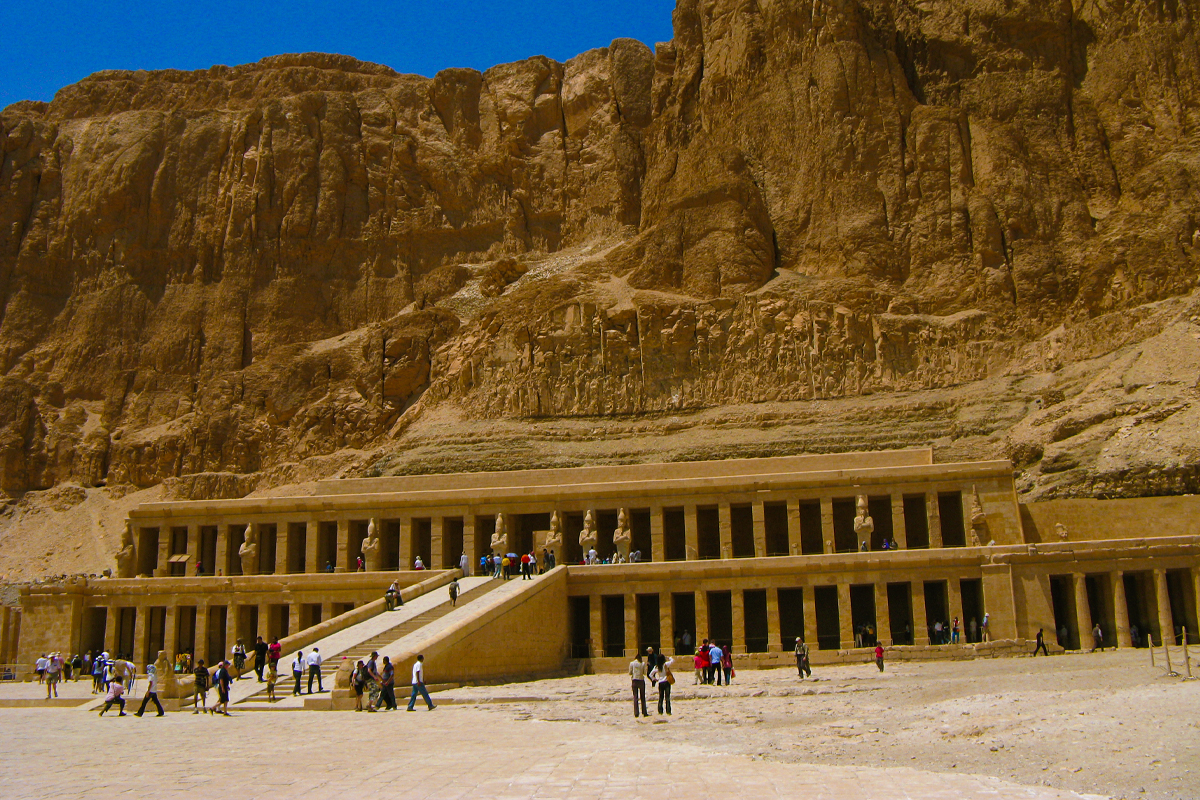
Among all the Temples of Luxor, the Mortuary Temple of Hatshepsut stands out for its unique design and historical significance. Built into the cliffs of Deir el-Bahari on Luxor’s West Bank, the temple honors one of Egypt’s most successful female pharaohs.
Hatshepsut ruled Egypt during the 18th Dynasty and oversaw a period of prosperity, trade expansion, and architectural innovation. Her mortuary temple reflects these achievements through its elegant terraces, symmetrical layout, and stunning location.
Unlike traditional temple designs, Hatshepsut’s temple consists of three ascending levels connected by ramps. This distinctive architectural style creates a harmonious relationship between the monument and the surrounding cliffs.
The temple walls contain detailed reliefs illustrating important events from Hatshepsut’s reign. One of the most famous scenes depicts her expedition to the Land of Punt, a successful trading mission that brought valuable goods, exotic animals, and luxury products to Egypt.
Visitors can also learn about Hatshepsut’s efforts to legitimize her rule. Many reliefs emphasize her divine birth and special relationship with the gods, reinforcing her authority as pharaoh.
The temple’s location adds to its appeal. Surrounded by dramatic limestone cliffs and desert landscapes, it offers some of the most breathtaking views in Luxor. Early morning visits are particularly popular because of cooler temperatures and excellent lighting conditions.
For travelers exploring the West Bank, the Mortuary Temple of Hatshepsut is often combined with visits to the Valley of the Kings and other nearby monuments. Together, these sites provide a deeper understanding of Egypt’s royal history and religious traditions.
As one of the most iconic landmarks in Egypt, Hatshepsut Temple remains a highlight of nearly every Luxor tour itinerary in 2026.
Valley of the Kings: The Royal Burial Ground of Ancient Pharaohs
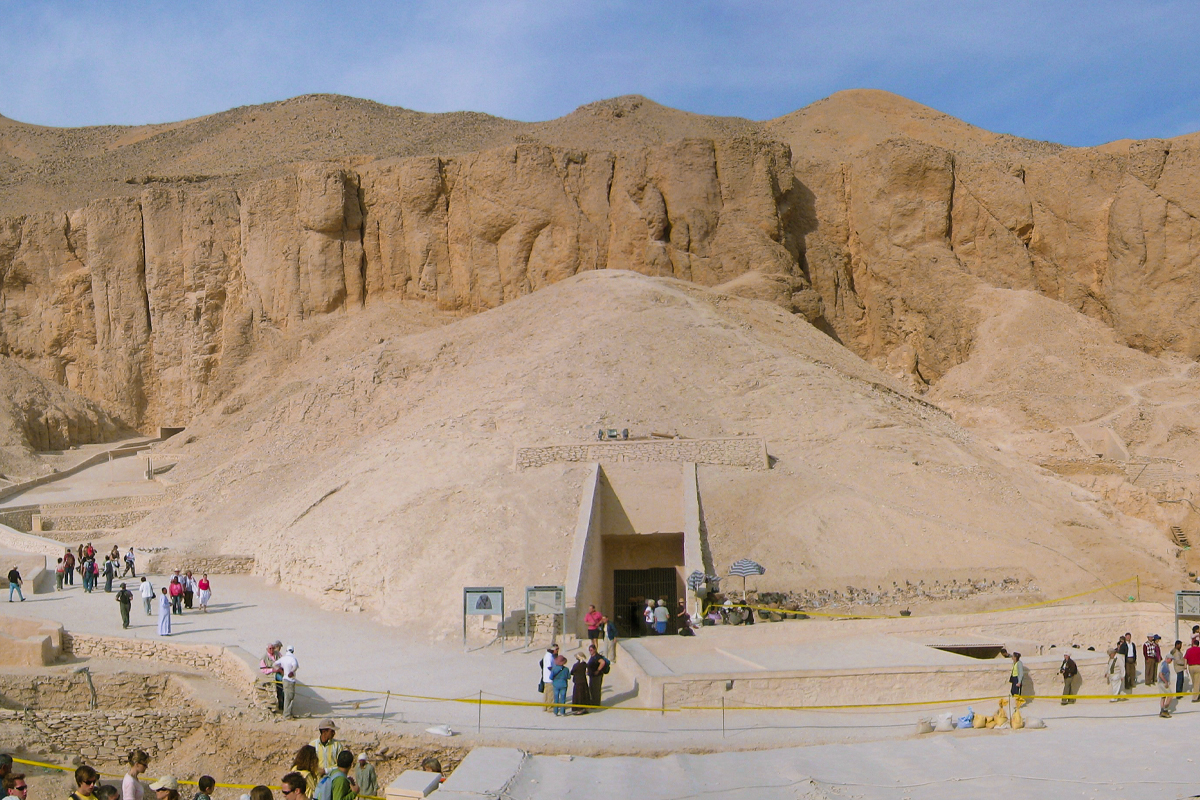
The Valley of the Kings is one of the most significant archaeological sites in Egypt and a key highlight when exploring the Temples of Luxor and its surrounding West Bank attractions. Located on the desert hills opposite modern Luxor, this legendary valley served as the royal burial ground for pharaohs and powerful nobles of the New Kingdom period.
For travelers in 2026, visiting the Valley of the Kings offers a rare opportunity to step directly into the ancient Egyptian belief system surrounding the afterlife. Unlike monumental temples built for worship, the tombs here were designed as sacred gateways to eternity. Each tomb was carefully carved into the limestone mountains and decorated with intricate paintings, religious texts, and symbolic scenes guiding the pharaohs into the next world.
Among the most famous tombs is the tomb of Tutankhamun, discovered almost intact in 1922. Although relatively small compared to others, its discovery changed modern understanding of Ancient Egypt and remains one of the most visited tombs today. Other notable tombs include those of Ramses II, Seti I, and Thutmose III, each showcasing different artistic styles and burial traditions.
What makes the Valley of the Kings especially fascinating is the level of detail preserved inside the tombs. Visitors can still see vivid wall paintings, including scenes from the Book of the Dead, celestial journeys, and depictions of gods protecting the pharaohs. These artworks were not decorative alone—they served a spiritual function believed to ensure safe passage to the afterlife.
In 2026, visitor access is carefully managed to preserve the delicate environment inside the tombs. A rotating entry system allows travelers to explore selected tombs, while others remain closed for conservation. This ensures that future generations can continue to experience this extraordinary heritage site.
Many Egypt tours combine the Valley of the Kings with nearby attractions such as the Temple of Hatshepsut and the Colossi of Memnon, making it a full-day West Bank experience. Guided tours are highly recommended, as Egyptologists provide detailed explanations that bring the history of each tomb to life.
For anyone interested in Ancient Egypt, the Valley of the Kings is not just a sightseeing stop—it is a journey into the spiritual heart of a civilization that shaped world history.
Avenue of Sphinxes: The Ancient Processional Road of Luxor
The Avenue of Sphinxes is one of the most remarkable archaeological discoveries in modern Egypt and a vital link between Karnak Temple and Luxor Temple. Stretching approximately 2.7 kilometers, this ancient ceremonial road was once used for grand religious festivals, most notably the Opet Festival.
During these celebrations, statues of Amun, Mut, and Khonsu were carried in ceremonial barges along the avenue, connecting the two great temples of Thebes. The route was lined with hundreds of sphinx statues, creating a majestic corridor symbolizing divine protection and royal power.
In recent years, extensive restoration projects have uncovered and restored large sections of the Avenue of Sphinxes, making it possible for visitors in 2026 to walk along parts of the original ancient route. This transformation has significantly enhanced the Luxor experience, offering a rare opportunity to physically connect two of the most important temples in Egypt.
Walking along the Avenue of Sphinxes today feels like stepping back thousands of years. The alignment between Luxor Temple and Karnak Temple becomes clearly visible, reinforcing how ancient architects designed the city with precise religious and astronomical significance.
Night visits along the illuminated sections of the avenue provide a particularly memorable experience. Soft lighting highlights the restored statues and pathways, creating a magical atmosphere that blends history with modern presentation.
For travelers exploring Egypt Tours or Nile Cruise itineraries, the Avenue of Sphinxes is often included as part of guided Luxor sightseeing packages. It serves as a powerful reminder of the scale and sophistication of Ancient Egyptian ceremonial life.
Colossi of Memnon: Guardians of the West Bank
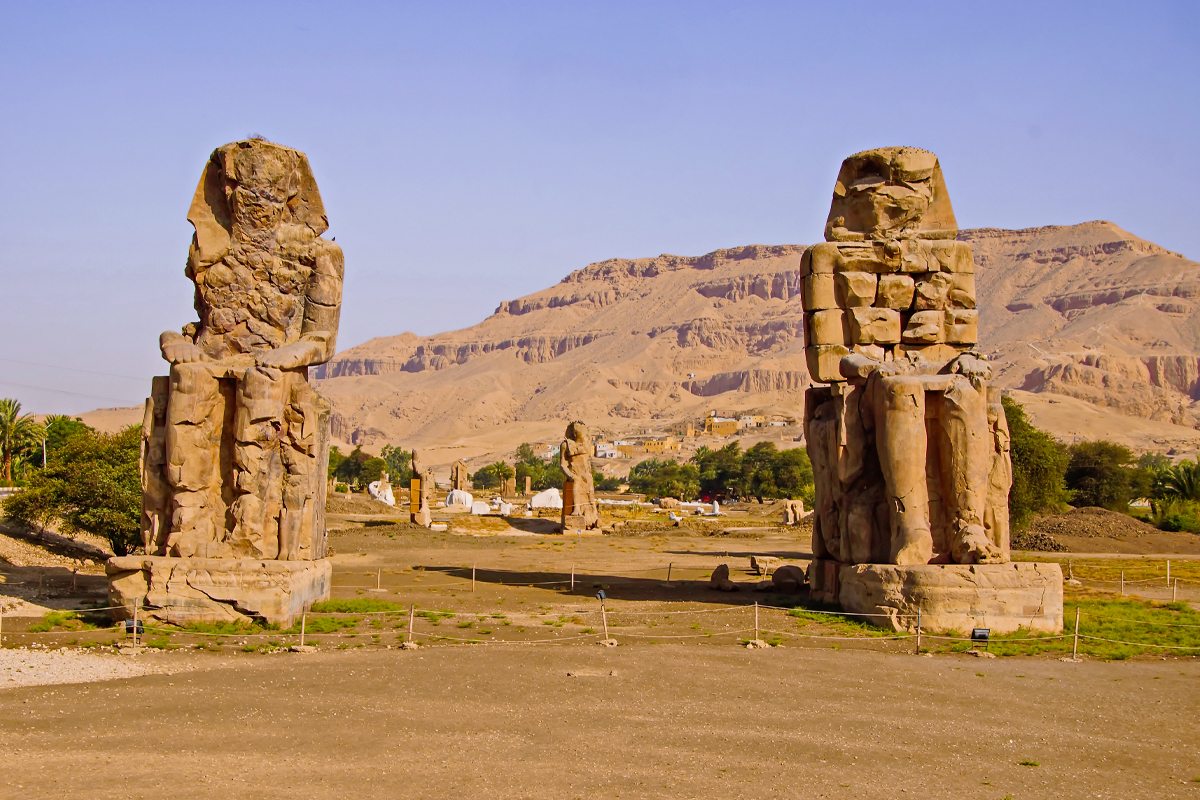
Standing silently on the West Bank of Luxor, the Colossi of Memnon are two massive stone statues that have guarded the Theban necropolis for more than 3,000 years. These towering figures represent Pharaoh Amenhotep III and are among the most photographed landmarks in Luxor.
Each statue stands approximately 18 meters high and once flanked the entrance of Amenhotep III’s mortuary temple, which was one of the largest temple complexes in Ancient Egypt. Although the temple itself has largely disappeared due to floods and earthquakes, the Colossi remain as powerful reminders of its former grandeur.
Over the centuries, the statues became famous not only for their size but also for a mysterious acoustic phenomenon reported by ancient travelers. At sunrise, one of the statues was said to produce a singing or whistling sound, which was later attributed to temperature changes affecting the stone. This legend attracted visitors from across the ancient world, including Roman emperors.
Today, the Colossi of Memnon remain an essential stop on any Luxor West Bank tour. Travelers often visit them at the beginning or end of a Valley of the Kings excursion. Despite standing in an open field, their scale and presence create a striking first impression of Ancient Egyptian monumental art.
The site is freely accessible and offers excellent photo opportunities, especially during early morning light. Many guided Egypt tours include a short stop here to explain their historical significance and connection to Amenhotep III’s vast temple complex.
For those exploring Luxor in 2026, the Colossi of Memnon provide a powerful introduction to the grandeur that once defined this ancient city.
Best Time to Visit the Temples of Luxor in 2026
Choosing the right time to visit the Temples of Luxor can significantly enhance your travel experience. Luxor has a desert climate, meaning hot summers and mild winters. Understanding seasonal conditions is essential for planning comfortable sightseeing.
The best time to visit Luxor in 2026 is between October and April. During these months, daytime temperatures are pleasant, typically ranging from 20°C to 30°C, making it ideal for exploring outdoor archaeological sites. Morning and late afternoon visits are especially recommended for temples like Karnak and Luxor Temple.
From May to September, temperatures can rise significantly, often exceeding 40°C. While travel is still possible, early morning tours and evening visits become essential. Many travelers choose Nile Cruise packages during this period, as the river breeze provides some relief from the heat.
Winter months (December to February) are considered peak tourist season. The weather is most comfortable, and visibility at archaeological sites is excellent. However, popular attractions may be busier, so booking Egypt tours in advance is highly recommended.
Spring and autumn offer a balance between comfortable weather and lower crowd levels, making them ideal for travelers seeking a more relaxed experience.
Regardless of the season, it is important to stay hydrated, wear light clothing, and use sun protection when exploring outdoor sites. Professional guided tours often schedule visits strategically to avoid peak heat hours.
For travelers planning a 2026 Egypt vacation, aligning your itinerary with the right season ensures a more enjoyable and immersive experience of Luxor’s ancient wonders.
Travel Tips for Visiting the Temples of Luxor
To make the most of your visit to the Temples of Luxor, a few practical travel tips can significantly improve your experience. Luxor is a destination rich in history but also requires thoughtful planning due to its climate and archaeological layout.
First, hiring a certified Egyptologist guide is highly recommended. These experts provide historical context that transforms temple ruins into living stories of Ancient Egypt. Many Egypt tours include professional guides who specialize in Luxor attractions.
Second, plan your visits early in the morning. The temples are less crowded, and temperatures are more comfortable. Early visits also offer better lighting for photography, especially at Karnak Temple and Luxor Temple.
Third, wear comfortable walking shoes. The temple grounds are large and often uneven, requiring significant walking. Lightweight clothing, hats, and sunscreen are essential for protection against the sun.
Fourth, consider combining East Bank and West Bank attractions in a structured itinerary. This allows you to experience both religious temples and royal tombs in a single day or over two days.
Fifth, respect site regulations. Many temples are fragile, and touching wall carvings or entering restricted areas is not allowed. Preservation efforts are ongoing, and responsible tourism helps protect these ancient wonders.
Finally, consider booking a Nile Cruise Egypt package. This is one of the most relaxing and scenic ways to explore Luxor, Aswan, and other key historical sites along the Nile.
Conclusion: Why the Temples of Luxor Should Be on Your 2026 Egypt Travel List
The Temples of Luxor represent one of the most extraordinary cultural and historical experiences in the world. From the grandeur of Karnak Temple to the elegance of Luxor Temple, the royal mysteries of the Valley of the Kings, and the architectural beauty of Hatshepsut’s Temple, every site reveals a different chapter of Ancient Egypt’s story.
For travelers planning Egypt Tours or Egypt Vacation Packages in 2026, Luxor is not just a destination—it is a journey through time. The combination of monumental architecture, preserved history, and immersive cultural experiences makes it one of the most rewarding travel destinations on earth.
Whether you are exploring independently or through a guided tour, Luxor offers unforgettable memories that stay with you long after your journey ends. It is a place where history is not only seen but deeply felt.
Booking a professional Egypt travel package ensures a seamless experience, allowing you to focus entirely on discovering the wonders of the Temples of Luxor.