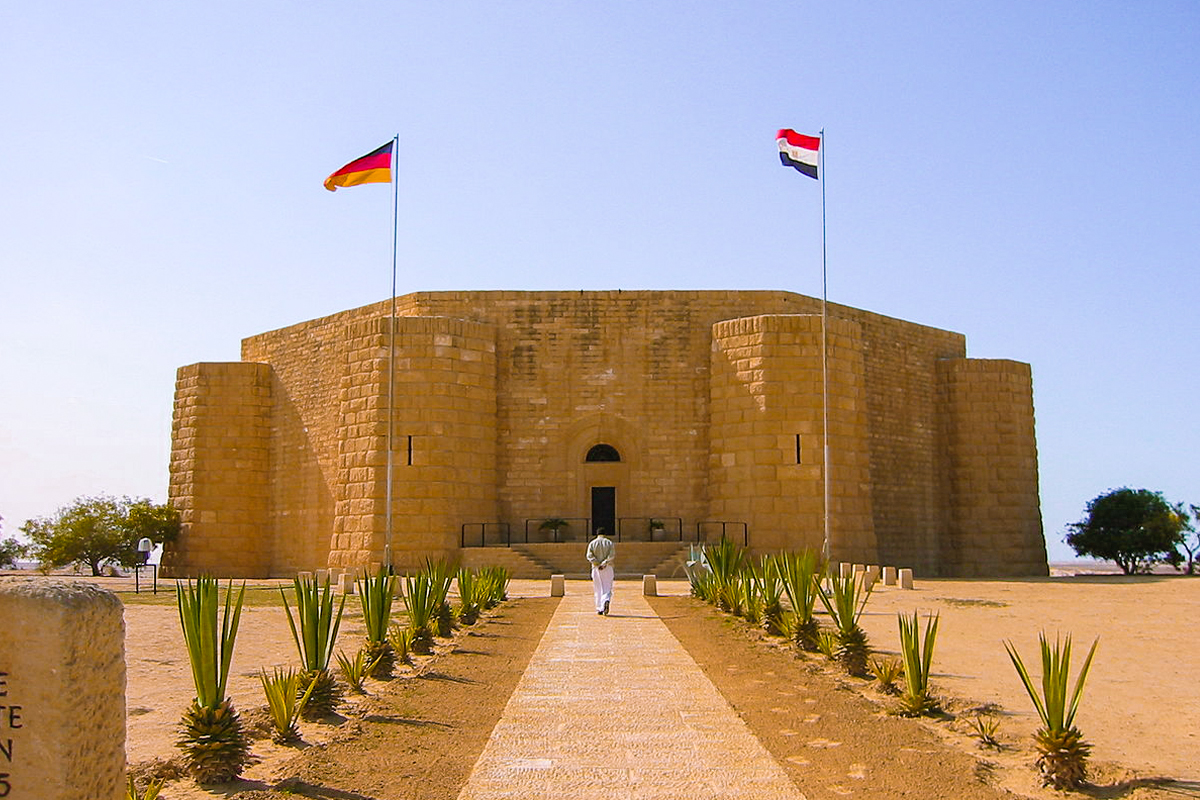
Best 7 Days in Egypt: The Complete 7 Day Egypt Itinerary for 2026
- Blog
- Best Pyramid Tour Cairo, Egypt Private Tour Packages, Egypt Pyramid Tour Packages, Egypt Pyramids Tours from Hurghada, Half-Day Pyramids Tour, Private Pyramid Tours Egypt, Pyramids of Giza Tour Cost
If you are planning seven days in Egypt, this guide shows the best 7 days in Egypt route for first-time visitors, returning travelers, couples, families, and history lovers. Whether you want a 7 day tour of Egypt, a 7 day Egypt tour package, or an independent Egypt 7 days plan, this Egypt itinerary for 7 days is designed to help you experience the country’s greatest wonders without feeling rushed.
A 7 days Egypt trip is one of the most efficient ways to combine ancient monuments, museums, temples, Nile scenery, and local culture. It is long enough to visit Cairo, the Giza Pyramids Complex, Luxor, and Aswan, yet short enough to fit into a realistic vacation. This 7 days in Egypt itinerary answers the most common questions travelers search for: what to see in Egypt in 7 days, how do I travel Egypt in 7 days, and what affects Egypt itinerary 7 days cost, including Cairo Egypt travel cost 2026.
Whether you are comparing 7 day Egypt tours, building your own 7 days Egypt itinerary, or looking for a structured 7 days tour in Egypt, this guide gives you a clear day-by-day plan, practical travel tips, internal links to major attractions, and realistic advice for making the most of your time.
The best 7 days in Egypt are not about seeing everything. They are about seeing the right things in the right order, with enough time to breathe, absorb, and enjoy the journey.
Quick Answer: What Is the Best 7 Days in Egypt Itinerary?
The best 7 days in Egypt itinerary usually combines Cairo, Giza, Saqqara, Memphis, Luxor, Aswan, and optional Abu Simbel. A strong Egypt itinerary for 7 days starts with the Egyptian Museum or Grand Egyptian Museum, continues with the Great Pyramid of Cheops and Great Sphinx of Giza, then moves to Luxor for Karnak Temple, Luxor Temple, and the Valley of the Kings. The final days can include Aswan, Philae Temple, and optionally the Temples of Abu Simbel before returning to Cairo. This 7 day tour of Egypt balances iconic landmarks, comfort, and realistic travel time.
Why 7 Days in Egypt Is the Perfect Trip Length
Many travelers wonder whether seven days in Egypt is enough. The answer is yes, if the itinerary is planned well. Egypt is a large country with long distances between major sites, but the highlights can be covered efficiently using domestic flights, private transfers, and focused sightseeing. A 7 days in Egypt trip gives you enough time to experience the pyramids, museums, temples, Nile towns, and local atmosphere without the pressure of a very short stopover.
Compared with a 3-day Egypt itinerary or 4-day Egypt itinerary, a 7 day Egypt tour package allows you to move beyond Cairo and Giza. Compared with a 10-day Egypt itinerary or 14-day Egypt itinerary, it is shorter and more budget-conscious, while still covering the country’s most famous wonders.
This is why many travelers searching for Egypt 7 days, 7 days Egypt, or 7 days in Egypt itinerary choose this duration. It is practical, exciting, and deeply memorable.
Seven days in Egypt is not enough to see everything, but it is enough to understand why the country has fascinated travelers for centuries.
Egypt Itinerary 7 Days: At a Glance
Below is the recommended 7 days Egypt itinerary for 2026. It is designed for first-time visitors who want the best balance of ancient history, comfort, and realistic travel time.
| Day | Destination | Main Highlights |
|---|---|---|
| Day 1 | Arrival in Cairo | Egyptian Museum, Grand Egyptian Museum, Islamic Cairo, Nile Corniche |
| Day 2 | Giza Plateau | Pyramids of Giza, Great Pyramid of Cheops, Great Sphinx |
| Day 3 | Memphis and Saqqara | Ancient City of Memphis, Step Pyramid of Zoser |
| Day 4 | Fly to Luxor | Karnak Temple, Luxor Temple, East Bank Luxor |
| Day 5 | Luxor to Aswan | Valley of the Kings, travel to Aswan, Philae Temple |
| Day 6 | Abu Simbel and Return | Temples of Abu Simbel, Aswan Nile views, fly or train to Cairo |
| Day 7 | Cairo Departure | Citadel of Saladin, Khan el-Khalili, Coptic Cairo, departure |
This 7 day tour of Egypt can be customized depending on your pace, budget, and interests. If you prefer a slower route, you can replace some domestic travel with a Nile cruise itinerary. If you want more ancient history, add extra time in Luxor. If you are traveling with children, see our guide to Egypt with kids.
A well-built Egypt itinerary 7 days plan should feel like a journey, not a checklist.
Day 1: Arrival in Cairo – Gateway to Ancient Wonders
Your seven days in Egypt adventure begins in Cairo, the capital city and one of the most historically layered destinations in the world. Cairo can feel intense, but it is also the best place to begin because it gives you access to museums, monuments, food, transport, and medical facilities. For many travelers, the first day is about settling in and understanding the scale of Egyptian civilization.
Highlights for Day 1
- Visit the Egyptian Museum in Tahrir Square for classic royal artifacts and old-world museum atmosphere.
- Explore the Grand Egyptian Museum near Giza for modern galleries, royal statues, and contextual displays connected to the pyramids.
- Walk through Islamic Cairo and see historic mosques, streets, and architecture.
- Enjoy sunset views along the Nile Corniche.
- Try traditional Egyptian food for dinner, such as koshari, grilled meats, molokhia, or ta’ameya.
Cairo is ideal for the first day of a 7 days Egypt itinerary because it allows you to ease into the country before moving to archaeological sites. If you arrive tired, keep the day light. A museum visit, a nice meal, and a short Nile view can be enough. For a structured start, consider a Cairo day tour or a private day tour Cairo sightseeing option.
If you are interested in religious and historical Cairo, you can also connect this day with our guide to the best things to see in Cairo.
Day one is not about doing everything. It is about arriving, orienting yourself, and letting Cairo begin its story.
Day 2: Giza Plateau – Pyramids and the Sphinx
No best 7 days in Egypt itinerary is complete without visiting the Giza Pyramids Complex. This is the moment when ancient Egypt becomes physical, immediate, and unforgettable. The pyramids at Giza are not just monuments; they are statements of royal power, religious belief, engineering skill, and civilization’s desire to defeat time.
What to Do on Day 2
- Explore the Great Pyramid of Cheops, the largest pyramid in Egypt and the only surviving wonder of the ancient Seven Wonders of the World.
- Visit the Pyramid of Khafre and the Pyramid of Menkaure.
- See the Great Sphinx of Giza, the ancient guardian with the face of a king and the body of a lion.
- Stop at Panorama Point for the classic view of the three pyramids aligned together.
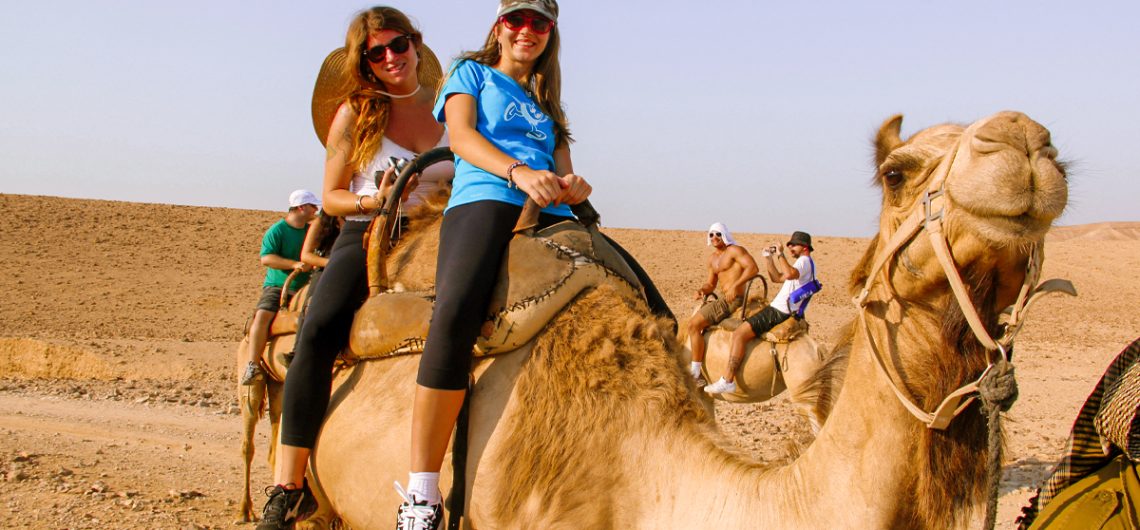
- Optional: take a camel or horse ride around the plateau, but agree on price and duration in advance.
For the best experience, arrive early. The Giza Plateau is open, exposed, and busiest by mid-morning. Early arrival gives you softer light, cooler temperatures, and more space to appreciate the monuments. If you want a smoother visit, consider a private day tour to the Grand Egyptian Museum and Pyramids of Giza or an all-inclusive private trip to the Giza Pyramids.
This is also a wonderful day to taste local food after your visit. A bowl of koshari or a grilled meal near Giza can make the experience feel complete. For more culinary ideas, see our guide to Egypt and food.
The pyramids are famous for a reason. Seeing them in person makes every photograph, documentary, and history lesson suddenly feel incomplete.
Day 3: Memphis and Saqqara – The Birthplace of the Pyramid
Day three of your 7 days in Egypt journey moves south to the ancient Memphite region. This day is especially rewarding for travelers who want to understand where pyramid architecture began. The Ancient City of Memphis was one of Egypt’s earliest capitals, while Saqqara was one of its great royal necropolises.
Highlights for Day 3
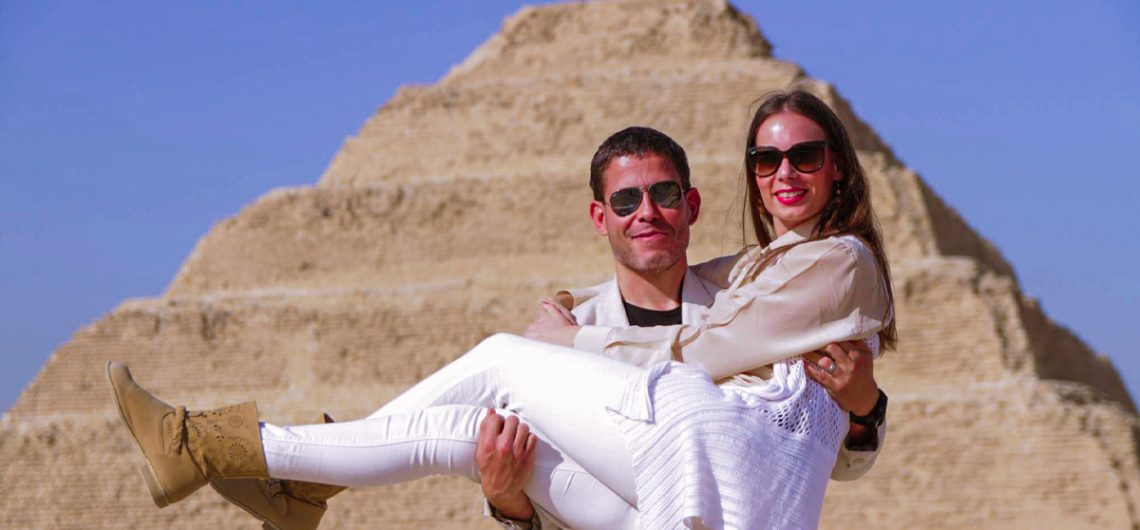
- Visit Saqqara and see the Step Pyramid of Zoser, the world’s oldest colossal stone building and the beginning of the pyramid age.
- Explore the Ancient City of Memphis, including the colossal fallen statue of Ramesses II and the alabaster sphinx.
- Learn how the Memphite region shaped the rise of the Egyptian state.
- Optional: add Dahshur to see experimental pyramids connected to the evolution of pyramid design.
This day is often overlooked by casual travelers, but it adds enormous depth to a 7 day Egypt tour package. Once you understand Saqqara and Memphis, the pyramids of Giza no longer feel isolated. They become part of a longer architectural and historical story.
For a combined route, see our day tour to Memphis and Saqqara or our private day tour to the Pyramids of Giza, Dahshur, Memphis, and Saqqara.
Giza is the climax, but Saqqara and Memphis are the prologue. To understand the pyramids, begin where they began.
Day 4: Luxor – The World’s Largest Open-Air Museum
On day four, fly from Cairo to Luxor, often described as the world’s largest open-air museum. Luxor is essential to any serious Egypt itinerary 7 days plan because it concentrates an extraordinary number of temples, tombs, and ancient monuments into one landscape.
Key Attractions in Luxor
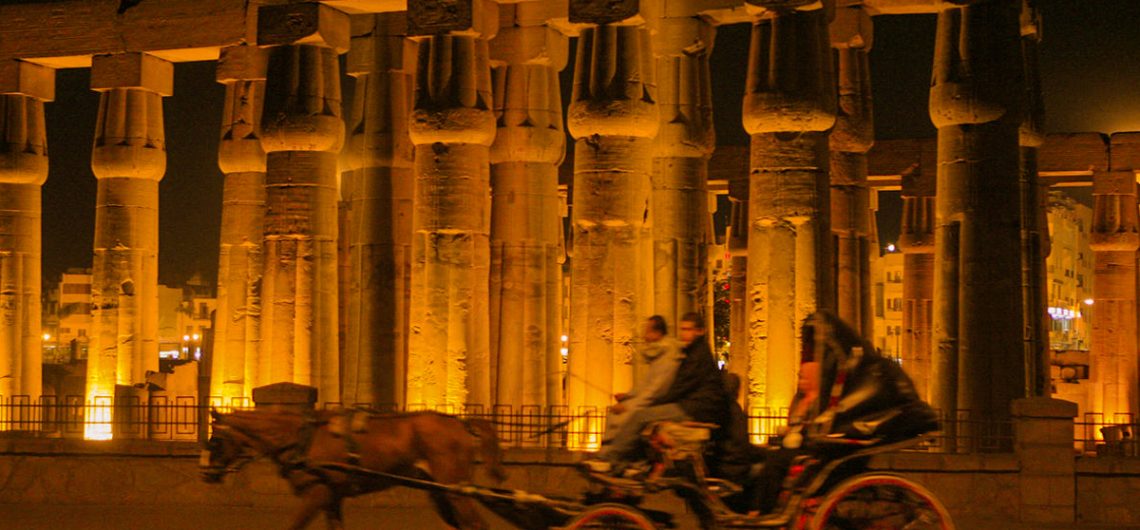
- Karnak Temple Complex: massive columns, sacred lakes, obelisks, statues, and centuries of royal building.
- Luxor Temple: beautifully illuminated in the evening and connected to the Avenue of Sphinxes.
- Optional: visit the Luxor Museum for royal statues and quieter gallery time.
- Enjoy a felucca sail or Nile view at sunset if time and energy allow.
Luxor is perfect for travelers on a 7 days tour in Egypt who want immersive historical experiences. The city feels ancient not only because of its monuments, but because the landscape itself seems to hold memory. Temples, hills, river bends, and desert edges all contribute to the atmosphere.
If you prefer a slower pace, you can replace part of your overland travel with a Nile cruise itinerary. However, for a 7 day Egypt tour, flying between Cairo, Luxor, and Aswan is usually the most time-efficient option.
Luxor does not need to be explained to be felt. You walk into it, and the ancient world becomes immediate.
Day 5: Luxor West Bank and Travel to Aswan
Day five is one of the richest days in your best 7 days in Egypt route. Begin early on Luxor’s West Bank, then travel to Aswan by domestic flight, train, or Nile cruise depending on your plan.
Luxor West Bank Highlights
- Visit the Valley of the Kings, the royal necropolis where New Kingdom pharaohs were buried.
- See the Temple of Hatshepsut at Deir el-Bahari, one of Egypt’s most striking mortuary temples.
- Stop at the Colossi of Memnon, the two massive statues guarding the ancient Theban landscape.
- Optional: visit the Medinet Habu temple complex for powerful reliefs and monumental architecture.
Travel to Aswan
After the West Bank, continue to Aswan. Aswan is one of Egypt’s most relaxed and beautiful cities, known for its Nile scenery, Nubian culture, granite landscape, and gentle pace. If you are traveling by flight, the transfer is quick. If you choose a train or cruise route, allow more time and plan around comfort.
Aswan is ideal for couples, solo travelers, and anyone who wants a calmer chapter inside a 7 day Egypt tour package. For romantic planning, see our Egypt honeymoon itinerary guide.
Luxor gives you monumental history. Aswan gives you peace. Together, they make a 7 days Egypt itinerary feel complete.
Day 6: Aswan and Abu Simbel – Southern Majesty
Day six is often the emotional high point for travelers who want more than the standard pyramid photo. If you are visiting Aswan, a trip to the Temples of Abu Simbel is one of the most powerful experiences in Egypt. The colossal temples of Ramesses II, relocated in the 1960s to save them from the rising waters of Lake Nasser, are a masterpiece of ancient engineering and modern preservation.
Abu Simbel Highlights
- See the colossal seated statues of Ramesses II at the temple entrance.
- Explore the Great Temple of Ramesses II and the smaller Temple of Hathor.
- Learn about the extraordinary relocation project that saved the temples.
- Experience the dramatic desert-and-lake setting that makes Abu Simbel feel remote and sacred.
Aswan Highlights
- Visit the Temple of Philae, dedicated to the goddess Isis and set on a island landscape.
- See the Unfinished Obelisk, which reveals how ancient stone-working was attempted.
- Take a short felucca ride or enjoy Nile views from your hotel.
- Explore Nubian culture and local crafts if time allows.
Abu Simbel can be reached by flight from Aswan, which is usually the best option for a 7 days Egypt itinerary. The early morning flight saves time and allows you to return to Aswan or continue to Cairo later in the day. If you prefer not to visit Abu Simbel, use the day to explore Aswan more deeply or travel back to Cairo with a slower pace.
Abu Simbel is not just a temple visit. It is a reminder that ancient Egypt could move mountains, literally and symbolically.
Day 7: Return to Cairo and Departure
On the final day of your seven days in Egypt, return to Cairo for last sights, shopping, and departure. Depending on your flight time, you can choose a relaxed morning or a final cultural stop.
Suggested Activities for Day 7
- Visit the Citadel of Saladin for panoramic views over Cairo and the Mosque of Muhammad Ali.
- Explore Khan el-Khalili Bazaar for souvenirs, spices, jewelry, and old-city atmosphere.
- Visit Coptic Cairo, including historic churches and the Ben Ezra Synagogue area.
- Enjoy one last Egyptian meal: ful medames, ta’ameya, grilled fish, koshari, or dessert such as basbousa or kunafa.
This final day should be flexible. Cairo traffic can be unpredictable, so allow extra time to the airport. If you have a late flight, the Citadel and Khan el-Khalili make a strong closing experience. If you have a short layover, keep the day simple and comfortable.
For a broader Cairo route, see our Cairo Egypt itinerary guide.
The last day in Cairo is not just departure. It is the moment when the city, the pyramids, the Nile, and the people begin to feel like memory.
7 Day Egypt Tour Package vs Independent Egypt 7 Days Itinerary
One of the biggest decisions when planning 7 days in Egypt is whether to book a 7 day Egypt tour package or create an independent itinerary. Both options can work, but they suit different travel styles.
Choose a 7 Day Egypt Tour Package If You Want:
- Less stress around transport, hotels, tickets, and timing.
- A guide who explains historical context at every site.
- Structured routes between Cairo, Luxor, Aswan, and optional Abu Simbel.
- Help with language, vendors, and local logistics.
- A smoother experience for first-time visitors, families, or older travelers.
Choose an Independent Egypt 7 Days Itinerary If You Want:
- Flexibility to change pace, restaurants, and stops.
- More control over budget and accommodation style.
- Time to linger in museums, cafés, or markets without a fixed schedule.
- The freedom to combine guided site visits with independent exploration.
For most first-time travelers, a hybrid approach works best: independent hotel time combined with guided day visits to major sites. This gives you comfort, context, and flexibility. For structured options, see our Egypt guided tours and Egypt sightseeing tours pages.
The best 7 day Egypt tour is not always the most expensive one. It is the one that matches your pace, curiosity, and comfort level.
Egypt Itinerary 7 Days Cost: What to Budget in 2026
Travelers often ask about Egypt itinerary 7 days cost. The truth is that Egypt can be visited on different budgets, from modest independent travel to luxury private tours. Your final cost depends on accommodation level, domestic flights, private guides, transport, entrance tickets, Nile cruise choice, and dining style.
Main Cost Factors for a 7 Day Tour of Egypt
- International flights: Depends on your departure country and season.
- Domestic flights: Cairo to Luxor, Aswan to Cairo, and Aswan to Abu Simbel can add cost but save significant time.
- Hotels: Cairo, Luxor, and Aswan offer budget, mid-range, and luxury options.
- Guides and drivers: Private guiding increases comfort and historical understanding.
- Entrance tickets: Major sites such as Giza, Luxor temples, Valley of the Kings, Philae, and Abu Simbel have separate access rules.
- Nile cruise: Optional and can increase the total price, but offers a relaxed travel experience.
- Meals and tips: Local food is affordable, while tourist restaurants and hotel dining cost more.
Cairo Egypt Travel Cost 2026
If you are specifically wondering about Cairo Egypt travel cost 2026, budget for accommodation, airport transfers, private day trips, museum tickets, meals, and tips. Cairo is often the most expensive part of the trip because it includes multiple attractions, traffic-based transport needs, and hotel choices ranging from modest to luxury. A private driver for the day can make Cairo sightseeing much smoother, especially if you are combining the Egyptian Museum, Giza, Saqqara, Memphis, and the Citadel.
For broader budget planning, see our guide to Egypt travel costs.
Egypt itinerary 7 days cost is not only about ticket prices. It is about how much time, comfort, and private support you want to buy back.
How Do I Travel Egypt in 7 Days? Practical Planning Tips
If you are asking, how do I travel Egypt in 7 days, the answer is: plan tightly, travel smart, and do not try to force too much into one route. Egypt is geographically large, and traffic between sites can take longer than expected. A successful 7 days Egypt itinerary depends on realistic movement, good transport, and prioritizing the experiences that matter most to you.
Essential Tips for 7 Days in Egypt
- Use domestic flights between Cairo, Luxor, Aswan, and Abu Simbel to save time.
- Book private transfers or guided tours for major sites.
- Start sightseeing early, especially at Giza, Luxor temples, and Abu Simbel.
- Carry small bills for tips, taxis, markets, and local services.
- Drink bottled water and choose freshly cooked food if you have a sensitive stomach.
- Dress modestly, wear comfortable shoes, and prepare for sun exposure.
- Do not overload Day 1 or Day 7 with too many activities because of arrival fatigue and airport timing.
- Leave buffer time for traffic, security checks, and unexpected delays.
For practical preparation, see our guides to Egypt travel tips and what to pack when traveling to Egypt.
The secret to traveling Egypt in 7 days is not speed. It is sequencing.
What to See in Egypt in 7 Days: The Essential Highlights
If you are searching for what to see in Egypt in 7 days, these are the essential highlights that should form the backbone of your trip:
- Giza Pyramids Complex: the pyramids, Sphinx, viewpoints, and ancient plateau.
- Grand Egyptian Museum: modern galleries, royal statues, and pyramid-connected artifacts.
- Egyptian Museum: classic Cairo museum experience with historic atmosphere.
- Step Pyramid of Zoser: the beginning of monumental stone pyramid architecture.
- Ancient City of Memphis: the old capital that helps explain the rise of the Egyptian state.
- Karnak Temple: one of the largest and most impressive religious complexes in the ancient world.
- Luxor Temple: beautiful by day and magical by night.
- Valley of the Kings: royal tombs and the dramatic Theban necropolis.
- Philae Temple: island temple beauty connected to Isis.
- Abu Simbel: monumental southern temples and one of Egypt’s most powerful final stops.
- Citadel of Saladin: medieval Cairo, mosques, and panoramic views.
This list is not meant to overwhelm you. It is meant to show that 7 days in Egypt can be rich, varied, and deeply satisfying when planned with intention.
What to see in Egypt in 7 days depends on what you want to feel: wonder, understanding, calm, adventure, or all four.
Best Time to Visit Egypt for a 7 Day Trip
The best time to plan your 7 days in Egypt itinerary is usually from October to April, when temperatures are more comfortable for outdoor sightseeing. Cairo, Luxor, and Aswan can be hot, and archaeological sites often have limited shade. Cooler months make walking, temple visits, and desert-edge exploration much more pleasant.
Summer travel is possible, especially if you enjoy air-conditioned hotels, early starts, and slower pacing. However, if you are visiting major outdoor sites, heat can become a limiting factor. For seasonal planning, see our guides to best time of year to visit Egypt and climate and weather in Egypt.
If you are traveling during Ramadan, the rhythm of the day changes. Days can feel quieter, while evenings become more social and festive. For more guidance, see our article on Ramadan in Egypt.
In Egypt, the season shapes the experience. Cool months give comfort; warm months give fewer crowds if planned carefully.
Is Egypt Safe for a 7 Day Trip?
Egypt is generally safe for tourists who use common sense, reputable transport, licensed guides, and official sites. Major tourist areas have visible security, and millions of travelers visit Cairo, Luxor, Aswan, and the Red Sea each year. As with any destination, awareness matters.
The most common issues are not serious crimes but minor hassles: persistent vendors, unclear prices, unofficial guides, traffic stress, and occasional scams. These can be reduced by planning ahead, agreeing on prices in advance, using official entrances, and traveling with trusted drivers or tour operators.
For broader advice, read our guides on whether it is safe to travel to Egypt and tourist scams in Egypt.
Egypt is not a place to fear, but it is a place to respect. Preparation is the difference between stress and confidence.
7 Days in Egypt with Kids, Couples, or Solo Travelers
A 7 day Egypt tour can work beautifully for different travel styles, but the pacing should change depending on who is traveling.
For Families
Children often love the pyramids, Sphinx, temples, and large statues. However, heat, walking, and long travel days can become tiring. Keep the itinerary flexible, choose hotels with pools, and combine cultural sites with lighter experiences such as Nile views, museum time, or short camel rides. For more advice, see our guide to Egypt with kids and our family tours Egypt page.
For Couples
Couples can enjoy a romantic seven days in Egypt trip by combining ancient sites with Nile sunsets, felucca rides, Aswan calm, and optional Red Sea relaxation. A private guide, boutique hotel, or short cruise can add intimacy without sacrificing culture. See our Egypt honeymoon itinerary guide for romantic planning.
For Solo Travelers
Solo travelers can find Egypt empowering and deeply reflective. Guided day tours, private transfers, and well-reviewed hotels make the experience smoother. For practical advice, see our guides to tips when traveling to Egypt alone and the solo female travel Egypt guide.
Egypt changes shape depending on who travels with you. Alone, it becomes reflective. Together, it becomes shared memory.
Alternative 7 Day Egypt Itineraries
The route above is the classic first-time plan, but your 7 days Egypt itinerary can be adapted depending on your interests.
1. Pyramids and Museums Focus
Spend more time in Cairo, Giza, Saqqara, Memphis, and the Grand Egyptian Museum. This is ideal for history lovers who want depth instead of long travel.
2. Nile Cruise Version
Use Cairo for two days, then join a short Nile cruise between Luxor and Aswan. This is slower, more romantic, and comfortable, but it may reduce time for Abu Simbel. See our Nile cruise itinerary guide.
3. Culture Plus Red Sea Relaxation
Combine Cairo and Luxor with three nights in Hurghada, Sharm El Sheikh, or El Gouna. This is excellent for families, honeymooners, and travelers who want rest after sightseeing.
4. Deep South Route
If you skip some Cairo attractions, you can spend more time in Aswan and Abu Simbel. This route is best for travelers who love Nubian culture, river landscapes, and monumental southern temples.
There is no single correct 7 day tour Egypt route. The best one is the version that protects your energy and still gives you wonder.
Frequently Asked Questions About 7 Days in Egypt
Is 7 days in Egypt enough?
Yes, 7 days in Egypt is enough for a first visit if you focus on the major highlights. You can comfortably visit Cairo, Giza, Saqqara, Memphis, Luxor, Aswan, and optionally Abu Simbel. The key is to use domestic flights, private transport, and a realistic itinerary. A 7 day Egypt tour package or custom Egypt itinerary for 7 days can make the trip smoother and more enjoyable.
What is the best 7 days in Egypt itinerary?
The best 7 days in Egypt itinerary usually begins in Cairo, continues to the Giza Pyramids and Sphinx, adds Saqqara and Memphis, flies to Luxor, travels to Aswan, optionally visits Abu Simbel, and returns to Cairo for departure. This route balances ancient monuments, museums, temples, Nile scenery, and practical travel time.
What to see in Egypt in 7 days?
When asking what to see in Egypt in 7 days, prioritize the Giza Pyramids, Great Sphinx, Egyptian Museum or Grand Egyptian Museum, Step Pyramid of Zoser, Ancient City of Memphis, Karnak Temple, Luxor Temple, Valley of the Kings, Philae Temple, and optionally Abu Simbel. These highlights give you the strongest introduction to Egyptian civilization.
How do I travel Egypt in 7 days?
To answer how do I travel Egypt in 7 days, use a combination of domestic flights, private drivers, guided day tours, and pre-booked hotel transfers. Start early each day, avoid overpacking the itinerary, and allow buffer time for traffic. For first-time visitors, a structured 7 day tour of Egypt is often the easiest option.
How much does an Egypt itinerary 7 days cost?
The Egypt itinerary 7 days cost depends on your hotel category, private guide choices, domestic flights, entrance tickets, meals, and whether you add a Nile cruise or Abu Simbel flight. Cairo Egypt travel cost 2026 can vary significantly, but budgeting for private transport and guided visits usually improves comfort and saves time. For a broader overview, see our guide to Egypt travel costs.
Is a 7 day Egypt tour package worth it?
Yes, a 7 day Egypt tour package can be worth it, especially for first-time visitors who want less stress around transport, tickets, guides, and timing. It is particularly useful for families, older travelers, and anyone who wants historical context without logistical confusion. However, independent travelers may prefer a hybrid plan with private guided days and flexible hotel time.
Can I visit Abu Simbel in a 7 day Egypt tour?
Yes, many 7 day Egypt tours include Abu Simbel by early morning flight from Aswan. It adds cost, but it also adds one of Egypt’s most dramatic monumental experiences. If you prefer a slower trip, you can skip Abu Simbel and spend more time in Aswan or on the Nile.
Should I choose Cairo first or Luxor first?
Most travelers should start in Cairo because it is the main international gateway and offers museums that provide context before visiting temples and tombs. Starting in Cairo also makes it easier to begin your 7 days in Egypt itinerary with orientation, food, and historical background before moving south.
Is 7 days in Egypt too rushed?
It does not have to be. A 7 days Egypt trip can feel relaxed if you avoid trying to see everything. Use domestic flights, limit long overland drives, and build in rest time. The goal is not to collect monuments, but to experience Egypt with clarity and comfort.
What is the best month for a 7 day Egypt trip?
The best months are usually October through April, when temperatures are milder. Summer travel is possible, but heat can make outdoor sightseeing more tiring. For seasonal planning, see our guide to the best time of year to visit Egypt.
Related Words and Topics Around 7 Days in Egypt
If you are researching a trip to Egypt, you may also be searching for terms such as best 7 days in Egypt, Egypt itinerary for 7 days, 7 day tour of Egypt, Egypt itinerary 7 days cost, 7 days tour in Egypt, Egypt 7 days, 7 days Egypt, 7 days in Egypt itinerary, 7 days in Egypt, what to see in Egypt in 7 days, Egypt itinerary 7 days, Cairo Egypt travel cost 2026, how do I travel Egypt in 7 days, seven days in Egypt, 7 days Egypt itinerary, 7 day Egypt tour package, 7 day Egypt tours, and 7 day tour Egypt. These topics all connect to the same goal: planning a realistic, memorable, and well-paced Egypt trip.
- Egypt in 7 days for the main itinerary guide
- Egypt itinerary guide for broader trip planning
- Cairo for capital city highlights
- Giza Pyramids Complex for pyramids and Sphinx planning
- Luxor for temples and tombs
- Aswan for Nile-side travel
- Temples of Abu Simbel for southern monument planning
- Egypt travel costs for budgeting your 7 day trip
- Cairo day tours for structured sightseeing
- Nile cruise itinerary for river travel alternatives
Final Thoughts: Why 7 Days in Egypt Can Change the Way You See the World
A 7 days Egypt trip is not just a vacation. It is an encounter with deep time. In one week, you can stand before the pyramids, walk through temples, see royal statues, sail or drive beside the Nile, and feel the continuity of a civilization that has shaped human history for thousands of years.
The best 7 days in Egypt are not measured by how many sites you check off. They are measured by how fully you experience the places you choose. A well-designed Egypt itinerary for 7 days gives you rhythm: arrival, wonder, movement, reflection, and departure. It allows you to see the pyramids without exhausting yourself, to visit Luxor without rushing, and to end in Cairo with a sense of completion rather than confusion.
Whether you book a 7 day Egypt tour package, travel independently, or combine guided days with personal exploration, Egypt can reward you deeply. The country asks for patience, preparation, and openness. In return, it gives you monuments, memories, flavors, landscapes, and a perspective that stays with you long after the trip ends.
Seven days in Egypt may not be enough to see everything, but it is more than enough to fall in love with the idea of returning.
Ready to Plan the Best 7 Days in Egypt?
Let Egypt Via Travel help you design a smooth, realistic, and memorable 7 day Egypt itinerary with private guides, comfortable transport, museum visits, pyramid routes, Luxor temples, Aswan stops, and optional Nile cruise or Abu Simbel experiences.