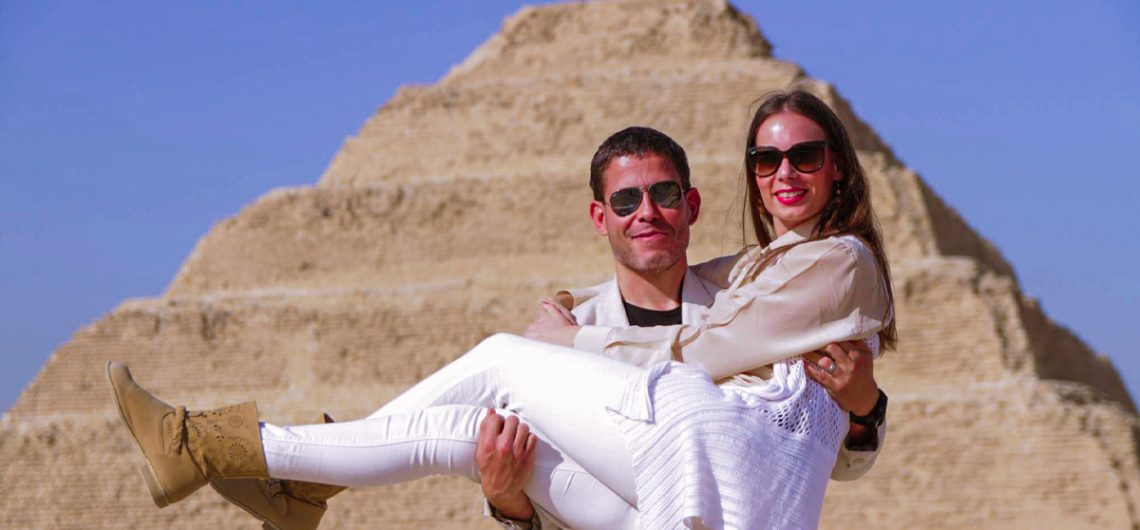
Egypt in July offers a unique opportunity to experience one of the world’s most fascinating destinations with fewer crowds, excellent travel deals, and unforgettable historical adventures. While July is one of the hottest months of the year, experienced travelers know that Egypt’s dry climate, world-class resorts, air-conditioned transportation, and carefully planned sightseeing schedules make it possible to enjoy an incredible vacation.

If you are considering visiting Egypt in July 2026, this guide will help you understand everything you need to know before booking your trip. From weather conditions and what to wear to the best places to visit, Nile cruises, Red Sea vacations, travel costs, and expert local advice, you’ll find everything needed to plan a successful Egyptian summer holiday.

Many travelers initially hesitate when they hear about summer temperatures. However, Egypt in July comes with significant advantages. Hotels often offer attractive rates, famous attractions are less crowded, and sunrise and sunset visits to ancient sites create some of the most magical travel experiences imaginable.

Whether you dream of exploring the Great Pyramids of Giza, sailing along the Nile River, relaxing on the beaches of Hurghada, or discovering the treasures of Luxor and Aswan, July can be an excellent time to visit when planned correctly.

Is Egypt in July Worth Visiting in 2026?

The simple answer is yes. Egypt in July can be an outstanding travel experience for visitors who prepare properly for the summer climate. Unlike many tropical destinations that suffer from humidity and frequent rain, Egypt enjoys a dry desert climate that makes the heat more manageable than many travelers expect.

One of the biggest advantages of visiting Egypt in July is the reduced number of tourists at major attractions. During the peak winter season, iconic landmarks such as the Pyramids of Giza, Karnak Temple, and the Valley of the Kings can become crowded. In July, visitors often enjoy a more relaxed atmosphere and better opportunities for photography.

Another important benefit is value for money. Many hotels, Nile cruises, and tour operators provide competitive summer pricing. Travelers can often book luxury accommodations and premium experiences at significantly lower rates compared to the winter high season.

July is particularly attractive for travelers who combine cultural sightseeing with a Red Sea beach holiday. Destinations such as Hurghada, El Gouna, Marsa Alam, and Sharm El Sheikh offer beautiful beaches, world-class diving, and luxurious resorts where guests can relax after exploring Egypt’s ancient wonders.

The key to enjoying Egypt in July is timing. Most experienced tour operators schedule outdoor visits early in the morning and later in the afternoon, avoiding the hottest part of the day. This approach allows travelers to experience Egypt comfortably while maximizing their sightseeing opportunities.

Weather in Egypt in July 2026

Understanding the weather is essential when planning a trip to Egypt in July. July falls in the heart of Egypt’s summer season, bringing warm temperatures throughout the country.

Destination Average Day Temperature Average Night Temperature
Cairo 36°C – 39°C 24°C – 27°C
Luxor 41°C – 45°C 26°C – 29°C
Aswan 42°C – 46°C 27°C – 30°C
Hurghada 34°C – 38°C 26°C – 28°C
Sharm El Sheikh 35°C – 38°C 27°C – 29°C
Alexandria 30°C – 33°C 23°C – 26°C

Despite these temperatures, Egypt’s low humidity levels make outdoor activities more comfortable than visitors often anticipate. Early mornings are particularly pleasant and provide ideal conditions for exploring archaeological sites.

Rain is extremely rare in July, ensuring uninterrupted sightseeing throughout your trip. Travelers can confidently plan outdoor excursions without worrying about weather disruptions.

Travel Tip: Schedule major sightseeing tours between sunrise and late morning. Many of Egypt’s most famous attractions are at their most beautiful during the early hours of the day.

What to Wear in Egypt in July

Choosing the right clothing can dramatically improve your travel experience. The best approach is to pack lightweight, breathable, and comfortable clothing designed for hot weather.

Natural fabrics such as cotton and linen are highly recommended. They allow airflow, absorb moisture effectively, and help keep your body cool throughout the day.

Recommended Clothing for Egypt in July

Item Recommendation
Linen shirts Excellent for sightseeing
Cotton T-shirts Ideal for daily wear
Lightweight trousers Comfortable and culturally appropriate
Long skirts or dresses Great for female travelers
Comfortable walking shoes Essential for archaeological sites
Sun hat Highly recommended
Sunglasses Must-have item
Light scarf Useful for mosques and sun protection

While beachwear is perfectly acceptable at resorts, modest clothing is appreciated when visiting religious sites and traditional areas.

Best Places to Visit in Egypt in July

July offers excellent opportunities to explore Egypt’s most famous attractions. The key is selecting destinations that match your travel interests and itinerary.

The Pyramids of Giza

No trip to Egypt is complete without visiting the Great Pyramids. Arriving early in the morning allows visitors to enjoy cooler temperatures and exceptional photography opportunities.

The Grand Egyptian Museum

The Grand Egyptian Museum is one of the most impressive cultural attractions in the world. Its modern facilities and climate-controlled environment make it an ideal destination during summer.

Luxor

Often called the world’s greatest open-air museum, Luxor is home to Karnak Temple, Luxor Temple, and the Valley of the Kings. Early morning tours provide the best experience during July.

Aswan

Aswan offers stunning Nile scenery, beautiful islands, and iconic attractions such as Philae Temple and Abu Simbel.

Alexandria

Located on the Mediterranean coast, Alexandria enjoys cooler temperatures than Upper Egypt and provides a refreshing change of pace.

Hurghada and the Red Sea

Hurghada is one of the best destinations in Egypt in July. Crystal-clear waters, luxury resorts, snorkeling, diving, and water sports make it perfect for summer travelers.

Nile Cruise in Egypt in July

A Nile cruise remains one of the most popular experiences in Egypt. Many travelers assume cruises are unsuitable during summer, but modern Nile cruise ships are equipped with air conditioning, swimming pools, and comfortable facilities.

Most excursions from Nile cruises begin early in the morning before temperatures reach their peak. This scheduling allows travelers to enjoy famous attractions while remaining comfortable.

The journey between Luxor and Aswan offers breathtaking views of traditional villages, agricultural landscapes, and timeless Nile scenery.

Summer promotions often make July one of the most affordable times to enjoy a luxury Nile cruise experience.

Red Sea Holidays in Egypt in July

If your goal is combining culture with relaxation, a Red Sea holiday is an excellent addition to your itinerary.

Hurghada, El Gouna, Marsa Alam, and Sharm El Sheikh offer world-class resorts and some of the best diving sites on the planet. The Red Sea remains warm, clear, and ideal for swimming throughout July.

Popular activities include:

  • Snorkeling trips
  • Scuba diving adventures
  • Boat excursions
  • Desert safaris
  • Parasailing
  • Jet skiing
  • Luxury beach relaxation

Many travelers choose a combination itinerary featuring Cairo, a Nile cruise, and several days at a Red Sea resort.

How Much Does a Trip to Egypt in July Cost?

One of the strongest advantages of visiting Egypt in July is affordability.

Travel Category Average Cost
Budget Traveler $50-$100 per day
Mid-Range Traveler $120-$250 per day
Luxury Traveler $300-$800+ per day

Compared with peak winter months, travelers can often save significantly on accommodations and tour packages.

Luxury hotels that may be fully booked during winter often have better availability and attractive promotions in July.

Travel Tips for Egypt in July 2026

  • Drink plenty of bottled water.
  • Use high-SPF sunscreen.
  • Wear a hat whenever outdoors.
  • Plan sightseeing early in the day.
  • Take breaks in air-conditioned venues.
  • Carry sunglasses at all times.
  • Book guided tours for a smoother experience.
  • Choose hotels with swimming pools.
  • Pack lightweight clothing.
  • Use comfortable walking shoes.

Following these simple tips can transform your summer holiday into a comfortable and enjoyable adventure.

Frequently Asked Questions About Egypt in July

Is Egypt too hot in July?

Egypt is hot in July, especially in Luxor and Aswan, but proper planning, early sightseeing schedules, and modern facilities make travel enjoyable.

Is July a good time for a Nile cruise?

Yes. Nile cruises operate throughout July and often offer attractive summer rates.

Can you visit the Pyramids in July?

Absolutely. Early morning visits are highly recommended for the best experience.

What is the best destination in Egypt in July?

Many travelers combine Cairo, Luxor, Aswan, and a Red Sea resort such as Hurghada for a balanced itinerary.

Is Egypt crowded in July?

No. July generally sees fewer international visitors compared with the peak winter season.

Why Egypt in July Can Be the Perfect Summer Vacation

Egypt in July offers a combination of ancient history, stunning beaches, luxurious resorts, world-famous landmarks, and excellent travel value. While temperatures are higher than during winter, travelers who plan their itineraries wisely often discover that summer provides a more relaxed and rewarding experience.

From the magnificent Pyramids of Giza and the treasures of the Grand Egyptian Museum to unforgettable Nile cruises and Red Sea adventures, Egypt delivers experiences that remain unforgettable long after your journey ends.

If you are planning your Egypt vacation for 2026, July may be the ideal opportunity to enjoy lower prices, fewer crowds, and extraordinary memories while exploring one of the world’s most fascinating destinations.

Ready to explore Egypt in July 2026? Contact our Egypt travel specialists today and let us create the perfect customized itinerary including Cairo, Luxor, Aswan, Nile cruises, and Red Sea resorts.

What to Pack for Egypt in Every Season is one of the most searched questions by travellers planning their first — or even their fifth — trip to the land of the pharaohs. And for good reason. Egypt wears many faces across the calendar year: scorching desert summers, surprisingly cool winters, and two brief but beautiful shoulder seasons in between. Pack wrong, and you will spend half your trip hunting for things you forgot or sweating through clothes that were never right for the climate.

This guide is built for travellers who want to get it right the first time. Whether you are standing at the Pyramids of Giza in July, sailing a felucca on the Nile in January, or exploring the temples of Luxor during the spring bloom, what you carry in your suitcase will shape your entire experience. We have built a season-by-season, destination-aware packing guide covering clothing, accessories, health essentials, and insider tips most travel guides skip entirely.

If you are currently planning a trip and want expert help with your itinerary, hotel bookings, and Nile cruise, our team at Egypt via travel is ready to build your perfect Egypt tour package for 2026. Let this guide be your starting point.

Understanding Egypt’s Climate Before You Pack in 2026

Before diving into what to pack season by season, it helps to understand how Egypt’s climate actually works. Egypt is largely a desert country, which means it does not follow the four-season pattern travellers from Europe or North America might expect. The Nile Valley and the Delta in the north enjoy slightly more moderate temperatures than the deep south around Luxor, Aswan, and Abu Simbel.

In broad terms, Egypt has two dominant seasons: a long, intensely hot summer running roughly from May through September, and a milder, cooler winter from November through February. Spring and autumn are short transitional windows that many experienced travellers consider the best time to visit — warm without being brutal, and thinner crowds at major archaeological sites.

Coastal destinations like Hurghada and Sharm El Sheikh stay warm even in winter, making them popular year-round beach destinations. The Sinai Peninsula can get genuinely cold at night during winter, especially around St. Catherine’s Monastery. The Nile Delta occasionally experiences the Khamaseen — hot, dust-laden desert winds that blow in between March and May — making spring packing slightly more specialised.

Egypt Season & Temperature Quick-Reference Table 2026

Season Months Cairo Temp (°C) Luxor / Aswan Temp (°C) Best For
Summer June – August 33–40°C 38–45°C Thin crowds, low prices, Red Sea resorts
Autumn September – November 24–34°C 28–38°C Best all-round conditions, Nile cruises
Winter December – February 12–22°C 18–28°C Sightseeing, Nile cruises, peak season
Spring March – May 20–35°C 25–40°C Photography, shoulder season value

Understanding these regional differences is the foundation of smart packing. A single list will not cover a week in Cairo, a Nile cruise to Aswan, and a dive trip to Dahab. Read on — we break it all down by season, destination, and trip type.

What to Pack for Egypt in Summer 2026 — June, July, and August

Summer in Egypt is not for the faint-hearted. Temperatures in Luxor and Aswan regularly climb above 40°C (104°F) in July and August, and even Cairo hovers in the mid-to-high 30s through most of the summer. The heat is dry, which makes it slightly more bearable than tropical humidity — but it is relentless from mid-morning until well after sunset.

Despite this, summer is a viable and rewarding time to visit. Tourist crowds at major sites thin out considerably, and tour operators offer reduced rates on Nile cruises and hotel packages. The key is to pack with the heat as your absolute primary concern and plan sightseeing for early mornings and late evenings. Sunrise at the Valley of the Kings in June, with almost no other visitors, is a genuinely extraordinary experience.

Lightweight, loose-fitting, and light-coloured clothing should form the backbone of your summer wardrobe. Natural fabrics like linen and cotton are far superior to synthetics in desert heat — they breathe properly and wick sweat away from the skin. Pale neutrals like white, beige, sand, and light grey are both practical and culturally appropriate.

Long-sleeved shirts and trousers made from thin, breathable fabric serve a dual purpose: they protect your skin from the sun while respecting Egypt’s cultural dress codes. While Egypt is not as strictly conservative as some of its regional neighbours, dressing modestly — especially when visiting mosques, temples, and rural communities — earns genuine warmth from local people.

Summer Packing List — Egypt 2026

Item Quantity Notes
Lightweight linen or cotton shirts (long-sleeved) 5–7 Light colours only — dark absorbs heat
Lightweight trousers or wide-leg pants 2–3 pairs Linen or cotton — avoid jeans entirely
Shorts 1 pair For resorts and pool areas only
Breathable walking shoes 1 pair Closed-toe with mesh uppers — not flip-flops
Comfortable sandals 1 pair For evenings and resort areas
Wide-brimmed hat 1 UV-rated (UPF 50+) essential
Sunscreen SPF 50+ Bring plenty Expensive and hard to find locally
UV-blocking sunglasses 1 pair Wraparound or large frame preferred
Insulated reusable water bottle (1L+) 1 Non-negotiable in summer heat
Oral rehydration sachets 10–15 Dehydration risk is real — pack these
Light cotton scarf or shawl 1–2 Sun shield, mosque cover, dust barrier
Dustproof pouches for electronics 2–3 Fine sand damages cameras and phones
Portable battery-powered misting fan 1 A genuine game-changer at outdoor sites

💡 Pro Tip: Avoid flip-flops as your primary walking shoe in summer. Archaeological sites involve walking on uneven stone, sand, and rubble under intense heat. Closed sandals with ankle support or lightweight trail shoes will protect your feet — and your trip.

What to Pack for Egypt in Winter 2026 — December, January, and February

Egypt in winter surprises most travellers. People arrive expecting constant desert heat and step off the plane into temperatures that, in Cairo, can drop to 10–15°C (50–59°F) at night. Daytime temperatures in the capital hover around 18–22°C — pleasant for sightseeing, but cool enough to need an extra layer in the mornings and evenings. Further south in Luxor and Aswan, days are warmer (around 24–28°C), but nights still feel noticeably cool by Egyptian standards.

Winter is widely regarded as the best season to visit Egypt for sightseeing. The heat is completely manageable, the light is softer and more photogenic, and the country comes alive with domestic and international tourism. The Nile cruise season peaks between November and February, and you will find the widest selection of cruise options — from budget dahabiya sailboats to five-star floating hotels — operating on full schedules.

Layering is your best strategy for winter. The temperature difference between midday and midnight can be as much as 15°C, so you need clothing that adapts throughout the day. If you are planning to hike up Mount Sinai to watch the sunrise — one of Egypt’s most magnificent experiences — be aware that summit temperatures in winter can drop below freezing.

Winter Packing List — Egypt 2026

Item Quantity Notes
Lightweight long-sleeved base layer shirts 3–4 Merino wool or cotton — versatile for layering
Mid-layer fleece or light knit jumper 1–2 Essential for Nile cruise evenings
Wind-resistant light jacket 1 For open Nile decks and desert sites at dawn
Smart-casual trousers 2–3 pairs Required for cruise dining rooms
Comfortable jeans 1 pair Useful for casual city days in Cairo
Sturdy walking shoes or ankle boots 1 pair Prioritise comfort over style
Smart shoes or ballet flats 1 pair For evenings on board or at restaurants
Pashmina or large wrap scarf 1 Cover for shoulders, warmth, mosque visits
Light gloves + thermal underlayers 1 set If hiking Mount Sinai — non-negotiable
Sunscreen SPF 30 Bring enough Winter sun is still intense outdoors
SPF lip balm 2 Dry desert air dries lips fast
Hand cream 1 Dry winter air is tough on skin
Compact daypack (15–20L) 1 For site visits and day excursions

💡 Pro Tip: Do not let moderate winter temperatures fool you into skipping sun protection. At open-air sites like the Karnak Temple complex or the Pyramids of Giza, you will spend hours under direct exposure. A wide-brimmed hat is still useful in December and January.

What to Pack for Egypt in Spring 2026 — March, April, and May

Spring is a season of contrast in Egypt. March often feels like a continuation of mild winter, with pleasant temperatures and clear skies. By April, the mercury begins to climb noticeably, and May in Upper Egypt (Luxor and Aswan) can already feel like summer, with temperatures pushing into the high 30s. This variability makes spring one of the most interesting — and slightly tricky — seasons to pack for.

There is one significant weather event unique to spring in Egypt: the Khamaseen winds. These hot, dust-laden desert winds sweep across the country, typically between March and May, and can arrive with very little warning. Within hours, blue skies turn a sandy orange, visibility drops, and everything — your hair, clothes, camera equipment — gets coated in fine dust. Packing for the Khamaseen is not optional if you are travelling in spring.

Spring is also the season when Egypt’s wildflowers briefly bloom along the Nile banks and in the Sinai highlands — a genuinely beautiful sight that most travellers never know to look for. The angle of the sun in spring creates extraordinary golden-hour photography at Abu Simbel, Philae Temple, and the Step Pyramid of Saqqara.

Spring Packing List — Egypt 2026

Item Quantity Notes
Short and long-sleeved lightweight shirts Mix of 6 Temperature varies greatly morning to afternoon
Lightweight cardigans or zip-up hoodies 1–2 For cooler March mornings
Convertible zip-off trousers 2 pairs Excellent for variable spring temperatures
Comfortable walking shoes 1 pair Well broken-in before travel
Sandals 1 pair For afternoons and evenings
Wide-brimmed hat 1 April and May sun is strong
Buff neck gaiter or lightweight face scarf 1–2 Essential for Khamaseen wind protection
Resealable waterproof bags for electronics 3–5 Sand from Khamaseen destroys unprotected devices
Sunscreen SPF 50 Bring plenty UV intensity rises sharply by April
Antihistamine tablets One course Spring dust and pollen trigger allergies
Saline nasal spray 1 Flushes out fine desert particulates
Moisturising eye drops 1 Dust and dry air dry eyes quickly
Lens cloth and dust brush (for camera) 2 each Change lenses indoors only in spring

💡 Pro Tip: A well-fitted buff neck gaiter is possibly the most underrated item on any spring Egypt packing list. It shields your mouth, nose, and eyes during a Khamaseen dust storm and also doubles as a sun shield and mosque head cover. Pack two.

What to Pack for Egypt in Autumn 2026 — September, October, and November

Autumn is perhaps the most rewarding season to visit Egypt, and it is becoming increasingly popular with experienced travellers who have learned to time their trips wisely. September still carries summer heat — particularly in the south — but by October temperatures drop into a very comfortable range: warm and sunny without the oppressive intensity of peak summer. November is genuinely glorious, with clear blue skies and ideal conditions for walking through open-air archaeological sites.

Autumn travellers often find the best combination of manageable weather, strong availability at top hotels and Nile cruise operators, and slightly lower prices than the peak winter months. October and November in particular represent what many Egypt travel specialists call the “sweet spot” of the year.

Autumn is also the ideal season for activities that summer heat makes uncomfortable: hot air balloon rides over the Valley of the Kings at dawn, camel treks into the Western Desert oases, multi-day Nile sailboat trips on traditional dahabiyas, and long walks through the sprawling open-air museum of Luxor’s East Bank.

Autumn Packing List — Egypt 2026

Item Quantity Notes
Lightweight shirts (short + long-sleeved mix) 6 September still needs full summer kit
Light jacket or fleece 1 Essential for November evenings
Versatile trousers 2–3 pairs Suitable for both temples and restaurants
Comfortable walking shoes (well broken-in) 1 pair Long walks at autumn sites are the highlight
Sandals 1 pair For casual use and evenings
Wide-brimmed hat 1 Essential for September and October
Sunscreen SPF 50 (Sept/Oct) / SPF 30 (Nov) Enough for trip Autumn sun remains strong at monument sites
Light cotton scarf 1–2 Site visits and cooler evenings
Light jacket for balloon flight 1 Dawn launches are noticeably cooler at altitude
Compact daypack 1 For site excursions and day trips
Camera accessories + lens cloth Full kit Autumn light in Egypt is exceptional
Small first aid kit with blister plasters 1 Long walking days require foot care

💡 Pro Tip: If your autumn itinerary includes a hot air balloon flight over Luxor — and we strongly recommend it — pack a light jacket specifically for the flight. Dawn launches mean altitude temperatures are significantly cooler than on the ground. Landing fields can also be in remote agricultural areas, so wear shoes you do not mind getting dusty.

Essential Items to Pack for Egypt Regardless of Season in 2026

Beyond the season-specific lists above, every traveller to Egypt needs a core set of non-negotiables that apply year-round. These are the items experienced Egypt travellers always pack — and always wish they had packed more of when they run short.

Health and Hygiene Essentials

Egypt’s tap water is not safe to drink. This is a consistent fact across all regions and all seasons. Always drink bottled water and use it when brushing your teeth. Carry a reusable water bottle that you fill from larger purchased bottles — this reduces plastic waste and saves money over small bottles bought on the go.

Stomach upsets are the most common health issue for first-time Egypt visitors. Pack oral rehydration salts, anti-diarrheal medication, and general antibiotics if your doctor recommends them. Probiotics taken starting one week before your trip can help prepare your gut. Wash hands thoroughly before eating, and be selective with street food in the first day or two while your stomach adjusts.

Pack more sunscreen than you think you need. Quality SPF products are difficult to find and expensive in Egypt, particularly outside Cairo. Mineral sunscreen with zinc oxide is preferable for long field days. Apply to the backs of your hands, the tops of your feet in sandals, and the back of your neck — areas travellers consistently miss.

Universal Egypt Packing Checklist 2026

Category Item Notes
Documents Valid passport (6+ months validity) Check expiry before booking flights
Documents Egypt e-Visa printout or confirmation Apply minimum 2 weeks before travel
Documents Travel insurance documents Medical evacuation cover essential
Documents Photocopies of all key documents Stored separately from originals
Electronics Universal power adapter (Type C/F) Egypt uses 220V two-pin plugs
Electronics Portable power bank (10,000 mAh+) Essential for full days at remote sites
Electronics Headlamp or compact flashlight Pyramid chambers and tombs are dimly lit
Health Reusable water bottle Minimum 1 litre capacity
Health Hand sanitiser and antibacterial wipes Facilities at remote sites are limited
Health Small first aid kit Include blister plasters and antiseptic
Health Prescription medications with copies Bring full supply — local availability varies
Health Insect repellent Nile Delta and felucca trips especially
Money Money belt or hidden travel wallet For passport, cards, and bulk cash
Money Small Egyptian pound notes (EGP 5–20) Baksheesh tipping — always carry small bills
Practical Comfortable daypack (15–20L) Separate from main luggage
Practical Wet wipes Invaluable at dusty sites far from facilities
Practical Ziplock bags in multiple sizes For cameras, wet swimwear, snacks
Practical Packing cubes Compress clothing and keep bags organised
Practical Foldable tote bag For market shopping — Egypt’s bazaars are irresistible

💡 Pro Tip: A small but powerful headlamp is invaluable for Egypt travel. Many tombs in the Valley of the Kings, the catacombs of Alexandria, and pyramid chambers have limited artificial lighting. It also comes in handy during power outages — which occasionally occur even in well-developed tourist areas.

What to Wear at Specific Egypt Destinations in 2026

Different destinations within Egypt have different dress expectations. Packing appropriately for each will make your experience significantly smoother and more enjoyable — and in some cases will determine whether you are allowed entry to certain sites at all.

Dress Code Quick-Reference by Destination

Destination Dress Standard Key Notes
Cairo — Islamic sites Modest / Conservative Covered shoulders, knees. Women cover hair at mosques. Slip-on shoes for mosque entry.
Cairo — Modern districts Smart casual Zamalek and Maadi are relaxed. Still avoid very revealing clothing.
Nile Cruise — Daytime Modest casual Comfortable clothing for temple sites. Covered shoulders and knees for all temple visits.
Nile Cruise — Evenings Smart casual to semi-formal Many 5-star vessels have formal/theme nights. Pack at least one smart outfit.
Luxor / Aswan Temples Modest casual Lightweight but covering. Scarves required at some mosque sites.
Red Sea Resorts Resort casual Beachwear at pool and beach. Cover up in town, restaurants away from resort.
Sinai — St. Catherine’s Modest + warm layers Cold at altitude in winter. Covered clothing required at the monastery.
Desert Camping Practical layers Extreme temperature swings. Warm jacket essential even in summer.
Khan el-Khalili Bazaar Modest casual Comfortable shoes for cobblestones. Money belt recommended.

💡 Pro Tip: Wear slip-on shoes whenever your itinerary includes mosque visits. Removing lace-up boots at the entrance to Al-Azhar Mosque while a group of 30 fellow visitors waits behind you is an experience worth avoiding.

Photography Gear and Electronics Packing Tips for Egypt in 2026

Egypt is one of the most photographically extraordinary countries on earth. The monuments are iconic, and the light — particularly the golden hour at Abu Simbel or the blue hour along the Nile at Aswan — is unlike anything you will encounter elsewhere. Packing your photography equipment thoughtfully pays dividends throughout your trip.

A mirrorless camera or high-quality DSLR will give you the best results at ancient sites, many of which have specific lighting challenges — deep shade in hypostyle halls, or bright open-sky contrast at the Pyramids. If you shoot primarily with a smartphone, a clip-on wide-angle lens adaptor significantly improves interior shots inside tombs and temples. Bring extra memory cards — Egypt’s markets sell them, but quality is inconsistent.

Photography Gear Packing Table — Egypt 2026

Item Essential / Optional Notes
Camera body (mirrorless or DSLR) Essential Keep in a dustproof silica gel bag between shots
Wide-angle lens (16–35mm) Essential Best for temple interiors and landscape panoramas
Telephoto lens (70–200mm) Optional Great for wildlife on Nile, hieroglyph close-ups
Extra memory cards Essential Bring 2–3 cards from home — local quality varies
Extra camera batteries + charger Essential Hot temperatures drain batteries faster
Microfibre lens cloths Essential Dust gets on lenses constantly
Soft dust brush for sensor Essential Never change lenses outdoors in desert conditions
Polarising filter Recommended Cuts glare dramatically at outdoor sites
Lightweight travel tripod Optional Check site rules — tripods banned at many tombs
Smartphone clip-on wide-angle lens Optional Useful upgrade for phone-only photographers
Dustproof dry bags for all gear Essential Spring travel especially — Khamaseen destroys equipment

💡 Pro Tip: Drone pilots face strict regulations in Egypt in 2026. Commercial and recreational drone flights require prior permits from multiple government agencies and are prohibited near archaeological sites, military zones, and many urban areas. The permit process is complex and time-consuming — if you are uncertain, leave the drone at home to avoid equipment confiscation at customs.

What NOT to Pack for Egypt — Common Mistakes to Avoid in 2026

Knowing what to leave behind is just as important as knowing what to bring. Egypt travellers consistently make the same packing mistakes — and a few of them can cause genuine problems at the border or throughout the trip.

Do NOT Pack Why Alternative
Alcohol to import personally Technically illegal to import; customs complications Purchase from duty-free shop at Cairo Airport on arrival
Expensive or sentimental jewellery Creates unnecessary theft risk Leave at home — modest accessories are better
An overstuffed suitcase Egypt does not require many outfits — over-packing limits flexibility Roll, do not fold. Use packing cubes.
Only originals of key documents Losing your passport in Egypt is stressful without a photocopy Carry photocopies + digital cloud backup separately
Large denomination currency only Tipping culture (baksheesh) requires small EGP notes constantly Break large bills at first opportunity; carry EGP 5–20 notes
Flip-flops as primary walking shoe Archaeological sites are uneven — injuries are common Closed sandals with ankle support or lightweight trail shoes
Dark-coloured summer clothing Absorbs heat in summer — uncomfortable and dangerous Light neutrals: white, beige, sand, light grey
A drone (without permits) Confiscation at customs; banned at archaeological sites Leave home unless all 2026 permits are confirmed in advance

💡 Pro Tip: Always leave one day’s outfit, your medications, your phone charger, and photocopies of your key documents in your carry-on bag. Checked luggage occasionally goes astray on international flights to Egypt. If your main bag is delayed, your first day — possibly at the Pyramids — is not ruined.

Packing for Different Types of Egypt Trips in 2026

Your Egypt packing list should reflect the type of trip you are taking. A Nile cruise itinerary has different requirements from a Cairo city break, a Red Sea dive holiday, or a Western Desert safari. Here is a quick breakdown by trip type to help you refine your list.

Trip Type Key Packing Priorities Do Not Forget
Nile Cruise Modest daywear for temples, smart casual for evenings on board One smart outfit for dinner nights; seasickness remedies
Cairo City Break Comfortable walking shoes, smart casual mix, small under-arm bag Money belt for Khan el-Khalili; comfortable shoes are critical
Red Sea Diving / Snorkelling Own mask, fins, wetsuit (3mm year-round / 5mm for winter) Reef-safe sunscreen only — many operators now require it
Desert Adventure / Camping Extreme layering system, sleeping bag (rated to 5°C+), headlamp Personal locator beacon if hiking independently; dry bags for electronics
Luxury Tour / Private Experience Elevated smart casual wardrobe for 5-star hotels and private guides At least 2 formal evening outfits for gala dinners and special events
Family Trip with Children Children’s sun protection is top priority; familiar snacks from home Paediatric rehydration sachets; compact folding stroller for younger children
Honeymoon Elevated wardrobe, romantic evening pieces, photography equipment Pack a light wrap or shawl for spontaneous sunset moments

💡 Pro Tip: For Red Sea diving and snorkelling, bring your own mask if you can. Rental masks at even reputable dive centres never fit as well as your own, and a good seal is the difference between a comfortable dive and 60 minutes of mask-clearing and frustration underwater.

Final Packing Tips and How to Book Your Egypt Tour for 2026

A few final thoughts from travellers who have spent years exploring Egypt across all seasons and all corners of this magnificent country.

Roll, do not fold. Rolling clothing is a proven space-saving technique that also reduces creasing. Combine this with packing cubes — lightweight fabric organisers that compress clothes and keep categories sorted — and you can fit significantly more into a standard cabin-size bag than you might expect.

Buy your cotton products locally. Egypt produces some of the finest cotton in the world, and the markets of Cairo, Alexandria, and Luxor sell beautiful lightweight cotton shirts, scarves, and kaftans at excellent prices. Budget space in your suitcase for shopping, or pack a foldable tote bag that doubles as an overflow carry-on for the journey home.

Respect the culture through your clothing choices. Egypt is a country with deep traditions and genuine pride in its identity. Travellers who dress thoughtfully — covered shoulders and modest hemlines, not in head-to-toe robes — are consistently treated with greater warmth by local people. This genuinely enriches the entire travel experience in ways that are difficult to measure but easy to feel.

Pre-Departure Packing Checklist — Final Review

Final Check Done?
Passport valid for 6+ months beyond travel dates
Egypt e-Visa applied for and confirmed
Travel insurance purchased with medical evacuation cover
Photocopies of all documents + digital cloud backup
One day’s outfit + medications + charger in carry-on bag
Sunscreen SPF 50+ packed in sufficient quantity
Season-appropriate clothing packed per guide above
Modest cover items: scarf, shawl, or cardigan packed
Electronics in dustproof pouches or dry bags
Small EGP notes sourced or planned for on arrival
Power adapter (Type C/F, 220V) packed
Bank notified of travel dates to prevent card blocks

💡 Pro Tip: Egypt rewards travellers who prepare thoughtfully. The ancient sites, the Nile, the desert, the Red Sea — all of it becomes more enjoyable when you are not fighting the heat in the wrong clothes or hunting for a pharmacy because you forgot your medication. A well-packed bag is the foundation of a great Egypt trip.

Ready to Plan Your Egypt Trip for 2026?

Now that you know exactly what to pack for Egypt in every season, the next step is building the perfect itinerary. At Egypt via travel, we specialise in creating tailor-made Egypt tours for travellers from around the world. Whether you want a classic Cairo and Nile cruise package, an adventure through the Western Desert oases, a diving holiday on the Red Sea, or a comprehensive Egypt experience that covers it all — we handle every detail so you can focus entirely on the journey.

Our team of Egypt travel experts is available to answer your questions, build your custom itinerary, arrange airport transfers and hotel bookings, and ensure that your 2026 Egypt trip is everything you have imagined. Small group tours, private tours, honeymoon packages, family-friendly itineraries — we do it all.

Contact us today to start planning your Egypt adventure. The pyramids have been waiting 4,500 years. Your perfect packing list is ready. The only thing missing now is you.

Egypt travel costs are one of the very first things travellers search for before booking a trip — and for good reason. Knowing exactly how much a trip to Egypt will cost you in 2026 is the difference between a relaxed, enjoyable holiday and a stressful experience. Whether you are a backpacker on a tight budget, a mid-range explorer, or someone who wants full luxury from the moment you land at Cairo International Airport, Egypt has a price point that fits almost every wallet.

This guide breaks down every major cost category — flights, hotels, food, transport, entry fees, and tours — so you can plan with complete confidence. You will find real-world pricing figures updated for 2026, practical money-saving tips, and clear advice on how to make the most of every dollar, pound, or euro you spend in Egypt.

The information here comes from years of on-the-ground experience organising tours across Egypt — from the ancient temples of Luxor and Aswan to the Red Sea beaches of Hurghada and the breathtaking landscapes of the Sinai Peninsula. Think of this as the Egypt trip budget guide you wish you had found first.

How Much Does a Trip to Egypt Cost in 2026? A Quick Overview

Egypt remains one of the most affordable travel destinations in the world relative to what it offers — 7,000 years of recorded history, world-famous monuments, stunning desert landscapes, and pristine Red Sea coastline, all at a fraction of the price of Europe or North America.

Here is a broad snapshot of daily budget ranges for travellers in 2026:

Traveller Type Estimated Daily Cost (USD)
Budget Traveller (hostels, local food, public transport) $30 – $50 per day
Mid-Range Traveller (3-star hotels, mix of restaurants) $80 – $150 per day
Luxury Traveller (5-star hotels, private tours, fine dining) $250 – $600+ per day
All-Inclusive Package Tour (per person, 7 nights) $900 – $2,500

These figures cover accommodation, food, local transport, and entrance fees — but not international flights. The Egyptian pound (EGP) exchange rate in 2026 continues to work strongly in favour of visitors from the US, UK, Europe, and the Gulf, making Egypt exceptional value for money.

One of the most common questions we hear is: “Is Egypt cheap to visit?” The honest answer is yes — but your total Egypt vacation cost depends heavily on how you choose to travel. A self-organised backpacker trip will cost very differently to a private guided tour with Nile cruise add-ons.

💡 Pro Tip: Book your Egypt tour package early in 2026 — prices on Nile cruises and Cairo hotels rise significantly from October through March during peak season.

Egypt Flight Costs 2026: How Much Will You Pay to Get There?

International flights are typically the largest single expense in any Egypt travel budget. Cairo International Airport (CAI) is the main hub, though Hurghada (HRG) and Sharm el-Sheikh (SSH) airports also receive many international flights. The cost of flying to Egypt varies depending on your departure city, how far in advance you book, and the time of year.

Route (Return Economy) Estimated Cost (USD)
London to Cairo $350 – $750
New York to Cairo $700 – $1,400
Dubai to Cairo $150 – $400
Paris to Cairo $300 – $700
Sydney to Cairo $1,100 – $2,000

Airlines serving Cairo include EgyptAir, Lufthansa, British Airways, Emirates, and Qatar Airways. Low-cost options are growing, with Wizz Air and Ryanair offering seasonal European routes. The cheapest months to fly are May, June, and September — shoulder seasons with lower fares and fewer crowds at the major sites.

Internal flights from Cairo to Luxor or Aswan cost $60–$180 one-way depending on how early you book. EgyptAir and Air Cairo are the main domestic carriers. Compared to the 10–12 hour overnight train journey, internal flights are time-efficient and reasonably priced for travellers on a tighter schedule.

💡 Pro Tip: Set up fare alerts on Google Flights or Skyscanner at least 3 months before your trip. Egypt flight prices drop considerably when booked 8–12 weeks in advance.

Egypt Accommodation Costs 2026: From Budget Hostels to Luxury Nile Resorts

Accommodation in Egypt ranges from $8-per-night dorm beds in Cairo’s backpacker hostels to $1,000-per-night suites at the Four Seasons Cairo at Nile Plaza or the Marriott Mena House with its direct Pyramids view. Understanding where you fit within this range is key to calculating your accurate Egypt holiday cost.

Budget Accommodation in Egypt

Budget travellers are very well served in Egypt. Cairo, Luxor, Aswan, Dahab, and Siwa all have strong hostel and guesthouse scenes. Expect to pay $8–$20 per night for a dorm bed, or $20–$45 for a private room in a guesthouse. Many include breakfast, free Wi-Fi, and rooftop views — such as the famous rooftop hostels in Cairo’s Islamic district overlooking the Citadel of Saladin.

Mid-Range Hotels in Egypt

A solid 3-star or 4-star hotel in Cairo, Luxor, or Aswan costs $50–$120 per night in 2026. In Hurghada and Sharm el-Sheikh, mid-range all-inclusive resorts are often available for $70–$150 per person per night — outstanding value when unlimited food and drink are included. The cost of hotels in Egypt at this level is consistently lower than equivalent properties in Turkey, Morocco, or southern Europe.

Luxury Hotels and Nile Cruises

Five-star Cairo hotels near the Pyramids of Giza or the Nile Corniche range from $180 to $600+ per night. The Sofitel Cairo Nile El Gezirah, Conrad Cairo, and Marriott Mena House define this category. For Luxor and Aswan, the Old Winter Palace and Sofitel Legend Old Cataract are bucket-list stays that deliver both history and luxury.

A 4-night Nile cruise from Luxor to Aswan costs $350–$700 per person on a standard vessel. Premium cruises by Oberoi, Sanctuary Retreats, or Sonesta range from $900 to $2,500 per person — one of the most iconic and cost-effective ways to experience the temples of Upper Egypt.

💡 Pro Tip: Book your Nile cruise at least 2 months ahead during October–April peak season. Last-minute availability is very limited and prices are significantly higher.

Food and Dining Costs in Egypt 2026: Eat Like a Local or Dine in Style

Food is where Egypt travel costs genuinely surprise you — in the very best way. Whether you grab a koshary bowl from a street vendor for under $1, sit down to a full mezze spread at a local restaurant for $5–$8, or enjoy fine dining on a Nile rooftop for $30–$60, your money stretches remarkably far on food in Egypt.

Food Type Estimated Cost (USD)
Street food meal (koshary, ful, ta’amiya) $0.50 – $2
Local Egyptian restaurant (full meal with drinks) $4 – $10
Mid-range tourist restaurant $10 – $25
Upscale restaurant or hotel dining $30 – $70
Coffee or tea at a local café $0.50 – $2
Fresh juice from a street stall $0.75 – $1.50

Must-try dishes include koshary (Egypt’s beloved street food of lentils, rice, and pasta), ful medames (slow-cooked fava beans), hawawshi (spiced meat in crispy bread), and fresh grilled fish along the Nile or at Red Sea coast restaurants. If you are staying all-inclusive in Hurghada or Sharm el-Sheikh, your food costs are essentially covered in your nightly rate.

Supermarkets like Carrefour, Spinneys, and Seoudi are available in major Egyptian cities. Buying water, snacks, and breakfast items from a supermarket rather than hotel mini-bars can meaningfully reduce your daily food costs over a longer trip.

Egypt Transportation Costs 2026: Getting Around Without Breaking the Budget

Getting around Egypt efficiently and affordably is very achievable in 2026. The country has a well-developed transport network ranging from iconic Nile felucca boats and camel rides near the Pyramids to air-conditioned private cars and fast intercity trains.

Cairo City Transport

Cairo’s metro costs roughly $0.05–$0.15 per journey — essentially free by international standards. It connects key areas including Tahrir Square, Coptic Cairo, and Heliopolis, making it incredibly useful for budget travellers. Uber and Careem taxis are the most reliable option for cross-city journeys, typically costing $3–$8 within Cairo.

Intercity Transport in Egypt

The Egyptian National Railways connects Cairo to Alexandria, Luxor, and Aswan regularly. A first-class air-conditioned sleeper train from Cairo to Luxor or Aswan costs $60–$90 one-way — a classic and atmospheric travel experience. Long-distance GoBus and Superjet coaches to the Red Sea cost $10–$25. A private transfer car from Cairo to Hurghada runs $80–$130 for the full vehicle.

Nile Felucca and Day Boat Costs

No trip to Aswan is complete without a felucca ride on the Nile. A 1–2 hour sunset sail costs $5–$15 per person. An overnight felucca journey from Aswan to Kom Ombo including basic meals costs $25–$50 per person — among the best-value travel experiences anywhere in the world.

💡 Pro Tip: Always agree on felucca and horse carriage prices before you board. Agree on the total price upfront to avoid misunderstandings at the end of the ride.

Egypt Entrance Fees and Sightseeing Costs 2026: What to Budget for the Monuments

Egypt’s ancient monuments charge entrance fees that have increased moderately in recent years as the government reinvests in site preservation. While still very affordable by global standards, it is important to budget accurately — especially if you plan to visit multiple sites across Cairo, Luxor, and Aswan.

Site Entrance Fee 2026 (USD, est.)
Giza Pyramid Complex (general entry) $15 – $20
Inside the Great Pyramid of Khufu (additional) $25 – $35
Egyptian Museum, Cairo $15
Grand Egyptian Museum (GEM), Giza $25 – $35
Karnak Temple Complex, Luxor $12 – $15
Luxor Temple $10 – $12
Valley of the Kings (3 tombs included) $15 – $20
Abu Simbel Temples, Aswan $20 – $25
Philae Temple, Aswan $12 – $15
Kom Ombo Temple $8 – $12
Edfu Temple $8 – $12

A realistic sightseeing budget for the classic Egypt itinerary covering Cairo, Luxor, and Aswan over 10 days would be approximately $150–$250 per person in entrance fees. If visiting on a Nile cruise or guided tour, most fees at the major temple sites are typically included — always confirm this with your travel agency before departing.

💡 Pro Tip: Hiring a licensed Egyptologist guide at Karnak or the Valley of the Kings typically costs $30–$60 for a 2-hour session and completely transforms the experience. Worth every penny.

Egypt Tour Packages Cost 2026: Is a Guided Tour Worth It?

For many travellers, booking an Egypt tour package is the most cost-effective, time-efficient, and stress-free way to experience the country — especially on a first visit. Egypt’s tourism infrastructure can feel overwhelming to self-guided travellers navigating the logistics of flights, hotels, site transfers, and Nile cruise bookings independently.

Tour Package Cost Per Person (USD)
5-Day Cairo & Pyramids Budget Tour $400 – $700
7-Day Classic Egypt – Cairo, Luxor & Aswan (mid-range) $900 – $1,400
10-Day Egypt & Nile Cruise Package (mid-range) $1,400 – $2,200
10-Day Luxury Egypt & Nile Cruise (5-star) $3,000 – $6,000
14-Day Egypt, Jordan & Israel Combo (mid-range) $3,500 – $5,500
Custom Private Egypt Tour (per day) $150 – $350 per day

A guided Egypt tour typically includes accommodation, daily breakfast, all internal transfers, an Egyptologist guide, Nile cruise where applicable, and entrance fees. International flights are usually separate. When you break down the per-day cost of a quality mid-range package, it is often comparable to or cheaper than organising the same trip independently.

Private Egypt tours offer the greatest flexibility — you choose your pace, your hotels, your interests, and your guide. For honeymoon couples, families, or special-interest travellers, a private Egypt tour is often the best investment. Small-group tours strike the ideal balance between value and intimacy for solo travellers and budget-conscious visitors.

💡 Pro Tip: When comparing Egypt tour package prices, always check what is included. Some low-cost operators exclude entrance fees and airport transfers — which can add $200–$400 per person to the final bill.

Egypt Visa Costs and Entry Requirements 2026

Before boarding your flight to Egypt, one of the first costs to budget for is your Egypt visa. The good news is that Egypt makes the visa process straightforward for most nationalities, and the cost is low compared to many other international destinations.

The standard Egypt tourist visa cost in 2026 is $25 USD for a single-entry visa valid for 30 days. A multiple-entry visa is available for $60. Citizens of over 80 countries are eligible for a visa on arrival at Cairo, Hurghada, and Sharm el-Sheikh airports.

The Egypt e-Visa is available online at the official Egypt e-Visa portal and typically takes 3–7 business days to process. Applying in advance is recommended for peak-season travel when airport arrival queues can be long. Travel insurance for a 10–14 day Egypt trip typically costs $30–$80 depending on age and coverage level.

It is worth noting that entry to Sinai-only areas — covering Sharm el-Sheikh, Dahab, and Ras Mohammed National Park — has historically been possible with a free Sinai-only stamp. Travellers wishing to visit Cairo, Luxor, or any sites outside this zone must hold a full visa. Always confirm the current rules with your airline or tour operator before departure.

Hidden Costs and Money-Saving Tips for Egypt Travel in 2026

Even with the best budget planning, Egypt travel has a few hidden costs that catch first-time visitors off guard. Being aware of them in advance means you can budget accurately and avoid unpleasant surprises.

Tipping (Baksheesh) Culture in Egypt

Tipping — known locally as baksheesh — is a deeply embedded part of Egyptian culture and should be factored into your daily Egypt travel budget. Tour guides, drivers, hotel staff, restaurant waiters, felucca captains, and temple guards all expect and deserve a tip. Budget $10–$20 per person per day for tips across all services. On a 10-day trip, set aside approximately $100–$200 per person purely for gratuities.

Currency Exchange and ATM Fees

The Egyptian pound (EGP) is the local currency. Exchange is available at Cairo Airport, banks, authorised exchange offices, and hotels. Avoid unofficial street exchange points. ATMs from Banque Misr, CIB, or HSBC Egypt give the fairest rates. Notify your bank of your travel dates before departure to prevent your card from being blocked on the first withdrawal.

Shopping and Souvenirs

Egypt’s bazaars — particularly Khan el-Khalili in Cairo — are legendary shopping experiences. Budget $50–$150 for souvenirs on a typical trip. Bargaining is expected and part of the fun — initial asking prices in tourist bazaars are typically 2–3 times the final agreed price. Never accept the first figure offered.

  • Carry small-denomination Egyptian pound notes for tips and small purchases
  • Book airport transfers in advance to avoid inflated on-the-spot taxi pricing
  • Visit popular sites early in the morning to beat the heat and tour group crowds
  • Purchase a local SIM card (Vodafone Egypt, Orange, or We) — a 30-day data package costs $5–$10
  • Buy water and snacks from supermarkets like Carrefour rather than hotel mini-bars

Best Time to Visit Egypt in 2026 and How It Affects Your Travel Costs

The time of year you visit Egypt has a direct and significant impact on your Egypt travel costs — from flights and hotels to tour package prices and the overall quality of your experience.

October through April is peak tourist season in Egypt. The weather is at its most comfortable — warm and dry with cooler evenings — making sightseeing at outdoor monuments genuinely enjoyable. Hotel rates, Nile cruise prices, and tour packages all command a premium during this period, particularly around Christmas, New Year, and Easter.

May, June, and September are the sweet spot for budget-conscious travellers in 2026. Tourist crowds thin noticeably, airlines drop their fares, and hotels offer better rates. The heat in southern Egypt (Luxor and Aswan) can reach 40°C in June and July — but with early morning starts and air-conditioned transport, summer visits are entirely manageable.

July and August are ideal for Red Sea resort stays in Hurghada and Sharm el-Sheikh — warm seas, excellent diving visibility, and competitive all-inclusive resort prices. Beach and water activities are not affected by the heat in the same way as desert sightseeing.

Ramadan brings its own rhythm to travel in Egypt. Evenings come alive with a uniquely festive atmosphere, and travel during this period can be deeply memorable with some flexibility around meal times and activity schedules.

💡 Pro Tip: If travelling in peak season (November–March), book everything at least 3–4 months in advance. Egypt’s best Nile cruises and hotels sell out fast during this period.

Sample Egypt Trip Cost Breakdowns for 2026

Here are three complete Egypt trip cost breakdowns for different types of travellers — all based on real 2026 pricing — to give you a reliable starting point for your own budget planning.

Budget Egypt Trip — 10 Days, Solo Traveller

Expense Cost (USD)
Return flight (London to Cairo) $420
Accommodation (hostels & guesthouses) $280
Food & drink $150
Internal transport (train, bus, metro) $80
Entrance fees & sightseeing $160
Nile felucca overnight (Aswan) $45
Tips (baksheesh) $100
Visa & travel insurance $60
Souvenirs & miscellaneous $80
TOTAL ESTIMATED COST $1,375

Mid-Range Egypt Tour Package — 10 Days, Couple

Expense Cost (USD)
Return flights x2 (London to Cairo) $1,000
10-Day guided Egypt & Nile Cruise package (per couple) $3,200
Additional dining & experiences $300
Shopping & souvenirs $200
Tips beyond included gratuities $200
Travel insurance x2 $100
TOTAL ESTIMATED COST $5,000 (approx. $2,500 per person)

Luxury Egypt Experience — 10 Days, Couple

Expense Cost (USD)
Return business class flights x2 $6,000
10-Day luxury private tour & 5-star Nile cruise (couple) $12,000
Fine dining & special experiences $800
Shopping & luxury souvenirs $500
Gratuities (guides, drivers, cruise staff) $400
TOTAL ESTIMATED COST $19,700 (approx. $9,850 per person)

Final Thoughts: Start Planning Your Egypt Trip in 2026

Egypt travel costs in 2026 remain among the most competitive of any major cultural destination in the world. The same Pyramids, the same Nile, the same ancient temples — accessible whether you are spending $1,400 or $20,000. The experience scales beautifully to suit almost any budget.

When you consider what your money buys — thousands of years of history at every turn, warm and generous hospitality, world-class cuisine, extraordinary natural landscapes, and a Nile River that has captivated travellers for millennia — Egypt is quite simply one of the best-value destinations on earth.

Our team has been organising personalised Egypt tours and Nile cruises for travellers from around the world for many years. We know every site, every route, every hotel category, and every season. When you are ready to turn your Egypt travel plans into a confirmed booking, we are here to make sure every detail is perfect — at the price that is right for you.

Contact us today to request a free, personalised Egypt tour quote for 2026. Tell us your travel dates, your group size, your must-see sights, and your budget range — and we will build your perfect Egypt itinerary from the ground up.

Aswan is one of Egypt’s most fascinating destinations, renowned for its breathtaking landscapes, rich Nubian culture, and remarkable ancient monuments. Located in southern Egypt along the banks of the Nile River, Aswan has served as a gateway to Africa for thousands of years. Among its many attractions, the Temples of Aswan stand out as some of the most impressive and historically significant sites in the country.

These magnificent temples provide visitors with a unique opportunity to step back in time and explore the religious, political, and architectural achievements of ancient Egyptian civilization. From the enchanting Temple of Philae dedicated to the goddess Isis to the impressive Kalabsha Temple and the world-famous Abu Simbel Temples nearby, Aswan offers an unforgettable journey through Egypt’s glorious past.

In this comprehensive guide, we will explore the most important temples of Aswan, their history, architecture, significance, and practical tips for visitors planning an unforgettable Egyptian adventure.

The Historical Importance of Aswan

Throughout ancient Egyptian history, Aswan occupied a strategic position near Egypt’s southern frontier. Known in antiquity as Swenet, the city served as a vital commercial center connecting Egypt with Nubia and sub-Saharan Africa. Merchants, travelers, soldiers, and diplomats passed through Aswan, bringing wealth and cultural exchange to the region.

The city was also famous for its granite quarries, which supplied stone for many of Egypt’s most iconic monuments, including obelisks, statues, and temples. The temples built in and around Aswan reflect the city’s importance as a religious and political center spanning multiple dynasties and historical periods.

Today, the temples of Aswan continue to attract millions of visitors seeking to discover the wonders of ancient Egypt while enjoying the region’s unique natural beauty.

The Temple of Philae

History of Philae Temple

The Temple of Philae is undoubtedly one of the most beautiful and famous temples in Egypt. Dedicated primarily to the goddess Isis, Philae became one of the most important religious centers in the ancient world.

Construction of the temple complex began during the Ptolemaic Period and continued under Roman rule. For centuries, pilgrims traveled from across Egypt and neighboring lands to worship Isis, who was revered as the goddess of motherhood, magic, healing, and protection.

Following the construction of the Aswan High Dam, rising waters threatened to submerge the temple permanently. In an extraordinary international rescue effort led by UNESCO during the 1960s and 1970s, the temple was carefully dismantled and relocated to nearby Agilkia Island, where it stands today.

Architectural Highlights

Visitors arriving by boat immediately understand why Philae is considered one of Egypt’s most romantic temple complexes. The temple features:

  • Massive pylons decorated with intricate carvings.
  • Elegant colonnades.
  • Sacred sanctuaries.
  • Beautiful reliefs depicting Isis, Osiris, Horus, and other deities.
  • Roman-era additions and chapels.
  • Stunning Nile River surroundings.

The detailed artwork throughout the temple provides valuable insights into ancient Egyptian mythology and religious practices.

Why Visit Philae Temple?

Philae offers a unique combination of history, architecture, and natural beauty. The Sound and Light Show held in the evenings further enhances the experience by bringing ancient legends and historical events to life.

For many travelers, Philae represents one of the highlights of any visit to Egypt.

Kalabsha Temple

The Largest Free-Standing Temple in Nubia

The Temple of Kalabsha is one of the largest and best-preserved temples in Lower Nubia. Originally built during the reign of Roman Emperor Augustus, the temple was dedicated to Mandulis, a Nubian solar deity.

Like Philae, Kalabsha faced destruction due to rising waters following the construction of the High Dam. UNESCO successfully relocated the temple to higher ground near Aswan, preserving it for future generations.

Architectural Features

Kalabsha Temple showcases a fascinating blend of Egyptian and Roman architectural styles. Notable features include:

  • Monumental entrance gateway.
  • Large courtyard.
  • Well-preserved reliefs.
  • Detailed hieroglyphic inscriptions.
  • Impressive sanctuary chambers.

The temple’s remote location means fewer crowds, allowing visitors to enjoy a more peaceful exploration experience.

Cultural Significance

Kalabsha reflects the cultural interactions between Egypt and Nubia during the Roman period. The temple provides valuable evidence of how local traditions and religious beliefs continued alongside Roman influence.

Abu Simbel Temples

Egypt’s Most Spectacular Temple Complex

Although located approximately 280 kilometers south of Aswan, Abu Simbel is often included among the region’s most important temple attractions.

Built by Pharaoh Ramesses II during the 13th century BCE, the temples were designed to demonstrate Egypt’s power and to commemorate Ramesses’ military victories.

The Great Temple of Ramesses II

The Great Temple features four colossal statues of Ramesses II seated at its entrance. Each statue stands approximately 20 meters tall, creating one of the most iconic images in Egypt.

Inside the temple, visitors can admire:

  • Massive halls supported by Osirid pillars.
  • Detailed battle scenes.
  • Religious carvings.
  • Sacred chambers dedicated to Egyptian gods.

The Temple of Queen Nefertari

Adjacent to the Great Temple stands a smaller temple dedicated to Queen Nefertari and the goddess Hathor.

This remarkable monument is notable because it grants unusual prominence to a royal queen, reflecting Ramesses’ deep affection and respect for Nefertari.

UNESCO Rescue Operation

Like Philae and Kalabsha, Abu Simbel faced destruction due to the creation of Lake Nasser. UNESCO coordinated one of the greatest archaeological rescue projects in history by cutting the temples into large blocks and relocating them to higher ground.

Today, Abu Simbel remains one of humanity’s greatest preservation achievements.

The Unfinished Obelisk Site

Although technically not a temple, the Unfinished Obelisk is one of Aswan’s most important archaeological attractions and is often included in temple-focused itineraries.

The enormous obelisk remains attached to the bedrock in an ancient granite quarry. Had it been completed, it would have been the largest obelisk ever erected in Egypt.

The site offers valuable insights into ancient Egyptian engineering techniques and stone-cutting methods.

The Temple of Beit El-Wali

Beit El-Wali is a smaller yet historically significant rock-cut temple constructed by Ramesses II.

The temple contains colorful reliefs depicting:

  • Military campaigns.
  • Religious ceremonies.
  • Offerings to the gods.
  • Royal achievements.

Despite its modest size, Beit El-Wali provides fascinating insights into New Kingdom art and political propaganda.

The Temple of Dakka

Another important Nubian monument relocated to preserve it from flooding is the Temple of Dakka.

Originally dedicated to the god Thoth, the temple features:

  • Beautiful gateways.
  • Detailed carvings.
  • Greek and Roman additions.
  • Well-preserved inscriptions.

The site demonstrates the cultural diversity that characterized the Nubian frontier region.

The Temple of Maharraqa

Maharraqa Temple is one of the lesser-known treasures of Aswan. Although unfinished, the temple includes unique architectural features such as a spiral staircase, which is extremely rare in ancient Egyptian temple design.

Visitors interested in archaeology and architecture often appreciate the temple’s distinctive character and peaceful atmosphere.

Religious Life in Ancient Aswan

The temples of Aswan reveal much about ancient Egyptian religious beliefs. Worship centered around a diverse pantheon of gods and goddesses who were believed to influence every aspect of life.

Important deities associated with Aswan temples include:

  • Isis
  • Osiris
  • Horus
  • Hathor
  • Thoth
  • Mandulis

Temples served not only as places of worship but also as economic, educational, and administrative centers.

Priests conducted daily rituals, maintained sacred objects, and organized festivals that attracted pilgrims from across Egypt.

Architectural Excellence of Aswan’s Temples

The temples of Aswan showcase the extraordinary skills of ancient Egyptian architects and craftsmen.

Common architectural elements include:

Pylons

Massive gateways marking temple entrances.

Courtyards

Open spaces used for ceremonies and gatherings.

Hypostyle Halls

Large chambers supported by columns.

Sanctuaries

Sacred inner rooms housing divine statues.

Reliefs and Hieroglyphs

Decorative carvings that recorded religious beliefs, historical events, and royal achievements.

These features demonstrate a sophisticated understanding of engineering, symbolism, and artistic expression.

Visiting the Temples of Aswan

Best Time to Visit

The ideal time to visit Aswan is between October and April when temperatures are more comfortable.

Summer temperatures can exceed 40°C, making sightseeing challenging.

Recommended Itinerary

A typical temple itinerary may include:

Day 1:

  • Philae Temple
  • Unfinished Obelisk
  • High Dam

Day 2:

  • Kalabsha Temple
  • Nubian Museum
  • Nile Felucca Ride

Day 3:

  • Abu Simbel Excursion

Transportation

Visitors can reach the temples by:

  • Boat
  • Taxi
  • Private tour
  • Domestic flights (for Abu Simbel)

Photography Tips

For the best photographs:

  • Visit early morning or late afternoon.
  • Use natural lighting.
  • Capture reflections along the Nile.
  • Explore elevated viewpoints when available.

The Role of UNESCO in Preservation

Without UNESCO’s intervention, many of Aswan’s temples would have disappeared beneath the waters of Lake Nasser.

The international rescue campaign remains one of the most ambitious cultural preservation efforts ever undertaken.

These projects demonstrated the importance of global cooperation in protecting humanity’s shared heritage.

Why the Temples of Aswan Should Be on Every Traveler’s Bucket List

The Temples of Aswan offer an extraordinary combination of history, architecture, spirituality, and natural beauty. Whether exploring the magical island setting of Philae, admiring the grandeur of Abu Simbel, or discovering hidden Nubian treasures, visitors encounter some of the finest achievements of ancient civilization.

Unlike many archaeological destinations, Aswan combines its ancient monuments with vibrant modern culture, scenic Nile views, welcoming hospitality, and a relaxed atmosphere. This unique blend makes the city one of Egypt’s most rewarding travel destinations.

Conclusion

The Temples of Aswan stand as enduring symbols of Egypt’s remarkable past and humanity’s commitment to preserving cultural heritage. From the majestic Temple of Philae to the awe-inspiring Abu Simbel Temples, these monuments tell stories of powerful pharaohs, sacred rituals, architectural innovation, and international cooperation.

Whether you are a history enthusiast, archaeology lover, photographer, or curious traveler, the temples of Aswan provide unforgettable experiences that connect visitors with thousands of years of civilization. Exploring these timeless wonders is not simply a journey through Egypt—it is a journey through human history itself.

The Temples of Luxor are among the most extraordinary ancient monuments in the world and remain one of the main reasons millions of travelers visit Egypt every year. Located on the banks of the Nile River, Luxor is often called the world’s greatest open-air museum because it contains an unmatched collection of temples, tombs, statues, and archaeological treasures that reveal the grandeur of ancient Egyptian civilization.

For travelers planning a trip to Egypt in 2026, exploring the Temples of Luxor is an unforgettable experience. From the magnificent Karnak Temple Complex to the iconic Luxor Temple, every monument tells a story of powerful pharaohs, religious ceremonies, architectural brilliance, and thousands of years of history.

Whether you are a history enthusiast, a first-time visitor to Egypt, or someone looking for a luxury Nile cruise itinerary, Luxor offers some of the most rewarding travel experiences in the country. The city combines ancient wonders with modern tourism facilities, making it easy to discover Egypt’s rich heritage while enjoying comfortable accommodations, guided tours, and cultural experiences.

This complete guide will help you discover the most famous temples in Luxor, understand their historical significance, learn the best times to visit in 2026, and find practical travel tips that can enhance your journey. If you are planning an Egypt tour package, adding the Temples of Luxor to your itinerary is not just recommended—it is essential.

Why the Temples of Luxor Are a Must-Visit Destination in 2026

Few destinations in the world can compare to the historical importance and visual beauty of the Temples of Luxor. These ancient structures were built over thousands of years by some of Egypt’s most famous rulers, including Amenhotep III, Ramses II, Hatshepsut, Thutmose III, and Seti I.

What makes Luxor unique is the remarkable concentration of monuments within a relatively small area. Visitors can explore monumental temples, royal tombs, sacred avenues, and colossal statues all within a few days. This makes Luxor one of the most rewarding destinations for travelers interested in archaeology, culture, and ancient history.

In 2026, Luxor continues to attract visitors from around the globe due to ongoing archaeological discoveries and enhanced visitor experiences. Restoration projects have helped preserve many structures while improving accessibility for tourists. Modern lighting systems, visitor centers, and guided experiences make it easier than ever to appreciate the magnificence of these ancient sites.

The city is divided into two main areas: the East Bank and the West Bank. The East Bank was traditionally associated with life and worship, while the West Bank was linked to death and the afterlife. Together, they provide a complete picture of ancient Egyptian beliefs and daily life.

Another reason Luxor remains a top destination is its accessibility. Many Egypt tour packages include direct flights, Nile cruises, private transfers, and expert Egyptologist guides, allowing visitors to maximize their experience without logistical challenges.

For travelers seeking an authentic cultural adventure, the Temples of Luxor provide a unique opportunity to walk through structures that have stood for over three thousand years. Every column, relief, and statue offers insight into one of humanity’s greatest civilizations.

Karnak Temple Complex: The Largest Religious Site in Ancient Egypt

No discussion about the Temples of Luxor would be complete without highlighting the magnificent Karnak Temple Complex. Covering more than 200 acres, Karnak is considered the largest religious complex ever built and stands as one of Egypt’s most impressive archaeological attractions.

Construction at Karnak began nearly 4,000 years ago and continued through multiple dynasties. More than thirty pharaohs contributed to its expansion, resulting in an architectural masterpiece unlike any other ancient site.

The complex was primarily dedicated to Amun-Ra, the chief deity of Thebes. It includes temples, chapels, obelisks, sanctuaries, sacred lakes, and monumental gateways known as pylons. Each section reflects different periods of Egyptian history and showcases evolving architectural styles.

One of Karnak’s most famous features is the Great Hypostyle Hall. This incredible space contains 134 gigantic columns arranged in sixteen rows. Standing beneath these towering pillars is often described as one of the most awe-inspiring experiences in Egypt. The intricate carvings and hieroglyphics remain remarkably preserved and provide valuable insights into ancient religious ceremonies.

Visitors should also explore the Sacred Lake, where priests performed purification rituals, and the impressive obelisks erected by Queen Hatshepsut. These monuments demonstrate the engineering achievements of ancient Egypt and continue to fascinate historians and travelers alike.

The Sound and Light Show at Karnak is another popular attraction. Held in the evening, the show combines illumination, music, and historical narration to bring the temple’s history to life. Many travelers consider it one of the highlights of their stay in Luxor.

For anyone planning an Egypt vacation in 2026, Karnak Temple is a must-see destination. Its sheer scale, historical importance, and architectural beauty make it one of the most unforgettable sites in the world.

Luxor Temple: The Heart of Ancient Thebes

Located in the center of modern Luxor, Luxor Temple is one of Egypt’s most recognizable monuments. Unlike many other temples dedicated primarily to gods, Luxor Temple focused on the divine kingship of pharaohs and played a central role in religious festivals.

Construction began during the reign of Amenhotep III around 1400 BCE and was later expanded by Ramses II. The temple served as an important ceremonial center where rulers demonstrated their divine connection to the gods.

One of the first features visitors notice is the impressive entrance flanked by massive statues of Ramses II. These colossal figures symbolize royal power and create a dramatic introduction to the temple complex.

Inside, visitors can admire beautifully preserved reliefs depicting religious ceremonies, military victories, and royal achievements. The temple’s architecture reflects the artistic sophistication of ancient Egypt and showcases the skill of its craftsmen.

Perhaps the most fascinating aspect of Luxor Temple is its connection to the Avenue of Sphinxes. This ancient processional route linked Luxor Temple with Karnak Temple and extended for nearly three kilometers. Recent restoration efforts have revealed large sections of the avenue, allowing visitors to appreciate its original grandeur.

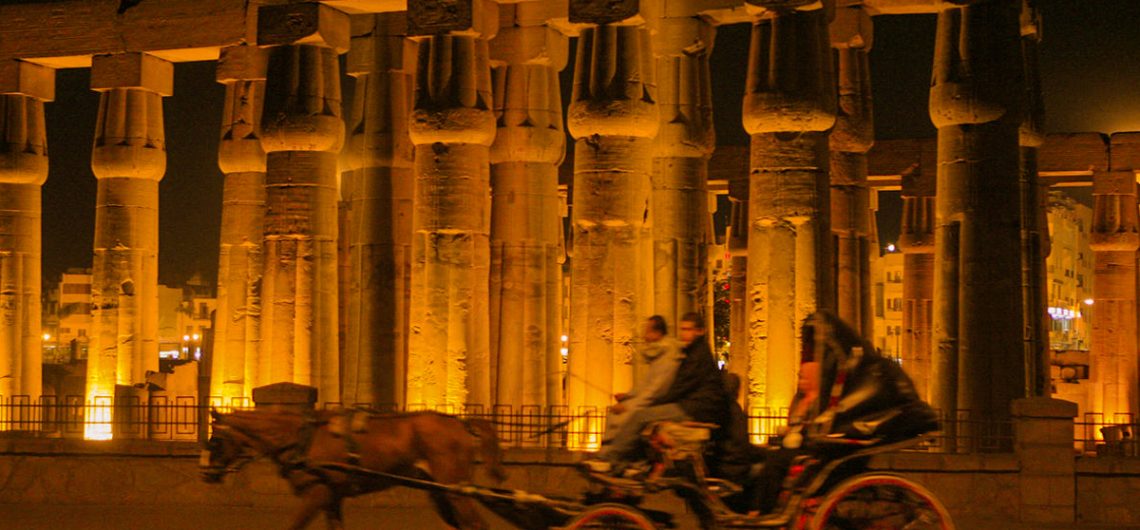
Luxor Temple becomes especially magical after sunset. Carefully designed lighting highlights the massive columns and statues, creating an atmosphere that feels both dramatic and timeless. Evening visits are highly recommended for photographers and travelers seeking a memorable experience.

The temple’s central location also makes it easy to combine with other attractions, restaurants, and hotels. Whether visited independently or as part of a guided Egypt tour, Luxor Temple offers a remarkable journey into the spiritual and political heart of ancient Thebes.

Mortuary Temple of Hatshepsut: A Masterpiece of Ancient Architecture

Among all the Temples of Luxor, the Mortuary Temple of Hatshepsut stands out for its unique design and historical significance. Built into the cliffs of Deir el-Bahari on Luxor’s West Bank, the temple honors one of Egypt’s most successful female pharaohs.

Hatshepsut ruled Egypt during the 18th Dynasty and oversaw a period of prosperity, trade expansion, and architectural innovation. Her mortuary temple reflects these achievements through its elegant terraces, symmetrical layout, and stunning location.

Unlike traditional temple designs, Hatshepsut’s temple consists of three ascending levels connected by ramps. This distinctive architectural style creates a harmonious relationship between the monument and the surrounding cliffs.

The temple walls contain detailed reliefs illustrating important events from Hatshepsut’s reign. One of the most famous scenes depicts her expedition to the Land of Punt, a successful trading mission that brought valuable goods, exotic animals, and luxury products to Egypt.

Visitors can also learn about Hatshepsut’s efforts to legitimize her rule. Many reliefs emphasize her divine birth and special relationship with the gods, reinforcing her authority as pharaoh.

The temple’s location adds to its appeal. Surrounded by dramatic limestone cliffs and desert landscapes, it offers some of the most breathtaking views in Luxor. Early morning visits are particularly popular because of cooler temperatures and excellent lighting conditions.

For travelers exploring the West Bank, the Mortuary Temple of Hatshepsut is often combined with visits to the Valley of the Kings and other nearby monuments. Together, these sites provide a deeper understanding of Egypt’s royal history and religious traditions.

As one of the most iconic landmarks in Egypt, Hatshepsut Temple remains a highlight of nearly every Luxor tour itinerary in 2026.

Valley of the Kings: The Royal Burial Ground of Ancient Pharaohs

The Valley of the Kings is one of the most significant archaeological sites in Egypt and a key highlight when exploring the Temples of Luxor and its surrounding West Bank attractions. Located on the desert hills opposite modern Luxor, this legendary valley served as the royal burial ground for pharaohs and powerful nobles of the New Kingdom period.

For travelers in 2026, visiting the Valley of the Kings offers a rare opportunity to step directly into the ancient Egyptian belief system surrounding the afterlife. Unlike monumental temples built for worship, the tombs here were designed as sacred gateways to eternity. Each tomb was carefully carved into the limestone mountains and decorated with intricate paintings, religious texts, and symbolic scenes guiding the pharaohs into the next world.

Among the most famous tombs is the tomb of Tutankhamun, discovered almost intact in 1922. Although relatively small compared to others, its discovery changed modern understanding of Ancient Egypt and remains one of the most visited tombs today. Other notable tombs include those of Ramses II, Seti I, and Thutmose III, each showcasing different artistic styles and burial traditions.

What makes the Valley of the Kings especially fascinating is the level of detail preserved inside the tombs. Visitors can still see vivid wall paintings, including scenes from the Book of the Dead, celestial journeys, and depictions of gods protecting the pharaohs. These artworks were not decorative alone—they served a spiritual function believed to ensure safe passage to the afterlife.

In 2026, visitor access is carefully managed to preserve the delicate environment inside the tombs. A rotating entry system allows travelers to explore selected tombs, while others remain closed for conservation. This ensures that future generations can continue to experience this extraordinary heritage site.

Many Egypt tours combine the Valley of the Kings with nearby attractions such as the Temple of Hatshepsut and the Colossi of Memnon, making it a full-day West Bank experience. Guided tours are highly recommended, as Egyptologists provide detailed explanations that bring the history of each tomb to life.

For anyone interested in Ancient Egypt, the Valley of the Kings is not just a sightseeing stop—it is a journey into the spiritual heart of a civilization that shaped world history.

Avenue of Sphinxes: The Ancient Processional Road of Luxor

The Avenue of Sphinxes is one of the most remarkable archaeological discoveries in modern Egypt and a vital link between Karnak Temple and Luxor Temple. Stretching approximately 2.7 kilometers, this ancient ceremonial road was once used for grand religious festivals, most notably the Opet Festival.

During these celebrations, statues of Amun, Mut, and Khonsu were carried in ceremonial barges along the avenue, connecting the two great temples of Thebes. The route was lined with hundreds of sphinx statues, creating a majestic corridor symbolizing divine protection and royal power.

In recent years, extensive restoration projects have uncovered and restored large sections of the Avenue of Sphinxes, making it possible for visitors in 2026 to walk along parts of the original ancient route. This transformation has significantly enhanced the Luxor experience, offering a rare opportunity to physically connect two of the most important temples in Egypt.

Walking along the Avenue of Sphinxes today feels like stepping back thousands of years. The alignment between Luxor Temple and Karnak Temple becomes clearly visible, reinforcing how ancient architects designed the city with precise religious and astronomical significance.

Night visits along the illuminated sections of the avenue provide a particularly memorable experience. Soft lighting highlights the restored statues and pathways, creating a magical atmosphere that blends history with modern presentation.

For travelers exploring Egypt Tours or Nile Cruise itineraries, the Avenue of Sphinxes is often included as part of guided Luxor sightseeing packages. It serves as a powerful reminder of the scale and sophistication of Ancient Egyptian ceremonial life.

Colossi of Memnon: Guardians of the West Bank

Standing silently on the West Bank of Luxor, the Colossi of Memnon are two massive stone statues that have guarded the Theban necropolis for more than 3,000 years. These towering figures represent Pharaoh Amenhotep III and are among the most photographed landmarks in Luxor.

Each statue stands approximately 18 meters high and once flanked the entrance of Amenhotep III’s mortuary temple, which was one of the largest temple complexes in Ancient Egypt. Although the temple itself has largely disappeared due to floods and earthquakes, the Colossi remain as powerful reminders of its former grandeur.

Over the centuries, the statues became famous not only for their size but also for a mysterious acoustic phenomenon reported by ancient travelers. At sunrise, one of the statues was said to produce a singing or whistling sound, which was later attributed to temperature changes affecting the stone. This legend attracted visitors from across the ancient world, including Roman emperors.

Today, the Colossi of Memnon remain an essential stop on any Luxor West Bank tour. Travelers often visit them at the beginning or end of a Valley of the Kings excursion. Despite standing in an open field, their scale and presence create a striking first impression of Ancient Egyptian monumental art.

The site is freely accessible and offers excellent photo opportunities, especially during early morning light. Many guided Egypt tours include a short stop here to explain their historical significance and connection to Amenhotep III’s vast temple complex.

For those exploring Luxor in 2026, the Colossi of Memnon provide a powerful introduction to the grandeur that once defined this ancient city.

Best Time to Visit the Temples of Luxor in 2026

Choosing the right time to visit the Temples of Luxor can significantly enhance your travel experience. Luxor has a desert climate, meaning hot summers and mild winters. Understanding seasonal conditions is essential for planning comfortable sightseeing.

The best time to visit Luxor in 2026 is between October and April. During these months, daytime temperatures are pleasant, typically ranging from 20°C to 30°C, making it ideal for exploring outdoor archaeological sites. Morning and late afternoon visits are especially recommended for temples like Karnak and Luxor Temple.

From May to September, temperatures can rise significantly, often exceeding 40°C. While travel is still possible, early morning tours and evening visits become essential. Many travelers choose Nile Cruise packages during this period, as the river breeze provides some relief from the heat.

Winter months (December to February) are considered peak tourist season. The weather is most comfortable, and visibility at archaeological sites is excellent. However, popular attractions may be busier, so booking Egypt tours in advance is highly recommended.

Spring and autumn offer a balance between comfortable weather and lower crowd levels, making them ideal for travelers seeking a more relaxed experience.

Regardless of the season, it is important to stay hydrated, wear light clothing, and use sun protection when exploring outdoor sites. Professional guided tours often schedule visits strategically to avoid peak heat hours.

For travelers planning a 2026 Egypt vacation, aligning your itinerary with the right season ensures a more enjoyable and immersive experience of Luxor’s ancient wonders.

Travel Tips for Visiting the Temples of Luxor

To make the most of your visit to the Temples of Luxor, a few practical travel tips can significantly improve your experience. Luxor is a destination rich in history but also requires thoughtful planning due to its climate and archaeological layout.

First, hiring a certified Egyptologist guide is highly recommended. These experts provide historical context that transforms temple ruins into living stories of Ancient Egypt. Many Egypt tours include professional guides who specialize in Luxor attractions.

Second, plan your visits early in the morning. The temples are less crowded, and temperatures are more comfortable. Early visits also offer better lighting for photography, especially at Karnak Temple and Luxor Temple.

Third, wear comfortable walking shoes. The temple grounds are large and often uneven, requiring significant walking. Lightweight clothing, hats, and sunscreen are essential for protection against the sun.

Fourth, consider combining East Bank and West Bank attractions in a structured itinerary. This allows you to experience both religious temples and royal tombs in a single day or over two days.

Fifth, respect site regulations. Many temples are fragile, and touching wall carvings or entering restricted areas is not allowed. Preservation efforts are ongoing, and responsible tourism helps protect these ancient wonders.

Finally, consider booking a Nile Cruise Egypt package. This is one of the most relaxing and scenic ways to explore Luxor, Aswan, and other key historical sites along the Nile.

Conclusion: Why the Temples of Luxor Should Be on Your 2026 Egypt Travel List

The Temples of Luxor represent one of the most extraordinary cultural and historical experiences in the world. From the grandeur of Karnak Temple to the elegance of Luxor Temple, the royal mysteries of the Valley of the Kings, and the architectural beauty of Hatshepsut’s Temple, every site reveals a different chapter of Ancient Egypt’s story.

For travelers planning Egypt Tours or Egypt Vacation Packages in 2026, Luxor is not just a destination—it is a journey through time. The combination of monumental architecture, preserved history, and immersive cultural experiences makes it one of the most rewarding travel destinations on earth.

Whether you are exploring independently or through a guided tour, Luxor offers unforgettable memories that stay with you long after your journey ends. It is a place where history is not only seen but deeply felt.

Booking a professional Egypt travel package ensures a seamless experience, allowing you to focus entirely on discovering the wonders of the Temples of Luxor.