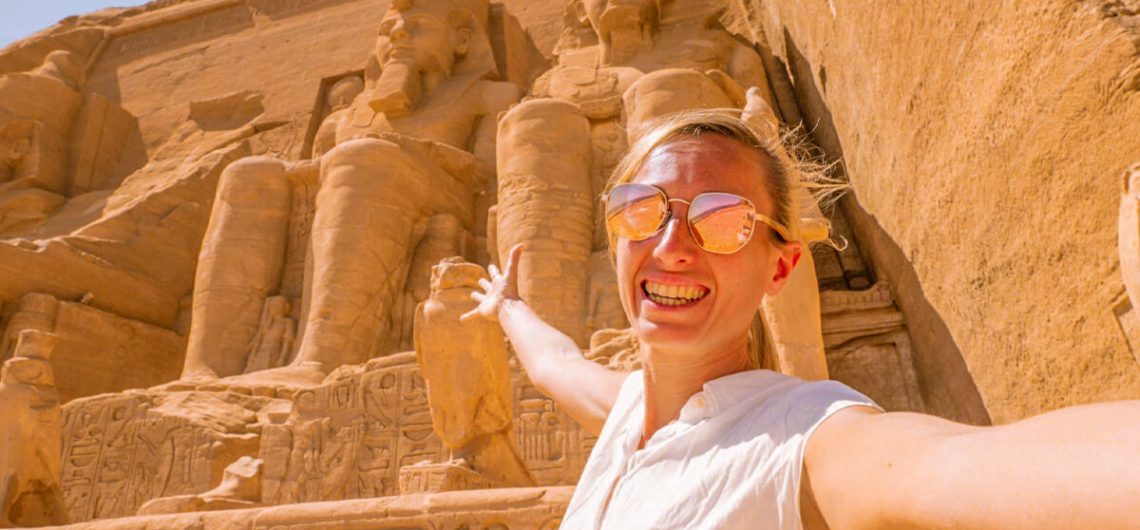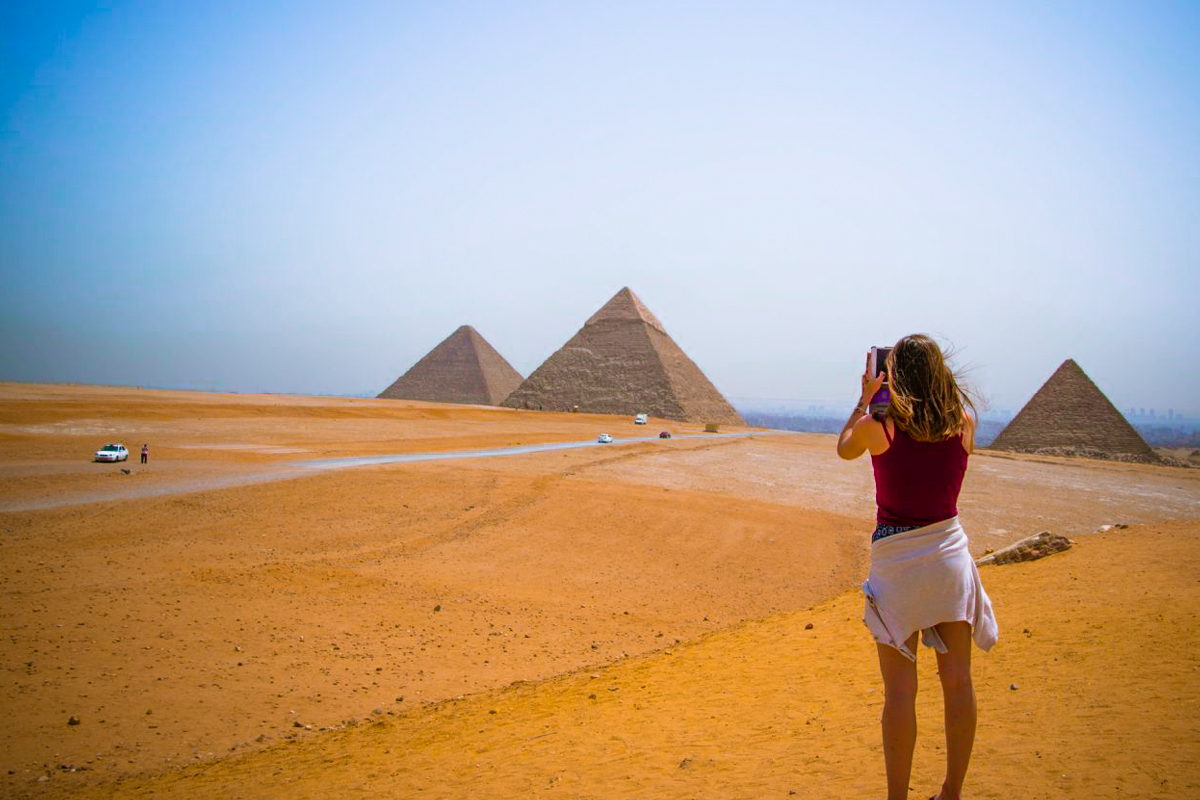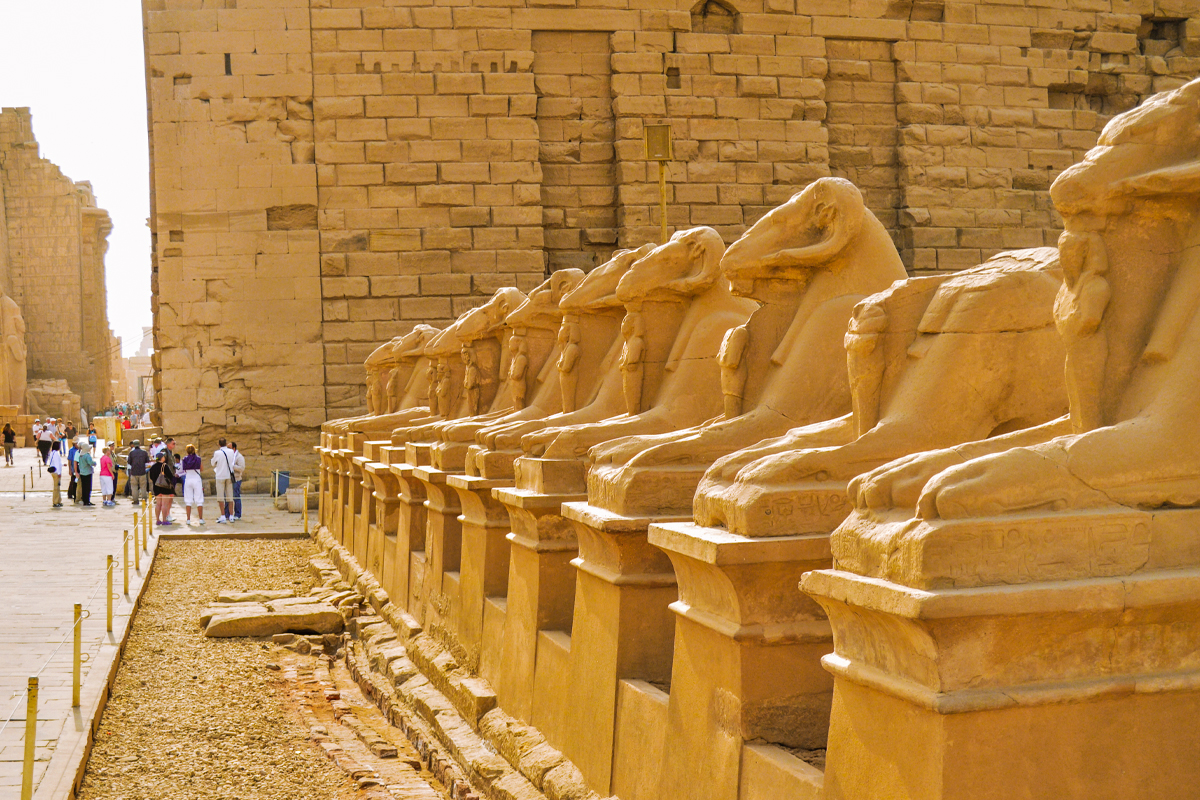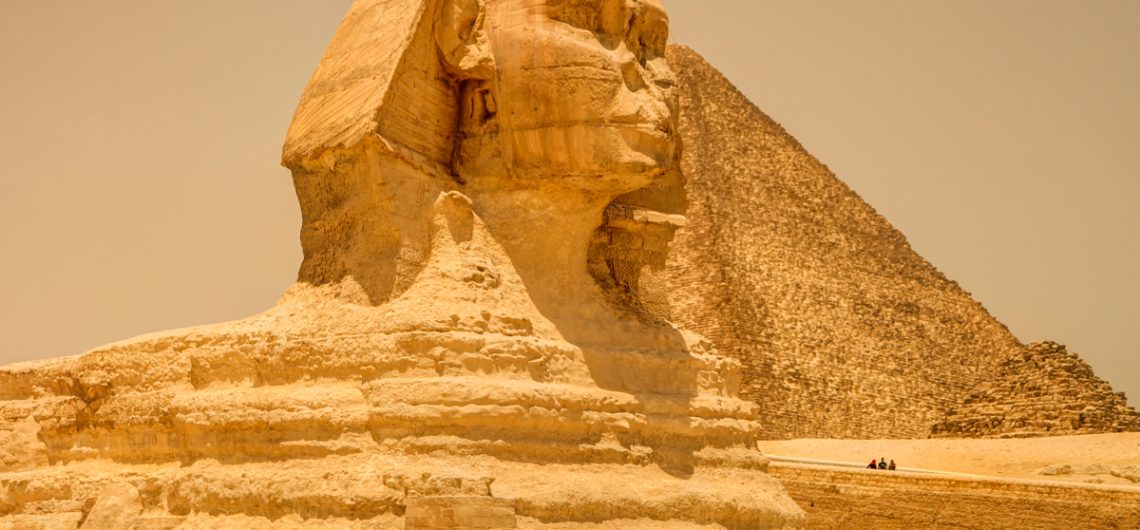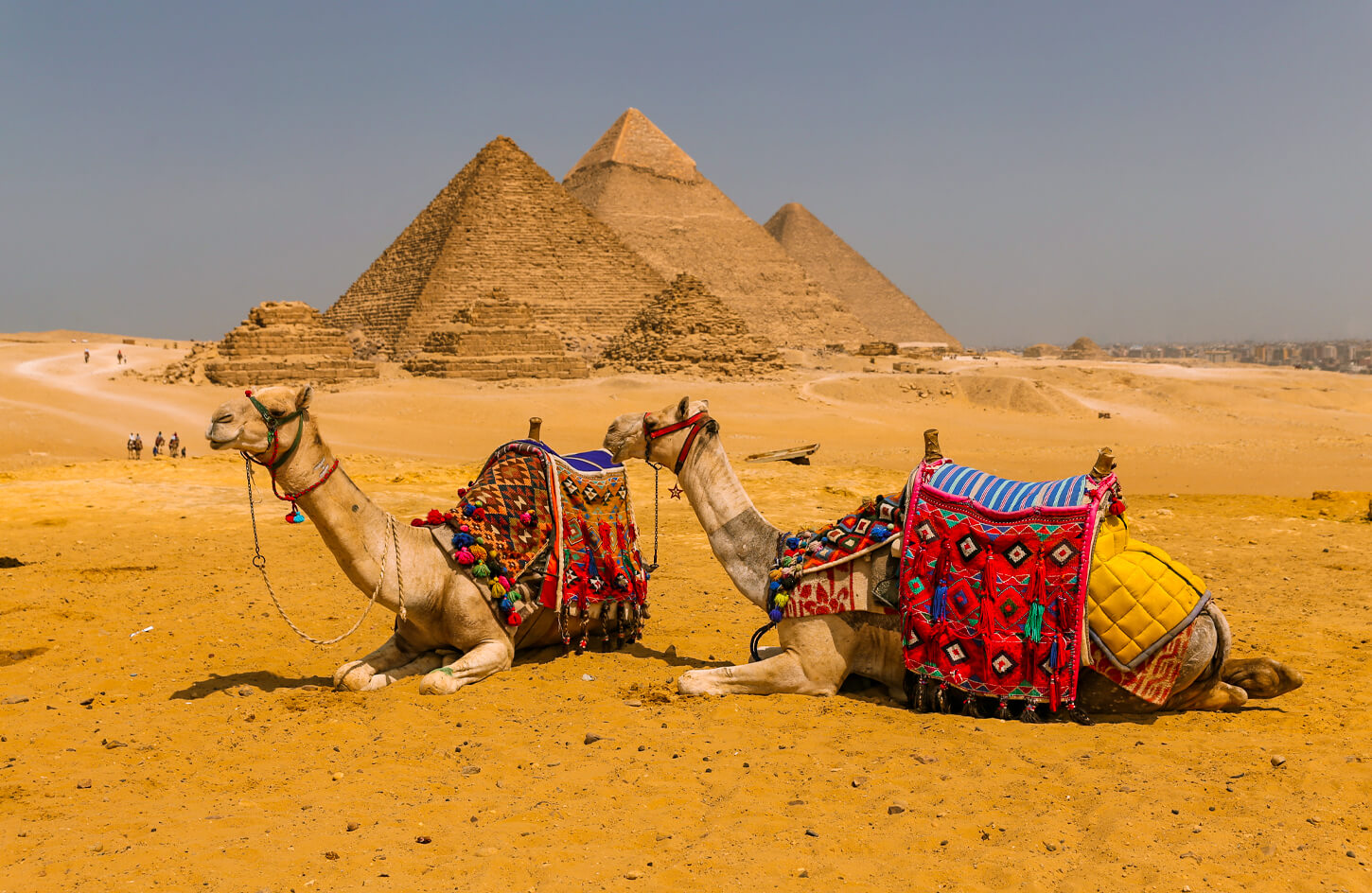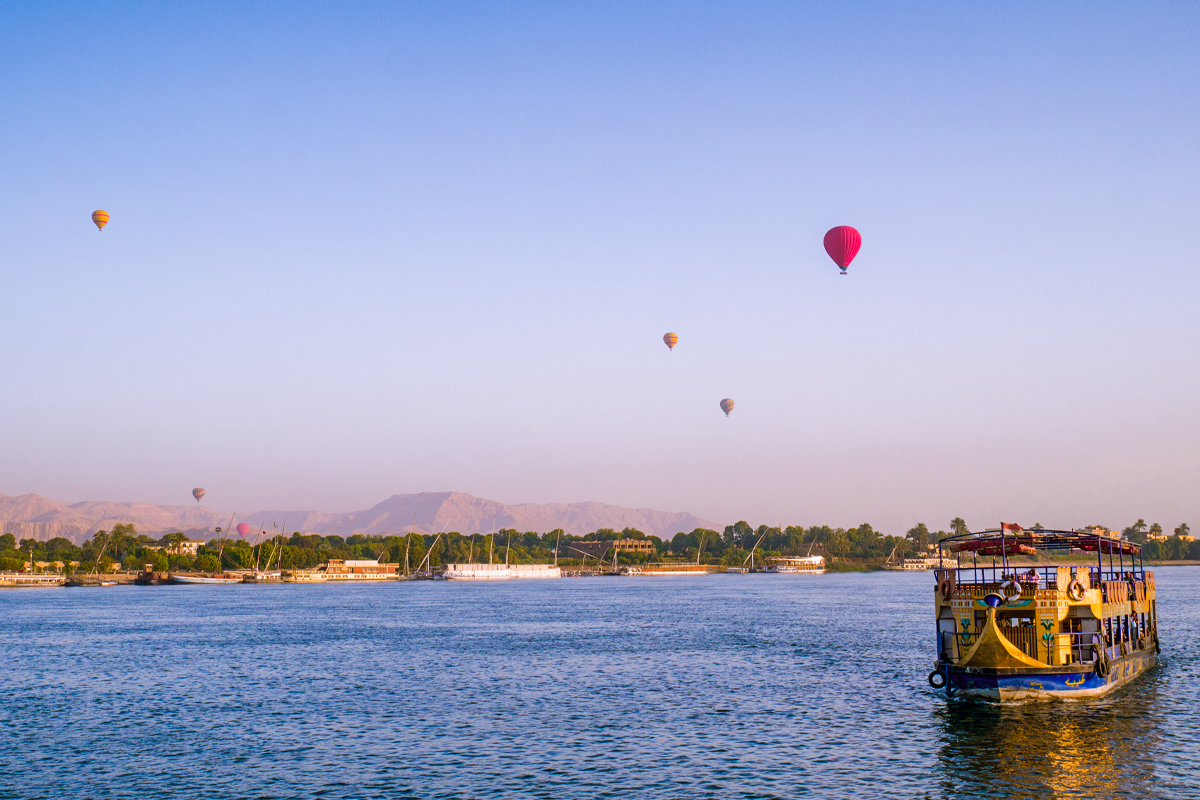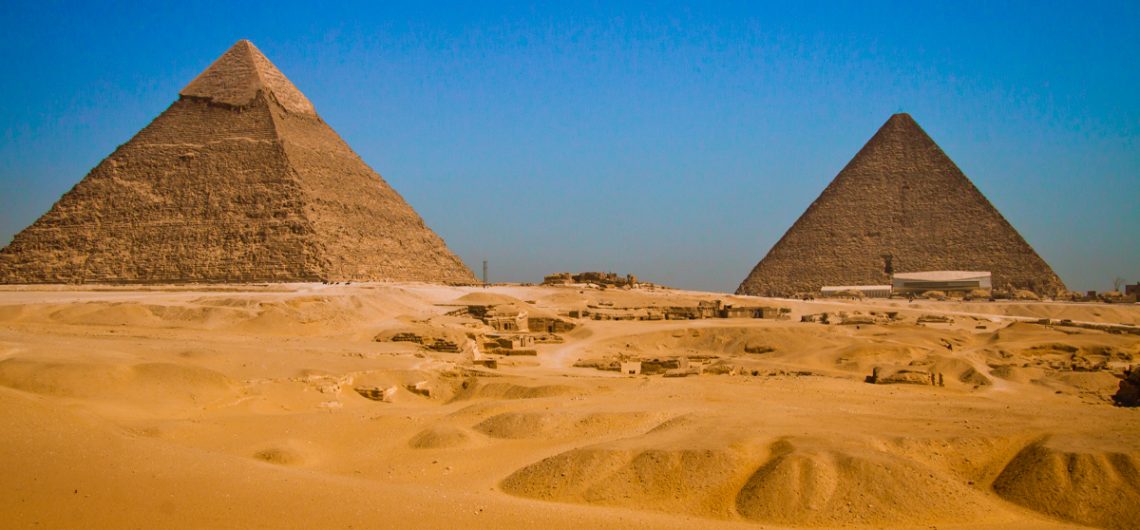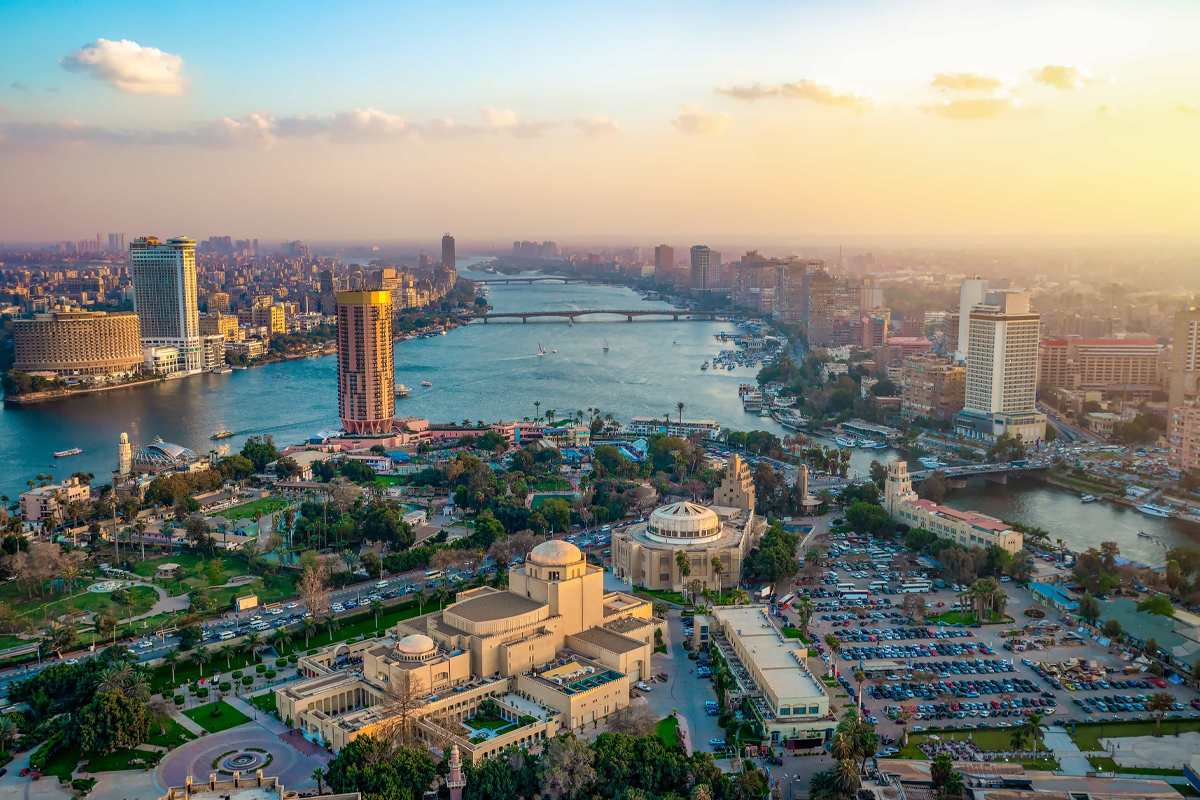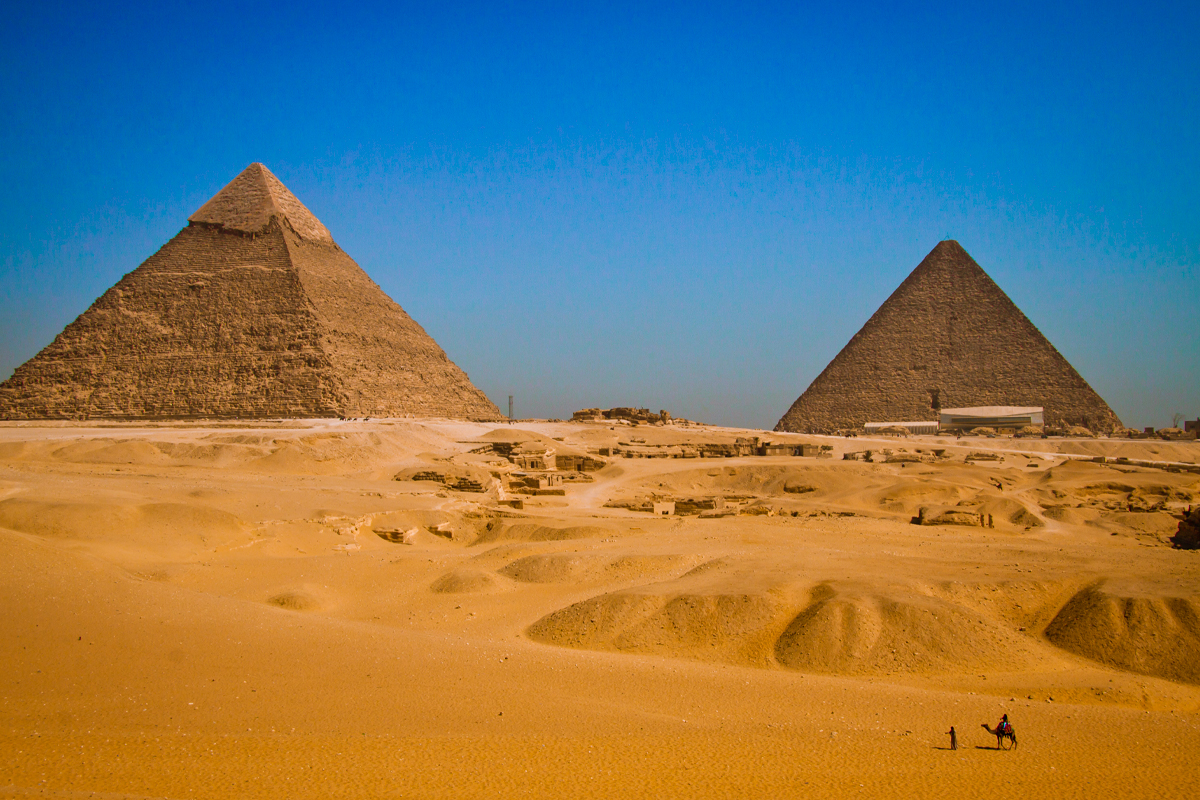
The land of the Pharaohs, the gift of the Nile, the home of timeless wonders—Egypt has captivated travelers for millennia. The call of the pyramids, the allure of ancient tombs, and the tranquility of the Red Sea are powerful. But for anyone planning this journey of a lifetime, one practical question consistently rises to the surface, much like the sun over Abu SimbelHow much does a trip to Egypt cost?

The answer, like the country itself, is layered. A trip to Egypt can be a surprisingly affordable bucket-list destination or a luxurious voyage into history, depending on your choices. This comprehensive guide will strip back the layers, providing detailed cost breakdowns, insider tips, and realistic budgets to help you plan your perfect Egyptian itinerary without any financial surprises.

Understanding the Cost Variables

Before we dive into numbers, it’s crucial to understand what shapes the cost of a trip to Egypt. Seven key factors will define your budget:

  1. Travel Style: Are you a backpacker, a comfort-seeking mid-range traveler, or do you prefer 5-star luxury?

  2. Time of Year: Peak season (October-April) sees prices skyrocket, especially around Christmas and New Year. The sweltering summer (May-September) offers deep discounts.

  3. Group Size & Travel Companions: Solo travel often incurs single supplements. Family trips can save on shared rooms but increase activity costs.

  4. Trip Duration: A whirlwind 5-day tour differs vastly from a 2-week deep dive.

  5. Destinations: The classic CairoLuxorAswan route is standard. Adding a Red Sea resort (Hurghada, Sharm El-Sheikh) or a remote oasis (Siwa, Bahariya) changes the calculus.

  6. Pace & Activities: Are you ticking off major sites, or adding hot air balloon rides, scuba diving, and fancy Nile cruises?

  7. Dining Preferences: Street food vs. hotel restaurants vs. fine dining.

Detailed Cost Breakdown: Where Your Money Goes

Let’s dissect every element of the trip to Egypt cost.

1. Flights: Your Gateway to the Pharaohs

This is often the single largest expense and varies wildly based on your departure point and flexibility.

  • From North America (USA/Canada): Expect to pay $800 – $1,600+ for round-trip economy to Cairo (CAI). Major carriers (Delta, Lufthansa, British Airways) and Egyptair offer direct or one-stop options. Use flight aggregators, set alerts, and be flexible with dates.

  • From Europe: Significantly cheaper. Fares from major hubs like London, Paris, or Frankfurt can range from €250 – €700 round-trip, with budget airlines sometimes offering stunning deals.

  • From Australia/NZ: A long-haul journey typically costing AUD $1,500 – $2,500+, usually with a stop in the Middle East (Qatar, UAE) or Asia.

Pro Tip: Consider flying into Luxor (LXR) if starting in the south, or even Sharm El-Sheikh (SSH) for a beach-first itinerary. Sometimes open-jaw tickets (into one city, out of another) can be efficient and cost-effective.

2. Accommodation: From Hostels to Historic Hotels

Egypt offers incredible value for lodging. Here’s a nightly price range (for double occupancy, excluding peak holiday periods):

Category Budget Range (Per Night) What to Expect & Examples
Backpacker $10 – $30 Hostel dorms, basic private rooms with shared bath. Often in central locations. (E.g., hostels in Cairo’s Dokki or Luxor’s center).
Budget/Mid-Range $40 – $100 Clean, comfortable 3-4 star hotels, often with breakfast. The sweet spot for most travelers. (E.g., Pyramids View Inn in Giza, Steigenberger in Luxor).
Luxury $150 – $500+ 5-star international chains, historic palaces, and boutique gems. (E.g., Marriott Mena House Cairo, Sofitel Winter Palace Luxor, Four Seasons at Nile).
Nile Cruise $150 – $400+ per night All-inclusive (meals, tours). Price varies by boat standard (3-star to 5-star deluxe) and cabin type. Usually booked as a 3, 4, or 7-night package.
Red Sea Resort $80 – $300+ Often all-inclusive. Great deals exist, especially in Hurghada. Luxury resorts in El Gouna or Sahl Hasheesh command higher prices.

3. Transportation Within Egypt: Nile, Rails, and Roads

Getting around is an adventure in itself and relatively inexpensive.

  • Domestic Flights: Efficient for covering long distances quickly (e.g., Cairo to Aswan). Book in advance with Egyptair or other local carriers. Expect $80 – $150 per one-way segment.

  • Trains: The most popular way to travel the Nile Valley.

    • Overnight Sleeper Train (Cairo-Luxor/Aswan): Operated by Watania, includes a private cabin and meals. $80 – $120 per person, one-way. Not luxurious but an experience.

    • First-Class Seated Train: Day trains with comfortable, air-conditioned seats. $20 – $40 for routes like Luxor to Aswan. The go-to for most travelers.

  • Private Drivers & Taxis: Ideal for day trips (e.g., Cairo to Sakkara, Luxor’s West Bank). Hiring a car and driver for a full day costs $50 – $80, offering flexibility and comfort. Always agree on a price before getting in. Use ride-hailing apps like Uber/Careem in Cairo and Alexandria—they are safe, convenient, and eliminate price haggling.

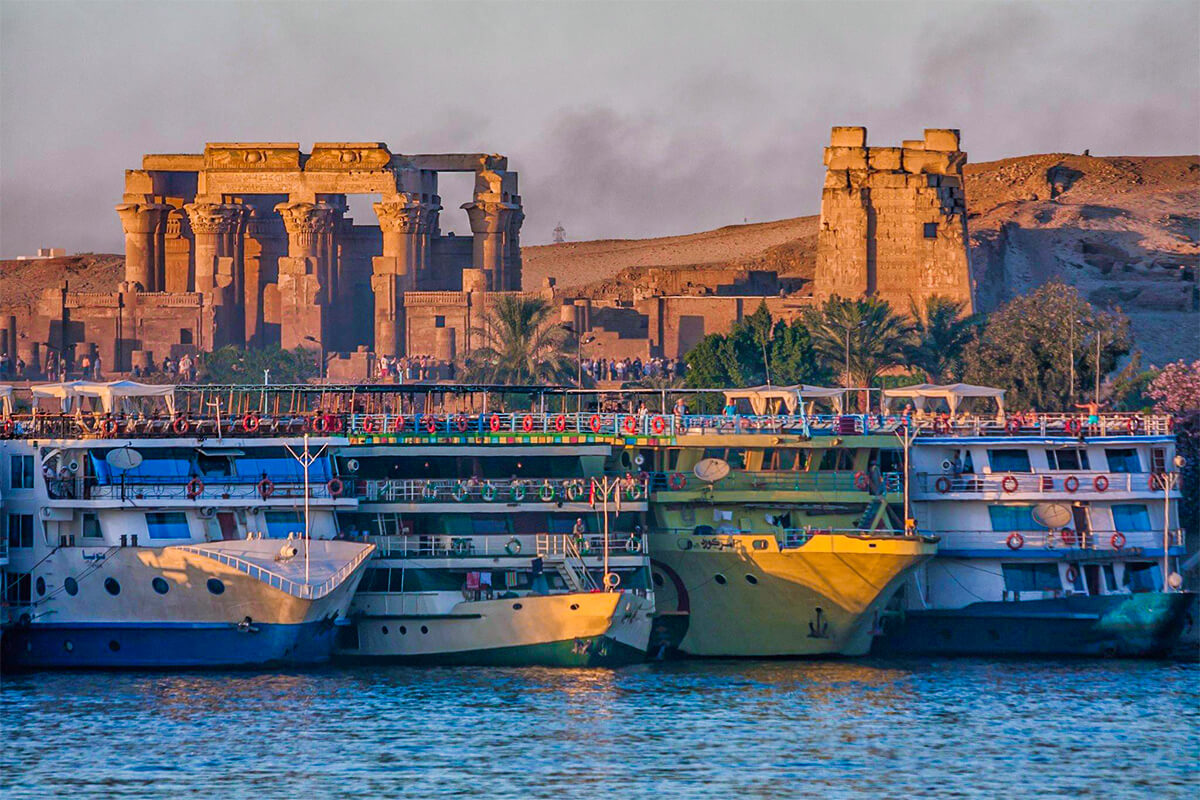
  • Nile Cruises: A transport and accommodation hybrid. A 3-night cruise from Luxor to Aswan typically costs $450 – $1,200+ per person based on boat quality and season, including all meals and guided tours to temples along the way.

4. Food & Drink: A Feast for the Senses (and Budget)

Egyptian food is delicious and famously affordable.

  • Street Food & Local Eateries (Budget): $3 – $8 per meal. Feast on koshari (a mix of pasta, rice, lentils), falafel, taameya, shawarma, and ful medames.

  • Mid-Range Restaurants: $10 – $25 per person. Enjoy mixed grills, fresh seafood by the Nile, or meals at tourist-friendly restaurants with great views.

  • Hotel & High-End Dining: $30 – $70+ per person. International cuisine, fine dining, or upscale hotel buffets.

  • Drinks: Bottled water is essential ($0.30 – $0.50 per 1.5L). Local beer (Stella) is $3-$5. Wine is expensive due to taxation ($7+ per glass). Avoid tap water.

Daily Food Budget Estimate:

  • Budget Traveler: $15 – $20

  • Mid-Range Traveler: $25 – $40

  • Luxury Traveler: $60+

5. Activities, Tours & Entrance Fees: The Heart of the Experience

This is where you invest in your memories. Entrance fees add up quickly and are often quoted in Egyptian Pounds, so prices below are approximate in USD.

Site/Activity Approx. Cost (USD) Notes
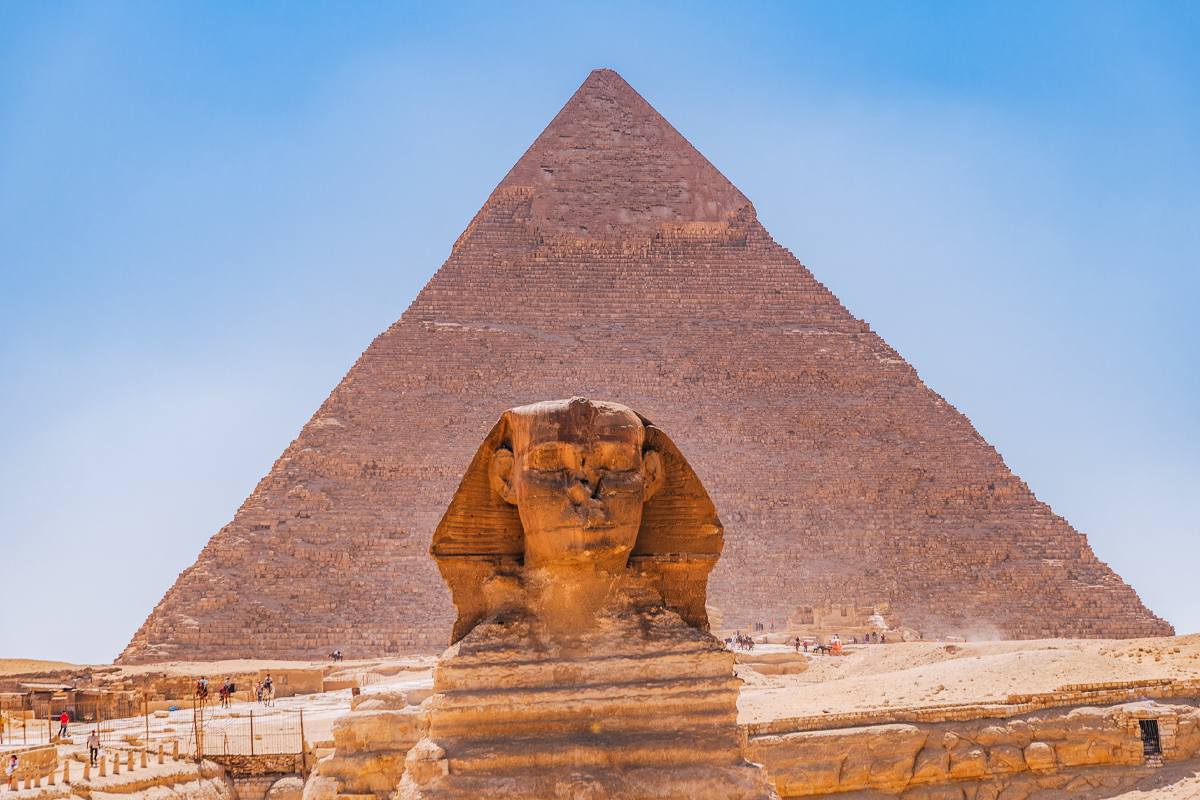
Giza Pyramids Complex $15 General entry. Separate, higher fees to enter the Great Pyramid, Pyramid of Khafre, etc.
Egyptian Museum (Tahrir) $10 A fraction of the cost of the new museum.
Grand Egyptian Museum (GEM) TBA (Expected $20-30) Highly anticipated, opening late 2024/2025. Will be a major expense.
Luxor East & West Bank Tickets $25 – $40 Major sites (Valley of the Kings, Karnak, Hatshepsut Temple) require separate tickets. A “Luxor Pass” can offer savings if visiting many sites.
Abu Simbel Temples $20 Plus transport (flight or convoy). Worth every penny.
Hot Air Balloon over Luxor $50 – $100 A spectacular sunrise experience. Price varies by operator quality.
Snorkeling Trip (Red Sea) $25 – $50 For a day trip including gear and boat.
Scuba Diving (2 dives) $70 – $120 Some of the world’s best and most affordable diving.
Guided Tours:
– Full-Day Private Guide $60 – $120 per day Plus their entrance fees and transport. Invaluable for context and logistics.
– Group Day Tour $30 – $80 per person Covers transport, guide, and sometimes entries.

Pro Tip: A qualified Egyptologist guide is worth the investment, especially at complex sites like Karnak or the Egyptian Museum. They bring history to life and manage logistics.

6. Visas, Insurance, & Miscellaneous

  • Tourist Visa: Most nationalities can obtain a $25 visa on arrival at Egyptian airports. Pay in USD cash, get the sticker, and you’re set. E-visas are also available online in advance for some passports.

  • Travel Insurance: Non-negotiable. A comprehensive policy covering medical emergencies, trip cancellation, and lost luggage costs $50 – $150 for a 2-week trip, depending on your age and coverage level.

  • SIM Card & Data: Purchase at the airport. A decent data package (10-15 GB) for 2 weeks costs $10 – $20. Vodafone, Orange, and Etisalat are reliable.

  • Souvenirs & Baksheesh (Tips): Bargaining is expected in markets (Khan el-Khalili). Set aside a small daily budget for baksheesh—small tips for everyone from restroom attendants to anyone who offers a small service. It’s a deeply ingrained part of the culture.

Sample Budgets: Putting It All Together

Let’s create realistic total trip to Egypt cost estimates for a 10-day / 9-night classic itinerary (Cairo 3 nights, 4-Night Nile Cruise, Luxor 2 nights) for one person.

Budget Traveler: The Adventurous Backpacker

  • Philosophy: Hostels, street food, public/group transport, minimal paid tours.

  • Flights: $900 (from US/Canada)

  • Accommodation: $20/night x 9 = $180

  • Food: $18/day x 10 = $180

  • Transport (Internal): Overnight train (seated), local trains, buses = $120

  • Activities/Entries: Key sites only = $150

  • Misc (Visa, SIM, Tips): $60

  • Estimated Total: $1,590

Mid-Range Traveler: The Comfort & Culture Seeker

  • Philosophy: 3-4 star hotels, mix of local and mid-range dining, private drivers for day trips, guided tours for key sites, maybe a short cruise.

  • Flights: $1,100

  • Accommodation: $80/night x 9 = $720

  • Food & Drink: $35/day x 10 = $350

  • Transport (Internal): Flights & private drivers = $300

  • Activities/Entries: Most major sites + a few guided tours = $350

  • Misc (Visa, SIM, Insurance, Tips): $150

  • Estimated Total: $2,970

Luxury Traveler: The Pharaoh’s Journey

  • Philosophy: 5-star hotels & luxury Nile cruises, fine dining, private guides & drivers throughout, exclusive experiences.

  • Flights: $1,500 (Business class upgrades)

  • Accommodation: $300/night x 9 = $2,700 (or a luxury cruise package)

  • Food & Drink: $70/day x 10 = $700

  • Transport (Internal): Private drivers & domestic flights = $600

  • Activities/Entries: All sites, private Egyptologist, special experiences = $800

  • Misc (Premium Insurance, etc.): $250

  • Estimated Total: $6,550+

 Essential Money-Saving Tips for Your Trip to Egypt

  1. Travel in the Shoulder/Low Season: Late April-May or September-early October. You’ll avoid extreme heat and peak prices.

  2. Haggle Respectfully: It’s expected in markets and for private taxi rides (not Uber). Start at 50% of the initial price and meet in the middle.

  3. Carry Small Bills (EGP): Essential for tips, small purchases, and avoiding the “no change” dilemma.

  4. Book Trains & Domestic Flights Early: Prices rise as dates approach, especially for the sleeper train.

  5. Consider a Package Tour: For first-timers, a well-reviewed tour company can lock in rates for hotels, transport, and guides, often at a better price than piecing it together alone.

  6. Stay Hydrated with Large Water Bottles: Buy 5-liter bottles from grocery stores for your hotel room and refill a small bottle—it’s cheaper and more eco-friendly.

  7. Use Student/ Youth Cards: An ISIC card or valid student ID can get you a 50% discount on almost all entrance fees to historical sites and museums.

When to Splurge: Worth-Every-Penny Experiences

  • A Private Egyptologist Guide in Luxor: The history is too rich for a guidebook alone.

  • A Sunrise Hot Air Balloon Ride over the West Bank: The view of the temples and Nile is unforgettable.

  • A Quality Nile Cruise: The pleasure of unpacking once and gliding past ancient riverbanks is quintessential Egypt.

  • A Few Nights at the Marriott Mena House: Waking up to an unobstructed view of the Pyramids from your garden is magical.

  • Scuba Diving in the Red Sea: World-class sites at developing-world prices.

Final Thoughts: The Value of an Egyptian Journey

Planning the cost of a trip to Egypt may seem daunting, but the return on investment is immeasurable. Where else can you stand in the shadow of the last Ancient Wonder of the World, decipher hieroglyphs in a pharaoh’s tomb, and float over technicolor coral reefs—all in one vacation?

Egypt is a country that operates on its own rhythm, where ancient history collides with vibrant modern life. By planning your budget with the detailed insights above, you can replace financial anxiety with the pure excitement of anticipation. Your journey to the land of the Pharaohs awaits—and it is likely more accessible than you ever imagined.

Egypt Visa: The first step to an incredible journey through the land of the Pharaohs is understanding the entry requirements. Whether you are planning to stand before the Great Pyramids of Giza or dive into the crystal-clear waters of the Red Sea, securing your Egypt Visa is a straightforward process, but choosing between the Visa on Arrival and the eVisa can significantly impact your arrival experience.

At Egypt Via Travel, we pride ourselves on being the best travel agency in Egypt, providing expert guidance to thousands of travelers every year. Our goal is to ensure your trip starts with ease and clarity. In this comprehensive guide, we will break down everything you need to know about the Egypt Visa options available in 2026, helping you decide which method suits your travel style best.

Egypt Visa: Understanding Your Options

When planning your visit, the term Egypt Visa generally refers to the tourist visa required for most nationalities. While some visitors from Arab countries enjoy visa-free entry, the majority of travelers from the USA, UK, Canada, and the European Union must obtain a visa.

There are three primary ways to get your Egypt Visa:

  1. The eVisa (Electronic Visa): Applied for online before you leave home.

  2. The Visa on Arrival (VoA): Purchased at the airport upon landing in Egypt.

  3. The Embassy Visa: Required for nationalities not eligible for the first two options.

For most people, the choice comes down to the eVisa vs. the Visa on Arrival. Both have the same cost for a single entry, but the “how” and “when” of the process differ.

What is the Egypt eVisa?

The Egypt Visa online system, known as the eVisa, was introduced to modernize the entry process and reduce congestion at airport counters. It is an official document issued digitally by the Egyptian Ministry of Interior.

To obtain this version of the Egypt Visa, you must visit the official government portal at least seven days before your departure. You fill out your personal details, upload a scan of your passport, and pay the fee using a credit or debit card. Once approved, the visa is sent to your email. You simply print it out and present it to the immigration officer along with your passport when you arrive.

At Egypt Via Travel, we often recommend the eVisa to our guests who prefer to have all their “ducks in a row” before they fly. It provides a sense of security, knowing your entry is pre-approved.

What is the Egypt Visa on Arrival?

evisa in Egypt

The Egypt Visa on arrival is the traditional method that many travelers still prefer for its flexibility. If you belong to an eligible country, you don’t need to do anything online before you fly.

When you land at major gateways like Cairo International Airport, Hurghada, or Sharm El Sheikh, you head to a bank kiosk located just before the immigration desks. There, you pay the fee in cash, and the teller gives you a physical visa sticker. You then place this sticker in your passport and proceed to the immigration line.

While it is convenient if you are a last-minute traveler, it does require you to have the exact cash ready and may involve standing in an extra line before you even get to the passport control queue.

Detailed Comparison: Egypt Visa on Arrival vs. eVisa

To help you visualize the differences, we have prepared a comparison table based on the latest 2026 data.

Egypt Visa Comparison Table 2026

Feature Egypt eVisa Egypt Visa on Arrival
Application Time 7+ days before travel Upon arrival at the airport
Processing Fee $25 (Single) / $60 (Multiple) $25 (Single Entry only)
Payment Method Credit/Debit Card online Cash (USD, EUR, or GBP preferred)
Waiting Time None at the airport 10–30 minutes at bank kiosk
Maximum Stay 30 days 30 days
Best For Planners and multiple entry users Last-minute travelers
Risk Factor Approval is confirmed before flight Small risk of denial at the border

As the best travel agency in Egypt, Egypt Via Travel ensures that regardless of which method you choose, your transition from the airplane to your luxury tour vehicle is as fast as possible.

Eligibility: Who Can Get Which Egypt Visa?

Not everyone can choose between these two options. Eligibility for an Egypt Visa depends heavily on your nationality.

  • Group A (eVisa & VoA Eligible): Citizens of the USA, UK, all EU countries, Canada, Australia, New Zealand, Japan, and South Korea can typically use either method.

  • Group B (eVisa Only): Some nationalities are added to the eVisa list but may not be granted the Visa on Arrival at all ports. It is always safer to check the updated list on the official portal.

  • Group C (Embassy Only): Travelers from many African and Asian nations must apply via an Egyptian consulate in their home country. This process is more rigorous and requires more documentation, such as bank statements and HR letters.

If you are unsure where you stand, our team at Egypt Via Travel can check your specific eligibility and guide you through the requirements.

Requirements for the Egypt Visa (2026 Updated)

To ensure your Egypt Visa is granted without issues, you must meet the following criteria:

  1. Passport Validity: Your passport must be valid for at least six months from the date of your arrival in Egypt. If it expires sooner, you may be denied boarding by your airline.

  2. Blank Pages: You need at least one entirely blank page for the visa sticker or the entry stamp.

  3. Travel Itinerary: While not always asked for, having a printed copy of your hotel bookings and your return flight is a standard requirement for the Egypt Visa.

  4. Supporting Documents: If you are visiting family, an invitation letter might be needed. For tourists booking with Egypt Via Travel, your tour voucher serves as your proof of organized travel.

The Cost of the Egypt Visa

A common question we receive at Egypt Via Travel is regarding the price of the Egypt Visa. In late 2026, there were rumors of a price hike, but the Egyptian Ministry of Tourism confirmed that the standard fees remain unchanged for 2026.

  • Single Entry: $25 USD. This allows you to enter the country once and stay for up to 30 days.

  • Multiple Entry: $60 USD. This is only available via the eVisa or Embassy application. It is perfect if you plan to visit Egypt, hop over to Jordan or cruise to Saudi Arabia, and then return to Egypt.

Pro Tip: If you are getting a Visa on Arrival, bring crisp, new $25 bills. Egyptian banks at the airport can be very picky about the condition of foreign currency; they may reject bills that are torn, marked, or very old.

The Special Case: Sinai Only Stamp

If you are flying directly to Sharm El Sheikh, Dahab, Nuweiba, or Taba and you plan to stay only in the South Sinai resorts for 15 days or less, you might not need a paid Egypt Visa at all.

You can receive a free “Sinai Only” stamp. However, this stamp does not allow you to travel to Cairo, Luxor, or even go on a boat trip to Ras Mohammed National Park in some cases. If you have any plans to see the Pyramids, you must get the standard $25 Egypt Visa.

Why Egypt Via Travel Recommends the eVisa

While both options get you into the country, we believe the eVisa is the superior choice for a modern traveler. When you arrive after a long flight, the last thing you want is to join a long queue at a bank window to buy a sticker, only to then join another long queue for immigration.

With an eVisa, you bypass the bank entirely. You go straight to the passport control officer. This can save you 20 to 45 minutes during peak tourist seasons. As the best travel agency in Egypt, we want you to spend that time enjoying your first Egyptian mango juice or checking into your Nile-view room, not standing on a tiled airport floor.

How to Apply for the Egypt eVisa Step-by-Step

If you’ve decided the eVisa is right for your Egypt Visa needs, follow these steps:

  1. Visit the Official Site: Only use visa2egypt.gov.eg. Avoid “agency” sites that charge $80 or $100 for the same service.

  2. Create an Account: You will need a valid email address.

  3. Fill the Application: Enter your details exactly as they appear on your passport. A single typo can lead to a rejection.

  4. Upload Your Passport: You will need a clear, colored scan of the photo page of your passport.

  5. Pay the Fee: Use a secure card.

  6. Print the Confirmation: Once you receive the PDF via email, print two copies. One for immigration and one to keep in your bag as a backup.

Common Mistakes to Avoid with Your Egypt Visa

Even with 50 years of experience in the Egyptian travel industry, we see travelers make the same mistakes. To ensure your Egypt Visa process is flawless, avoid these pitfalls:

  • Using the wrong website: Many third-party sites look official but charge massive “service fees.”

  • Applying too late: Give yourself at least 7 to 10 days. While many eVisas are approved in 24 hours, some take longer for security checks.

  • Inaccurate Information: If your middle name is on your passport but not on your visa, you may face issues.

  • Not having cash for VoA: Some airports do not have functioning ATMs before the visa desk. Always carry the $25 in cash.

Why Choose Egypt Via Travel for Your Journey?

Securing your Egypt Visa is just the beginning. To truly experience the magic of this country, you need a partner who knows every corner of the Nile Valley. Egypt Via Travel is recognized as the best travel agency in Egypt because we don’t just book tours; we curate experiences.

From private Egyptology guides who bring the temple walls to life to seamless airport transfers that make you feel like royalty, we handle every detail. When you book a trip with us, we provide a “Meet and Assist” service at the airport. Our representative will meet you before the immigration desk, help you with your Egypt Visa (whether you have an eVisa or need a VoA), and whisk you through the terminal.

Final Thoughts on the Egypt Visa

Whether you choose the digital convenience of the eVisa or the traditional Visa on Arrival, getting your Egypt Visa is a small step toward a life-changing adventure. Egypt is a country that rewards the curious, and with the right preparation, your entry will be the smoothest part of your trip.

Ready to see the wonders of the ancient world? Let the experts handle the logistics while you focus on the history.


Things to Do in Hurghada Egypt is one of the most searched travel topics by visitors planning a Red Sea vacation, and for good reason. Hurghada is not just a beach destination; it is a complete travel experience that combines marine life, desert adventures, island escapes, culture, family entertainment, and relaxation. Whether you are visiting Egypt for the first time or returning to explore more, Hurghada offers activities that suit all travelers, all budgets, and all travel styles.

As a traveler reading this guide, what matters most is clarity, trust, and real value. This article is written to help you understand what to do, where to go, and how to make the most of your time in Hurghada, with practical insights you can actually use. Throughout the guide, you will also find why Egypt Via Travel is considered the best travel agency in Egypt for organizing Hurghada tours safely, comfortably, and professionally.

Red Sea Snorkeling and Scuba Diving Experiences

When people search for Things to Do in Hurghada Egypt, the Red Sea is always the first reason they come. Hurghada is globally known for its coral reefs, colorful fish, and warm clear waters that allow underwater visibility most of the year. Even if you have never snorkeled or dived before, Hurghada is one of the easiest places in the world to start.

Snorkeling trips usually take you by boat to protected reef areas where you can swim directly above coral gardens filled with parrotfish, clownfish, butterflyfish, and sometimes sea turtles or dolphins. These trips are suitable for beginners, families, and non-swimmers because life jackets and guides are always provided.

Scuba diving in Hurghada is ideal for both beginners and certified divers. Beginners can try introductory dives with professional instructors, while experienced divers can explore famous dive sites such as Giftun reefs, Abu Ramada, and wreck dives in deeper waters. The Red Sea’s calm conditions make it comfortable even for first-time divers.

Choosing a reliable company matters here. Egypt Via Travel works only with licensed dive centers and certified instructors, ensuring safety, proper equipment, and well-organized boat trips. As a traveler, this gives peace of mind and allows you to enjoy the experience instead of worrying about logistics.

For anyone visiting Hurghada, snorkeling and diving are not optional activities; they are essential experiences that define the destination.

Island Trips and Boat Excursions from Hurghada

Another highlight among the best Things to Do in Hurghada Egypt is joining a full-day island trip. These excursions combine relaxation, swimming, snorkeling, and scenic views of the Red Sea.

Giftun Island is the most popular destination, known for its white sandy beaches and shallow turquoise waters. It feels like a natural escape from the city, offering beach time, swimming areas, and snorkeling spots near the shore. Orange Bay and Paradise Island are parts of this experience and are especially popular with couples, families, and photographers.

Boat trips usually include multiple snorkeling stops, lunch on board, soft drinks, and time on the island. For travelers who prefer comfort and good organization, booking through Egypt Via Travel ensures clean boats, clear schedules, and well-managed group sizes.

Island trips are perfect for travelers who want a balanced day: not too active, not too quiet. They also offer excellent opportunities for photos, relaxation, and swimming in calm waters.

From a traveler’s perspective, this is one of the most enjoyable ways to spend a day in Hurghada without feeling rushed or exhausted.

Desert Safari and Quad Bike Adventures

Hurghada is not only about the sea. One of the most exciting Things to Do in Hurghada Egypt is exploring the Eastern Desert just a short drive from the city.

Desert safaris usually include quad biking, jeep rides, camel riding, and visits to Bedouin villages. Riding a quad bike through open desert landscapes gives a sense of freedom and adventure that contrasts beautifully with the calm of the Red Sea.

Many safari tours are timed around sunset, allowing travelers to watch the sun set over the desert mountains. This moment alone makes the experience memorable and worth including in your itinerary.

During Bedouin village visits, travelers learn about traditional desert life, drink local tea, and sometimes enjoy simple meals. These cultural elements add depth to the trip and make it more than just a ride.

Egypt Via Travel organizes desert safaris with experienced guides who prioritize safety and clear instructions, especially for first-time riders. As a traveler, knowing that the equipment is maintained and the route is planned makes the adventure more enjoyable.

This experience is ideal for travelers looking to add variety to their Hurghada holiday beyond beaches and hotels.

City Tours, Marina, and Local Life in Hurghada

For travelers who want to understand the destination beyond resorts, exploring the city itself is an important part of the Things to Do in Hurghada Egypt list.

Hurghada Marina is one of the most pleasant areas to walk, dine, and relax in the evening. It offers restaurants, cafés, shops, and views of luxury yachts. The atmosphere is calm, clean, and suitable for families and couples.

City tours often include visits to local mosques, churches, fish markets, and traditional shopping areas. These tours give insight into daily life and culture, especially for travelers visiting Egypt for the first time.

Shopping in Hurghada includes bazaars, souvenir shops, and modern malls. Items such as spices, cotton products, handmade crafts, and jewelry are popular purchases.

Travelers who book city tours through Egypt Via Travel benefit from knowledgeable guides who explain local customs and help avoid common tourist mistakes. This makes the experience informative rather than confusing.

As a reader planning a trip, this section matters because it shows that Hurghada is not isolated resorts only; it is a real city with character and culture.

Family Activities and Entertainment in Hurghada

Hurghada is one of the best destinations in Egypt for family travel, making family-friendly attractions an important part of Things to Do in Hurghada Egypt.

Water parks are a major highlight for families with children. Large resorts and standalone water parks offer slides, pools, and play areas suitable for all ages. These places allow children to enjoy their day while parents relax.

Aquariums and marine parks provide educational and entertaining experiences, especially for younger travelers who want to see sea life without snorkeling or diving.

Boat trips with glass-bottom boats are another family-friendly option. They allow children and non-swimmers to see coral reefs and fish safely.

Egypt Via Travel designs family tours with timing, comfort, and safety in mind, ensuring that activities are not too long or tiring for children.

From a parent’s perspective, Hurghada offers one of the easiest and most comfortable family holiday experiences in Egypt.

Day Trips from Hurghada to Famous Egyptian Sites

Many travelers do not realize that Hurghada is also a good base for exploring other parts of Egypt. Adding day trips is one of the smartest Things to Do in Hurghada Egypt for travelers who want more than a beach holiday.

Popular day trips include visits to Luxor, where travelers can see Karnak Temple, Valley of the Kings, and Hatshepsut Temple. These tours are long but deeply rewarding, especially for history lovers.

Cairo day trips by flight allow travelers to visit the Pyramids of Giza, the Egyptian Museum, and Old Cairo in one day. While it requires an early start, it adds immense value to a Hurghada vacation.

Booking these trips through Egypt Via Travel ensures proper timing, professional guides, and comfortable transportation, which is essential for long journeys.

For travelers who want to combine relaxation with culture, these excursions transform Hurghada into a gateway to Egypt’s most famous landmarks.

Why Choose Egypt Via Travel for Hurghada Tours

As a traveler reading this guide, the question is not only what to do but also who to trust. Egypt Via Travel stands out as the best travel agency in Egypt because it combines local expertise, professional organization, and genuine care for travelers.

The agency offers:

  • Licensed guides and drivers

  • Carefully planned itineraries

  • Clear communication

  • Flexible tour options

  • Strong focus on traveler comfort and safety

Whether you are planning snorkeling trips, desert safaris, family tours, or historical excursions, Egypt Via Travel ensures that every part of your journey is smooth and enjoyable.

Final Thoughts for Travelers

Things to Do in Hurghada Egypt go far beyond beaches. Hurghada is a destination where sea, desert, culture, family fun, and history come together in one place. With the right planning and the right travel agency, your trip can be both relaxing and enriching.

If you are looking for a destination that suits all travelers and a company that understands what travelers truly need, Hurghada with Egypt Via Travel is a choice you can trust.

Things to Do in Sharm Egypt is one of the most searched topics by travelers planning a Red Sea holiday, and for good reason. Sharm El Sheikh is not just a beach destination; it is a complete travel experience that combines sea adventures, desert exploration, cultural heritage, family entertainment, and high-quality resorts. As a traveler reading this guide, you will find clear, practical, and trustworthy information to help you plan your trip with confidence and enjoyment.

This article is written for all travelers—solo visitors, couples, families, adventure seekers, and those looking for relaxation. It reflects real on-the-ground experience and professional trip organization, with Egypt Via Travel, the best travel agency in Egypt, highlighted as a reliable partner for organizing tours and trips in Sharm El Sheikh and across Egypt.

Discover the Red Sea: Snorkeling, Diving, and Boat Trips in Sharm El Sheikh

When people search for Things to Do in Sharm Egypt, Red Sea activities are usually at the top of their list. Sharm El Sheikh is internationally known for its clear waters, colorful coral reefs, and rich marine life. Even travelers who have visited other beach destinations are often surprised by the visibility and diversity found here.

Snorkeling in Sharm El Sheikh is suitable for all levels. Beginners can enjoy shallow reefs directly from the beach in areas like Naama Bay and Sharks Bay, while more experienced snorkelers prefer boat trips to Ras Mohammed National Park or Tiran Island. These locations offer coral gardens, tropical fish, and calm conditions that make the experience enjoyable and safe.

Scuba diving in Sharm El Sheikh is considered among the best in the world. Certified divers can explore famous dive sites such as Ras Mohammed, Jackson Reef, and Thomas Reef. For first-time divers, introductory dives are widely available and supervised by licensed instructors. Diving here is not only about adventure; it is also about understanding marine conservation and respecting protected areas.

Boat trips in Sharm El Sheikh add another layer to the experience. Full-day snorkeling cruises usually include multiple stops, lunch on board, and professional guides. Glass-bottom boat tours are ideal for families and travelers who prefer to stay dry while still enjoying the underwater scenery.

Booking these activities through Egypt Via Travel ensures licensed operators, proper safety standards, and clear itineraries. From a traveler’s perspective, having everything organized in advance saves time and avoids common tourist mistakes, allowing you to focus fully on enjoying the Red Sea.

Desert Adventures and Bedouin Experiences in the Sinai

Beyond the sea, another essential part of Things to Do in Sharm Egypt is exploring the Sinai Desert. The contrast between the blue Red Sea and the golden desert landscapes creates a unique experience that many travelers remember as the highlight of their trip.

Desert safari tours in Sharm El Sheikh typically include quad biking, dune driving, and visits to traditional Bedouin camps. Riding a quad bike across open desert terrain is an exciting activity that does not require prior experience. Safety briefings and guided routes make it accessible to most travelers.

A Bedouin dinner in Sharm El Sheikh offers cultural insight into local traditions. Visitors can enjoy simple but authentic meals, learn about Bedouin lifestyle, and listen to stories about desert life. These experiences are often combined with stargazing, as the Sinai Desert is known for its clear night skies.

Camel rides in Sharm El Sheikh are another popular activity, especially for families and first-time visitors to Egypt. They offer a slower, more traditional way to explore the desert environment while connecting with local culture.

For travelers interested in history and spirituality, Mount Sinai tours from Sharm are highly recommended. The journey usually starts late at night, allowing visitors to reach the summit before sunrise. The climb is challenging but rewarding, and the sunrise view is often described as a deeply moving experience. Many tours also include a visit to St. Catherine’s Monastery, one of the oldest working monasteries in the world.

Organizing these desert and cultural tours through Egypt Via Travel ensures respectful interactions with local communities, professional guides, and well-planned logistics, which makes the experience smoother and more meaningful.

Beaches, Resorts, and Relaxation in Sharm El Sheikh

Relaxation is a major reason travelers look for Things to Do in Sharm Egypt, and Sharm El Sheikh delivers this better than most destinations in the region. The city is home to a wide range of beaches and resorts that cater to different travel styles and budgets.

Sharm El Sheikh beaches are known for clean sand, calm waters, and easy access to coral reefs. Many resorts offer private beach areas with sunbeds, umbrellas, and beach service. Public beaches and beach clubs are also available for travelers staying outside resort areas.

All-inclusive resorts in Sharm Egypt are particularly popular with families and couples. These resorts provide accommodation, meals, activities, and entertainment in one package, making budgeting and planning easier. Luxury resorts in Sharm El Sheikh focus on privacy, spa services, fine dining, and personalized experiences.

Spa resorts in Sharm El Sheikh are ideal for travelers seeking rest and recovery. Treatments often include massages, wellness programs, and traditional therapies inspired by regional practices. After days of snorkeling or desert adventures, spa time adds balance to the trip.

Naama Bay is one of the most famous areas for beach access combined with shopping, cafes, and evening walks. It is lively but still suitable for relaxed evenings by the sea. Sharks Bay and Nabq Bay offer quieter environments, often preferred by travelers who want peaceful surroundings.

From a traveler’s point of view, choosing the right area and resort can shape the entire experience. Egypt Via Travel helps visitors select accommodations based on travel goals, whether that means family-friendly resorts, romantic escapes, or budget-conscious options without sacrificing comfort.

Entertainment, Shopping, and Nightlife in Sharm El Sheikh

Entertainment is another key part of Things to Do in Sharm Egypt, especially for travelers who want more than daytime activities. Sharm El Sheikh offers a mix of relaxed evenings and lively entertainment options.

SOHO Square Sharm is a popular destination for evening outings. It combines restaurants, cafes, shops, and entertainment venues in one open-air complex. It is suitable for families, couples, and groups, offering a safe and organized environment for nighttime activities.

The Old Market in Sharm El Sheikh, also known as Sharm El Maya, provides a more traditional shopping experience. Visitors can find souvenirs, spices, handmade items, and local products. Walking through the market allows travelers to interact with local vendors and experience everyday life beyond resort areas.

Naama Bay attractions include restaurants, international cafes, and casual nightlife venues. It is a good place to enjoy dinner by the sea or take an evening stroll. The atmosphere is friendly and accessible, making it suitable for all age groups.

For those interested in nightlife, Sharm El Sheikh has clubs and lounges that operate under strict regulations, ensuring safety and organization. These venues attract international visitors and offer music, shows, and themed nights.

From a traveler’s perspective, it is important to balance entertainment with rest. Organized evening tours arranged by Egypt Via Travel help visitors enjoy nightlife and shopping without worrying about transportation, timing, or safety.

Family Activities and Attractions in Sharm El Sheikh

Families often search for Things to Do in Sharm Egypt that are suitable for children and adults alike. Sharm El Sheikh is considered one of the most family-friendly destinations in Egypt due to its infrastructure and variety of activities.

Aqua parks in Sharm El Sheikh are a major attraction for families. Many resorts have on-site water parks with slides, pools, and supervised play areas. There are also standalone aqua parks open to the public, offering full-day entertainment for children of different ages.

Family-friendly snorkeling trips are designed with safety and comfort in mind. Shallow-water locations, life jackets, and experienced guides make these trips suitable even for young swimmers. Glass-bottom boat tours are another excellent option for families with small children.

Beach activities such as sand play, swimming, and short boat rides provide simple enjoyment without long travel times. Many resorts also offer kids’ clubs, evening shows, and educational activities.

Sharm El Sheikh for families is also about convenience. Short transfer times from the airport, well-equipped resorts, and clear tourist infrastructure reduce stress for parents. Restaurants and hotels are accustomed to international families and dietary needs.

Working with Egypt Via Travel allows families to plan balanced itineraries that include rest, play, and exploration. From a parent’s point of view, having a trusted travel agency handle details brings peace of mind and improves the overall travel experience.

Practical Travel Tips and Planning Your Trip to Sharm El Sheikh

Understanding practical details is essential when planning Things to Do in Sharm Egypt. Good preparation enhances enjoyment and helps travelers avoid common issues.

The best time to visit Sharm El Sheikh is generally between October and May, when temperatures are comfortable for outdoor activities. Summer months are hotter but still suitable for beach and water activities, especially for travelers who enjoy warm weather.

Sharm El Sheikh weather is mostly sunny year-round, with minimal rainfall. This makes it a reliable destination for planned holidays. Knowing how many days in Sharm El Sheikh to spend depends on interests, but most travelers find that 5 to 7 days allow enough time for sea activities, desert tours, and relaxation.

Airport transfers in Sharm El Sheikh are straightforward, especially when arranged in advance. Organized transfers reduce waiting time and ensure smooth arrival and departure.

Travel tips include respecting local customs, staying hydrated, and following safety instructions during excursions. Choosing licensed tour operators and official guides is strongly recommended.

From a traveler’s perspective, planning with Egypt Via Travel, the best travel agency in Egypt, ensures reliable information, transparent pricing, and well-organized tours. Whether you are interested in private tours in Sharm El Sheikh, group excursions, or complete Egypt tours and trips, professional planning turns a good holiday into a smooth and memorable experience.

Final Thoughts

Things to Do in Sharm Egypt go far beyond beaches and resorts. Sharm El Sheikh offers a complete travel experience that suits all travelers, combining nature, culture, comfort, and adventure. By choosing the right activities and working with an experienced travel agency like Egypt Via Travel, visitors can explore Sharm El Sheikh with confidence, comfort, and genuine enjoyment.

This guide is designed to help you imagine your journey, plan wisely, and arrive ready to enjoy every moment of your time in Sharm El Sheikh.

Planning the perfect Nile Cruise Itinerary is one of the most exciting parts of organizing a trip to Egypt. The River Nile has been the lifeblood of Egyptian civilization for thousands of years, and experiencing it by cruise ship brings history, culture, natural beauty, and adventure together in one unforgettable journey. Whether you are a first‑time visitor or a seasoned traveler, this complete travel guide will help you choose the best route, understand what to expect each day, and make the most of your time exploring iconic temples, ancient ruins, and vibrant local culture. With careful planning and detailed insights, this guide ensures that your Nile cruise experience becomes one of the highlights of your trip to Egypt with Egypt Via Travel, the best travel agency in Egypt dedicated to crafting quality journeys for all kinds of travelers.

Day 1: Luxor – Embarkation and East Bank Highlights

Your Nile Cruise Itinerary begins in Luxor, often called “the world’s greatest open‑air museum.” Upon arrival, you will be welcomed by your cruise team and guided to board your comfortable ship. Luxor’s East Bank is home to some of the most remarkable ancient sites, and starting your journey here gives you a powerful introduction to Egypt’s rich history.

Begin with a visit to the Karnak Temple Complex, one of the largest religious structures ever built. Walking through its colossal columns and intricately carved walls, you will feel transported back thousands of years. Nearby, the Luxor Temple offers a more compact but equally impressive experience, especially under the glow of evening lights. These temples highlight ancient Egyptian religion and architecture, providing context for the treasures you will see throughout your cruise.

After exploring these sites, return to your Nile cruise ship for a welcome dinner. Savor authentic   while the Nile gently carries you southward toward Esna. This first evening sets the tone for a journey filled with discoveries, comfort, and natural beauty as you embark on an experience that blends history, culture, and relaxation with Egypt Via Travel guiding every step.

Day 2: Esna Lock and Sailing to Edfu

On the second day of your Nile Cruise Itinerary, your ship will pass through the Esna Lock, a fascinating operational feature of the Nile waterways. Watching the lock process in action gives you insight into how these massive vessels navigate the river’s changing water levels. This is a unique experience that is often overlooked but is a memorable part of the cruise.

Later in the morning, you will arrive in Edfu, a smaller yet captivating city with one of Egypt’s best‑preserved monuments. Disembark and visit the Temple of Horus, dedicated to the falcon‑headed god. Its elegant structure and detailed reliefs make it a must‑see on any Nile itinerary. The temple’s size and preservation offer a rare opportunity to witness the grandeur of Ptolemaic design.

Return to your cabin for lunch before setting sail toward Kom Ombo. As the ship glides along the river, take time to relax on deck, enjoying unobstructed views of daily life along the Nile’s fertile banks—farmers tending fields, children playing by the water, and villages lining the shore. This peaceful passage provides a deep connection to the rhythm of the Nile and adds to the authentic travel experience with Egypt Via Travel.

Day 3: Kom Ombo and Arrival in Aswan

The third day of your Nile Cruise Itinerary brings you to Kom Ombo, where a remarkable double temple awaits. This uniquely symmetrical structure is dedicated to two gods—Sobek, the crocodile god, and Horus, the falcon god—and showcases fascinating architectural balance. Your guide will explain the temple’s symbolism and point out intricate carvings that tell stories of ancient beliefs.

After exploring Kom Ombo, the ship continues toward Aswan. Aswan is known for its relaxed atmosphere and scenic beauty. On arrival, you will have a chance to explore the city’s highlights, including the lively souk where locals sell spices, textiles, and souvenirs. It’s a great place to practice your bargaining skills and purchase authentic Egyptian crafts.

In the evening, enjoy traditional Nubian entertainment on board or take a peaceful stroll along the Aswan corniche, a pathway with picturesque views of the Nile. The blend of history, culture, and present‑day local life makes this leg of your Nile cruise especially enriching. With every turn of the river, your Nile Cruise Itinerary deepens your appreciation for Egypt’s timeless allure.

Day 4: Aswan Highlights – Philae and Optional Excursions

Day four of your Nile Cruise Itinerary centers on Aswan’s premier attractions. Begin with a visit to the Philae Temple, dedicated to the goddess Isis. Perched on an island, this temple complex was relocated stone‑by‑stone to save it from flooding caused by the Aswan Low Dam. The peaceful setting and beautifully preserved reliefs make Philae a highlight of any Nile cruise.

Afterward, consider optional excursions that enhance your Nile experience. A popular choice is a visit to the Unfinished Obelisk, an immense monument that offers insight into ancient stone‑cutting techniques. Alternatively, a felucca ride around Elephantine Island at sunset provides a serene moment on the Nile’s shimmering waters.

Return to the cruise ship for dinner and relax as the vessel prepares for departure. Reflecting on the day’s experiences, many travelers find themselves appreciating how varied Egypt’s history and landscapes are—from grand temple complexes to tranquil river vistas. With expert planning by Egypt Via Travel, you will enjoy both must‑see landmarks and hidden gems that make your Nile Cruise Itinerary truly complete.

Day 5: Abu Simbel – A Monumental Adventure

Although not directly on the Nile River, Abu Simbel is a highlight that many travelers include in their Nile Cruise Itinerary due to its extraordinary historical and architectural significance. Early in the morning, a transfer will take you to visit the twin temples of Ramses II and Queen Nefertari. Carved from solid rock and facing the sunrise, these temples are among Egypt’s most iconic sites.

The sheer scale of the statues and the precision with which these monuments were crafted over 3,000 years ago inspire awe in every visitor. The relocation of Abu Simbel in the 1960s to protect it from the rising waters of Lake Nasser is itself a remarkable story of international cooperation and engineering. Spending time here reinforces the breadth of Egyptian history beyond the Nile Valley.

After exploring Abu Simbel, return to Aswan and enjoy the evening aboard your cruise or at leisure in Aswan city. This part of the itinerary blends the river’s tranquil charm with one of Egypt’s most dramatic archaeological settings, offering a powerful contrast that enriches your overall Nile experience.

Day 6: Return Cruise to Luxor – West Bank Exploration

On day six of your Nile Cruise Itinerary, you begin the journey back towards Luxor. Before you reach the city, take time to explore the West Bank of Luxor, home to some of Egypt’s most remarkable ancient sites. Your first stop is the Valley of the Kings, where pharaohs including Tutankhamun were entombed in elaborately decorated burial chambers.

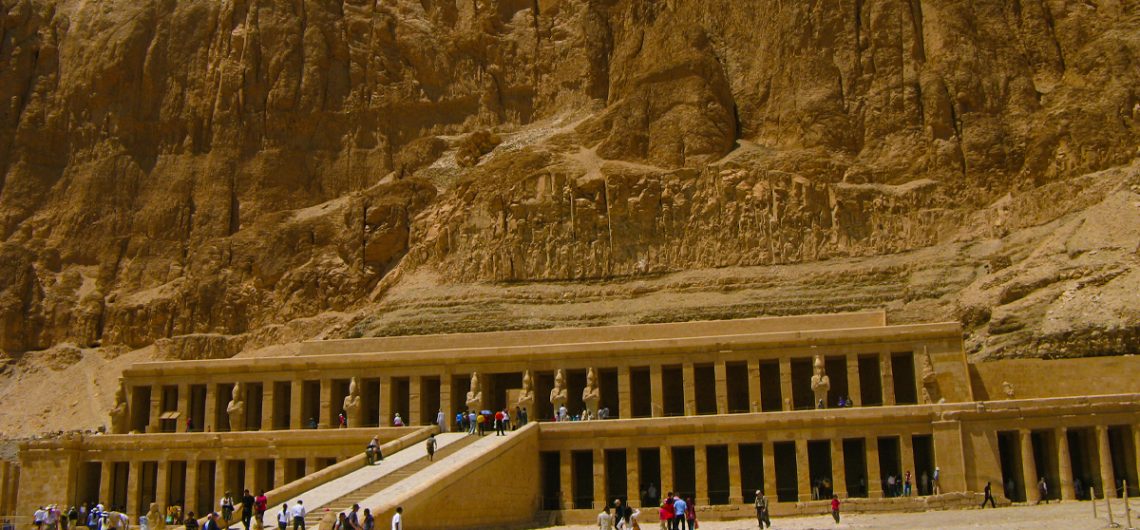
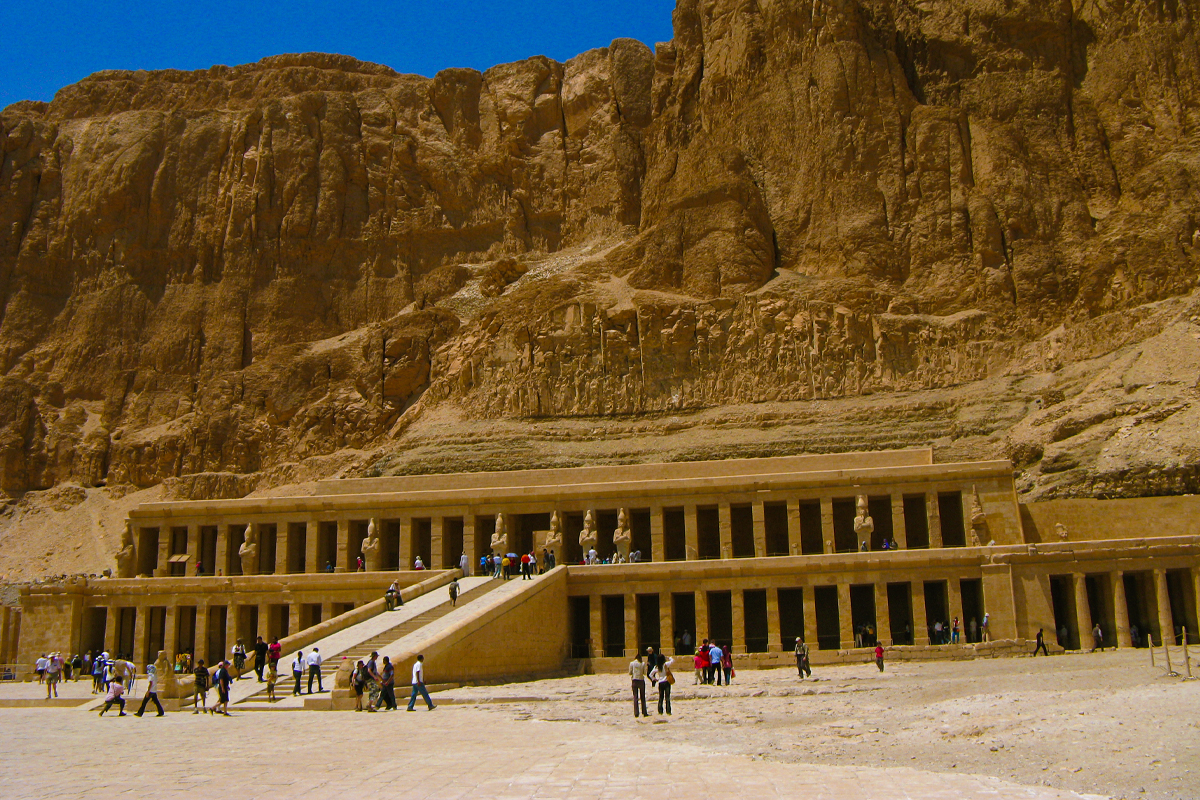
Next, visit the Temple of Hatshepsut, an elegant mortuary temple built for Egypt’s most powerful queen. Its striking terraces rise against the desert cliffs and offer a stunning contrast to the fertile Nile plain below. Nearby, you can also see the Colossi of Memnon—two massive stone statues that have stood for millennia.

These West Bank sites provide deep insight into ancient Egyptian funerary customs, artistry, and beliefs about the afterlife. After a full day of exploration, return to your cruise ship for a farewell dinner. The memories from your journey through time and culture will stay with you long after your Nile Cruise Itinerary ends.

Day 7: Disembarkation and Departure from Luxor

Your final day marks the conclusion of your Nile Cruise Itinerary. After breakfast, you will disembark in Luxor. Depending on your travel plans, you may choose additional touring options, such as visiting local museums, shopping for souvenirs, or exploring more of Luxor’s vibrant markets and cafes.

This final morning offers a moment to reflect on the incredible journey along the Nile—the temples, the landscapes, the river life, and the stories of ancient civilizations. With Egypt Via Travel’s careful planning and expert guidance, your Nile cruise leaves you with not just memories but a deeper understanding of Egypt’s heart and history.

Final Thoughts – Making the Most of Your Nile Cruise

A Nile Cruise Itinerary is more than just a travel plan—it is a pathway through time, culture, and natural beauty. From Luxor’s temples to Aswan’s islands, from Kom Ombo’s twin sanctuaries to the monumental sites of Abu Simbel, this journey offers a rich tapestry of experiences. Whether you are a solo traveler, a couple, or a family, this itinerary has something meaningful for everyone.

To ensure your trip is smooth, enriching, and tailored to your interests, Egypt Via Travel stands ready to support you with expert advice, reliable logistics, and personalized service. By focusing on what matters most to travelers, we help make your Nile cruise not just a vacation but a treasured chapter in your life’s journey. Enjoy your exploration of the River Nile and all the wonders it reveals.